
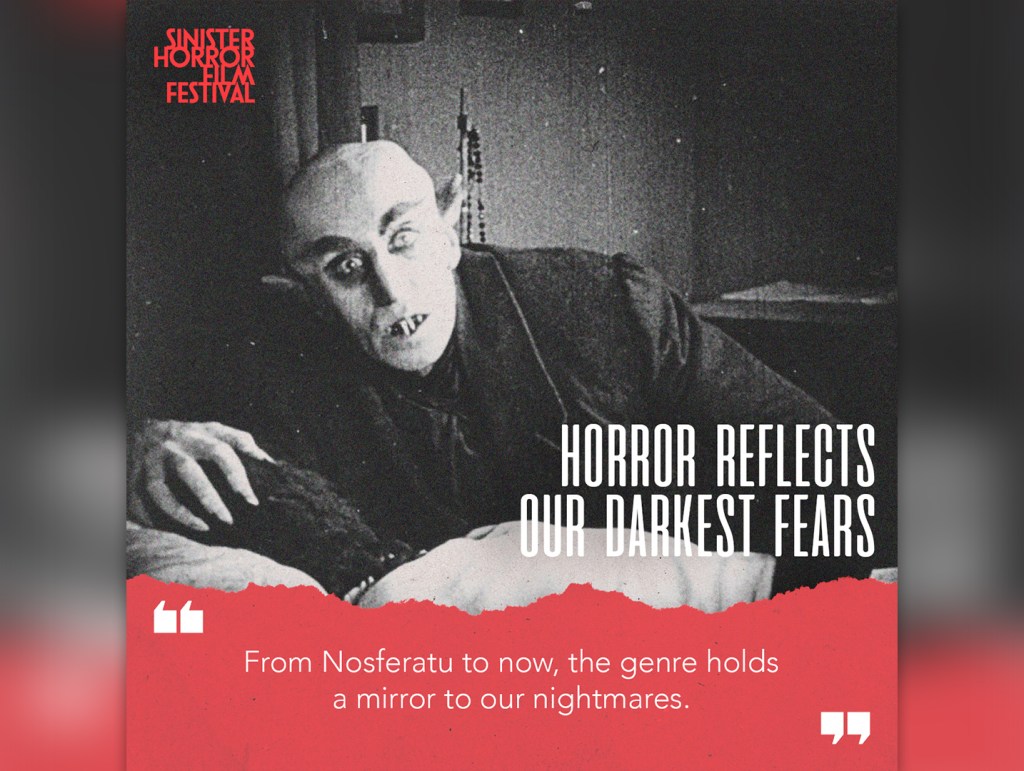
Horror is not merely a genre—it’s a cultural force that transcends time and place, continually shaping and reflecting society’s deepest fears. From its origins in the silent era to the present day, horror films have been a medium for exploring humanity’s most primal anxieties: death, disease, and the unknown.
The very first horror films, such as Nosferatu (1922), were more than just tools of entertainment; they were a reflection of the era’s collective fears. Directed by F.W. Murnau, Nosferatu became a chilling portrayal of death and the supernatural, drawing from the widespread terror surrounding disease and the devastation of war in post-World War I Germany. This early film’s unsettling visuals and eerie atmosphere laid the foundation for a genre that would evolve into a powerful cultural mirror.
Fast forward to today, and the genre continues to evolve, adapting to our changing fears while maintaining its dark, provocative power. From psychological thrillers to supernatural hauntings, horror films push boundaries and challenge societal norms, giving voice to the anxieties we often prefer to keep hidden.
At Sinister Horror Film Festival, we celebrate this genre’s ability to provoke, disturb, and transform. Horror’s persistent presence in cinema serves as a reminder of how art can illuminate the darkest corners of the human psyche, offering viewers both catharsis and a reflection of their most unsettling concerns.
As we continue to explore this ever-evolving genre, we ask you: What’s the scariest film that has stayed with you?
Horror, as both an art form and a cultural phenomenon, will always be with us—ever-changing, but ever terrifying.
 sinisterfilmfest.com
Leave a comment