
Folklore has long painted black cats as omens of misfortune, companions of witches, and harbingers of the unknown. But what if their presence was more than just superstition? Where the Black Cat Sleeps delves into this eerie mythology, weaving a suspenseful tale that blends childhood fears, supernatural horror, and the unsettling power of the unseen.
Born from a simple morning observation and a cascade of what if…? questions, this screenplay marks a major milestone for its creator—his first feature-length work. Inspired by classic horror films like The Shining and The Exorcist, as well as the eerie storytelling of Robert Eggers and Ari Aster, the story crafts an atmosphere thick with dread, where the shadows hide more than just our fears.
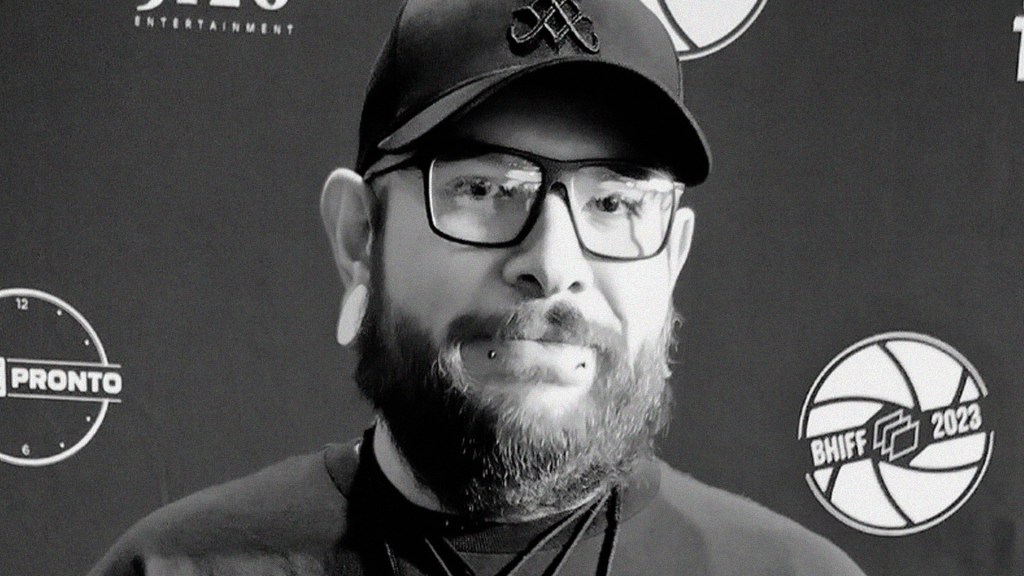
In this exclusive interview, we discuss the origins of Where the Black Cat Sleeps, its deep-rooted themes, and the journey of bringing such an unsettling vision to life. Prepare to step into a world where superstition meets reality, and where one black cat holds the key to something far more sinister.
What inspired the concept for Where the Black Cat Sleeps, and how did you develop its story?
A couple of years ago, I was having coffee with my girlfriend one morning, staring out of the kitchen window when we saw a stray black cat walking on the neighbor’s roof. Simultaneously, we both said, “I wonder where the black cat sleeps?” We came up with a mystical and mysterious background for the cat as we watched it. Then, it just turned into a bunch of “what if…” questions that snowballed into the story.
What themes or ideas are central to the screenplay, and what message do you hope to convey through it?
This is a boogeyman type of story. I did research on the boogeyman and found stories where it is said that the boogeyman is attracted to places with turmoil. Many of these stories also mention that the boogeyman or shadow man usually appears to children because they are innocent and more open to the spirit world.
I wanted to convey the message of not neglecting something or someone, not getting caught up in chaos and negativity, because when you do, you can lose sight of the important things and people in your life.
Could you share some of the challenges or breakthroughs you experienced during the writing process?
The biggest challenge I faced while writing this screenplay was simply writing it. I started with short screenplays, and Where the Black Cat Sleeps is my first feature-length screenplay. Writing 110 pages was a fun challenge for me.
Breakthroughs came during the rewrites and editing process. I realized that some of the original scenes I had written were pointless to the progression of the story, so refining those elements made the script stronger.
The title is intriguing. How does the motif of the black cat tie into the story, and what does it symbolize?
The black cat has always been seen as a cohort of witches and evil spirits. I wanted to play on those superstitions and tell a scary story. In folklore, it is said that an evil or dark entity will approach you in a form most comfortable or appealing to you. The character of Josephine, the young girl in my story, dreams of becoming a veterinarian—so a cat would naturally be appealing to her.
What was your approach to crafting suspense and horror in this screenplay?
My goal was to mimic the movies I love watching—The Shining, The Exorcist, The Texas Chainsaw Massacre. I wanted to replicate the feeling you get when you’re put in a moment that is unsettling, uncomfortable, or heavy. That feeling when you’re watching a suspenseful scene and forget to breathe—that is what I wanted to try to create while writing Where the Black Cat Sleeps.
Are there any specific influences—films, writers, or personal experiences—that shaped the creation of Where the Black Cat Sleeps?
This story was influenced by The Witch, Hereditary, The Lighthouse, Lamb, and, of course, the folklore of black cats being associated with witchcraft and dark entities. I really love the occult history of black cats and how people saw them—and still see them—as bad omens or signs of a dark presence. I wanted to play with that deep history of superstition.
Robert Eggers, Ari Aster, and H.P. Lovecraft are some of the biggest influences on my writing. The way they write and tell their stories is incredible, and I wanted to emulate them in a way—paying homage to their work while keeping my own originality.
What are your aspirations for this screenplay? Are there any steps underway to bring it to life on screen?
My ultimate aspiration is to put this screenplay into production and direct it. That would be awesome! Unfortunately, no steps are being taken to start that process right now, but hopefully, in the near future, I can get the wheels turning on it.
Getting the interest of a production company would also be great.
Lastly, we’d love to include ways for readers to follow your journey. Could you share how people can connect with you on social media or via other platforms?
Readers can connect with me on my Instagram page: @bright_sun_studio.
 sinisterfilmfest.com
Leave a comment