
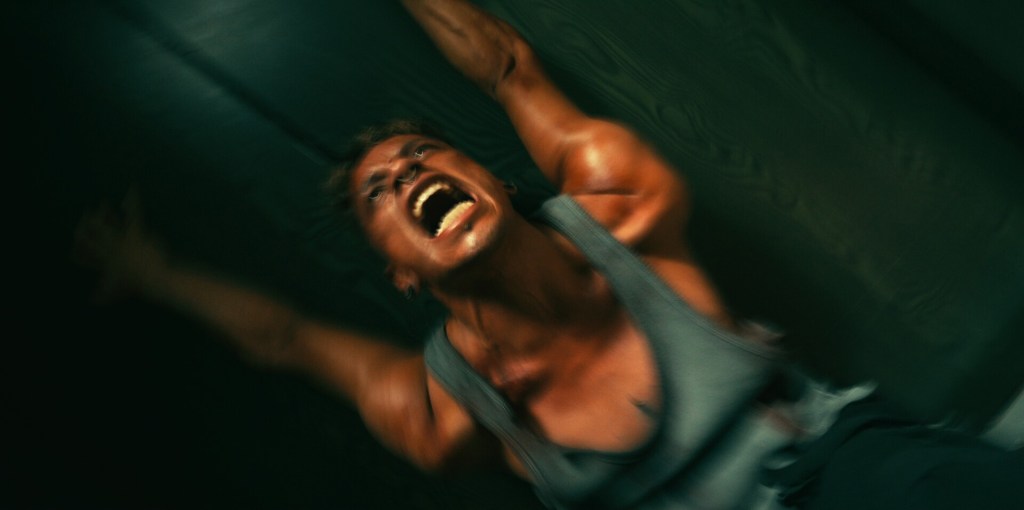
The Walls of Horror is not your typical horror short. With its chilling atmosphere, unsettling visuals, and emotionally charged narrative, the film explores themes of grief, vengeance, and the dangers of unchecked emotions through the lens of black magic. Behind this gripping story is Rosaicela Enríquez, a director whose passion for crafting authentic and immersive horror stories led her to explore uncharted emotional and supernatural territories.
In this interview, Rosaicela discusses how a haunting scene from Suspiria (2018) sparked the initial idea for The Walls of Horror, and how a journey through Mexico City’s Mercado de Sonora inspired the authenticity of the film’s mystical elements. She also shares the challenges of finding the right performer for the contortionist role—an endeavor that led her to discover a hidden gem among street performers just days before production began.
Join us as Rosaicela takes us behind the scenes of The Walls of Horror, offering insights into her creative process, the emotional depth she hopes to evoke in audiences, and a glimpse into her next body-horror project that promises to push boundaries even further.
1. What inspired the creation of The Walls of Horror?
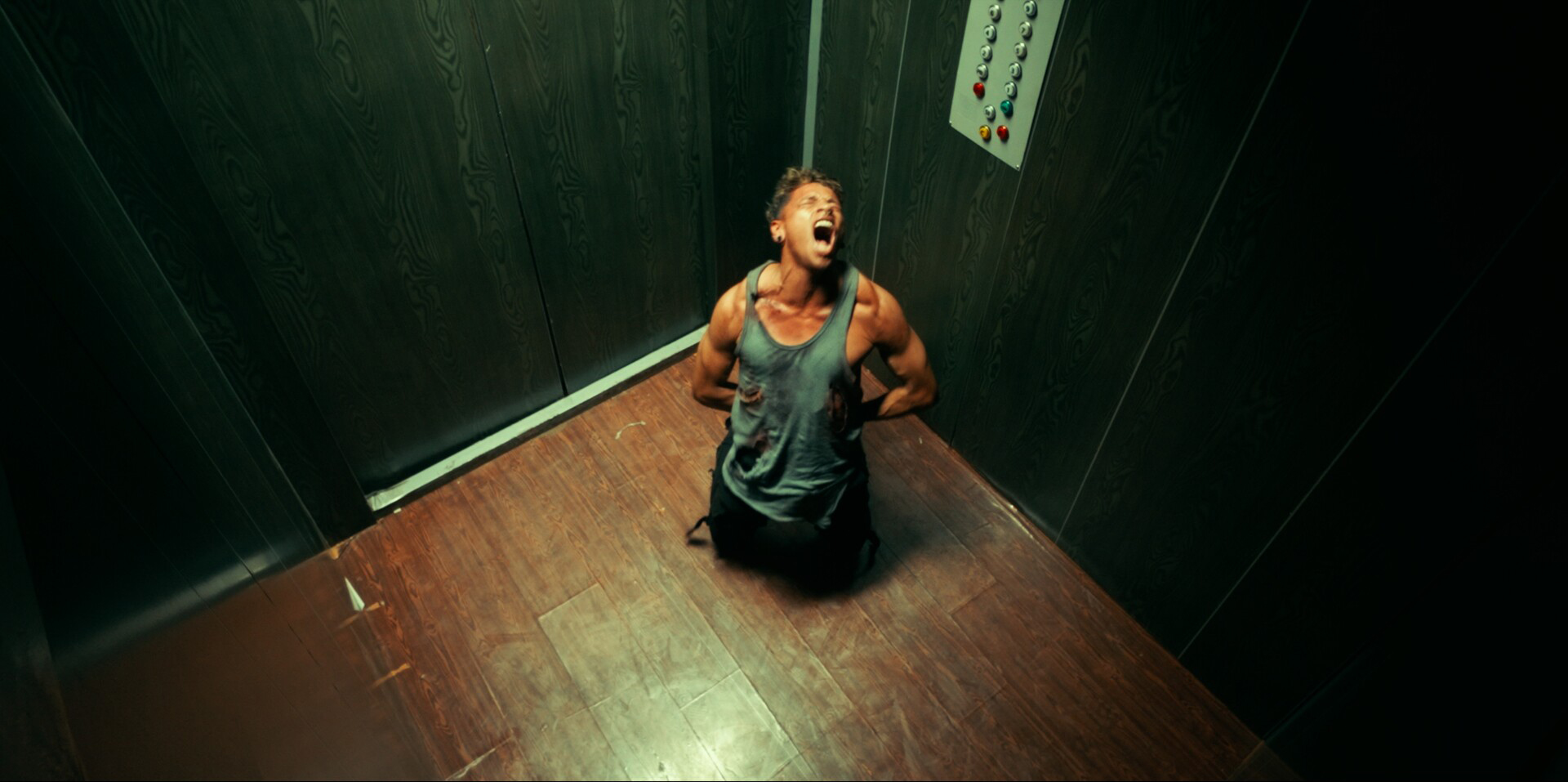
Honestly, the idea came to me after watching Suspiria (2018) by Luca Guadagnino. There’s this unforgettable scene where Suzy is dancing, and every move she makes is mirrored in another character’s body, causing it to contort and deform. It was so unsettling and captivating. That concept stuck with me—the idea of someone losing control over their own body because of forces beyond their understanding. I wanted to explore that feeling, but in a confined and intense setting like an elevator, where the character is completely isolated, feeling trapped, powerless, and at the mercy of something you can’t see or fight back against.
2. Can you talk about the themes you wanted to explore in the film and what drew you to them?
I wanted to explore the theme of grief from a different perspective: through black magic. Grief is such a universal experience, and people cope with it in countless ways. In this story, I wanted to push the boundaries by portraying a mother’s inability to forgive the man responsible for her daughter’s death. Her pain and loss are so overwhelming that she turns to vengeance as her only solace. The story also touches on the dangers of alcoholism, specifically the devastating consequences of drinking and driving. It’s a harsh reality that so many lives are lost due to this reckless behavior, and I felt it was important to highlight that. I was drawn to these themes because they highlight how unchecked emotions, like guilt and sorrow, can push someone to extremes.
3. What was your creative process like when bringing this story to life?
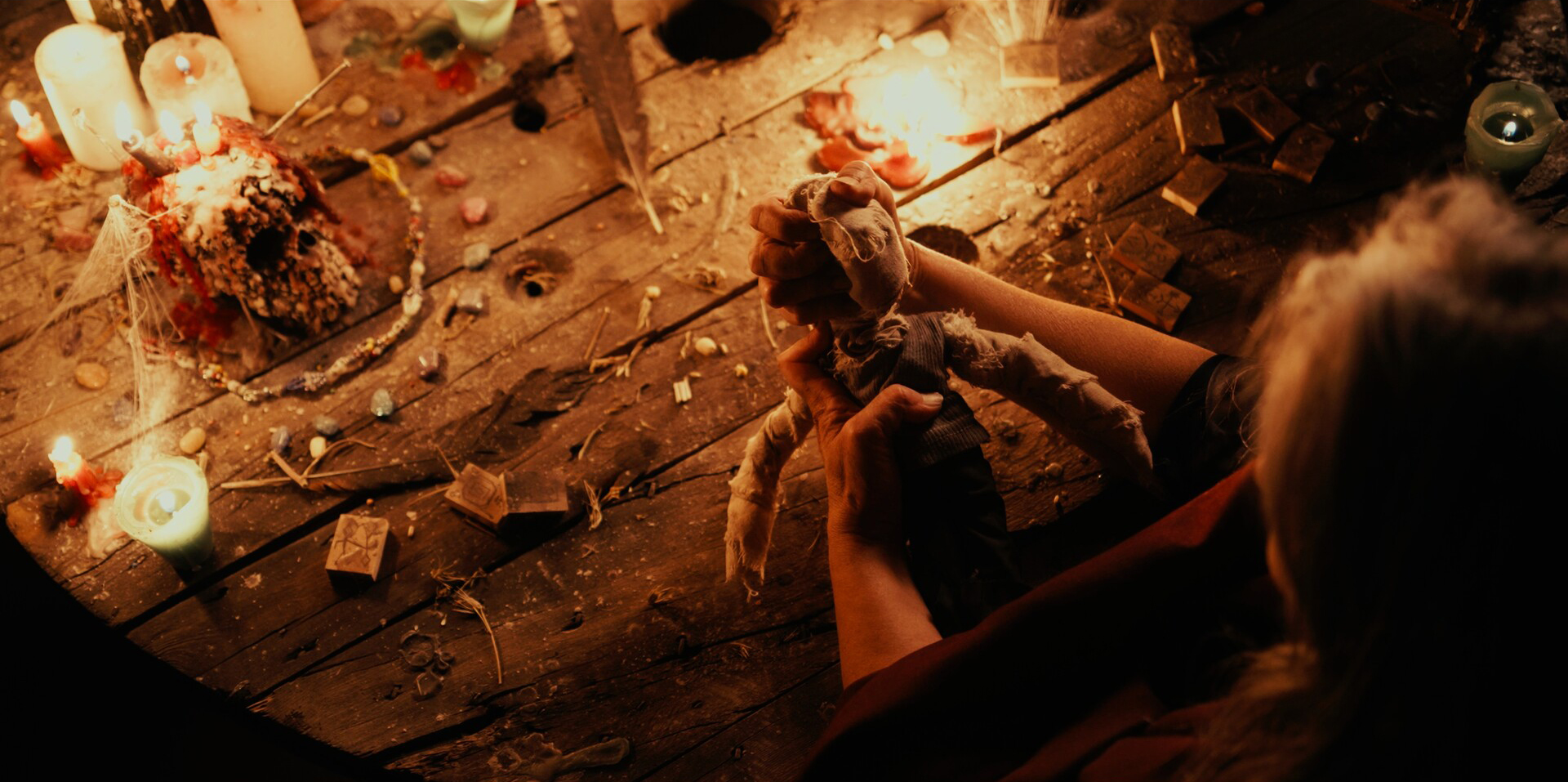
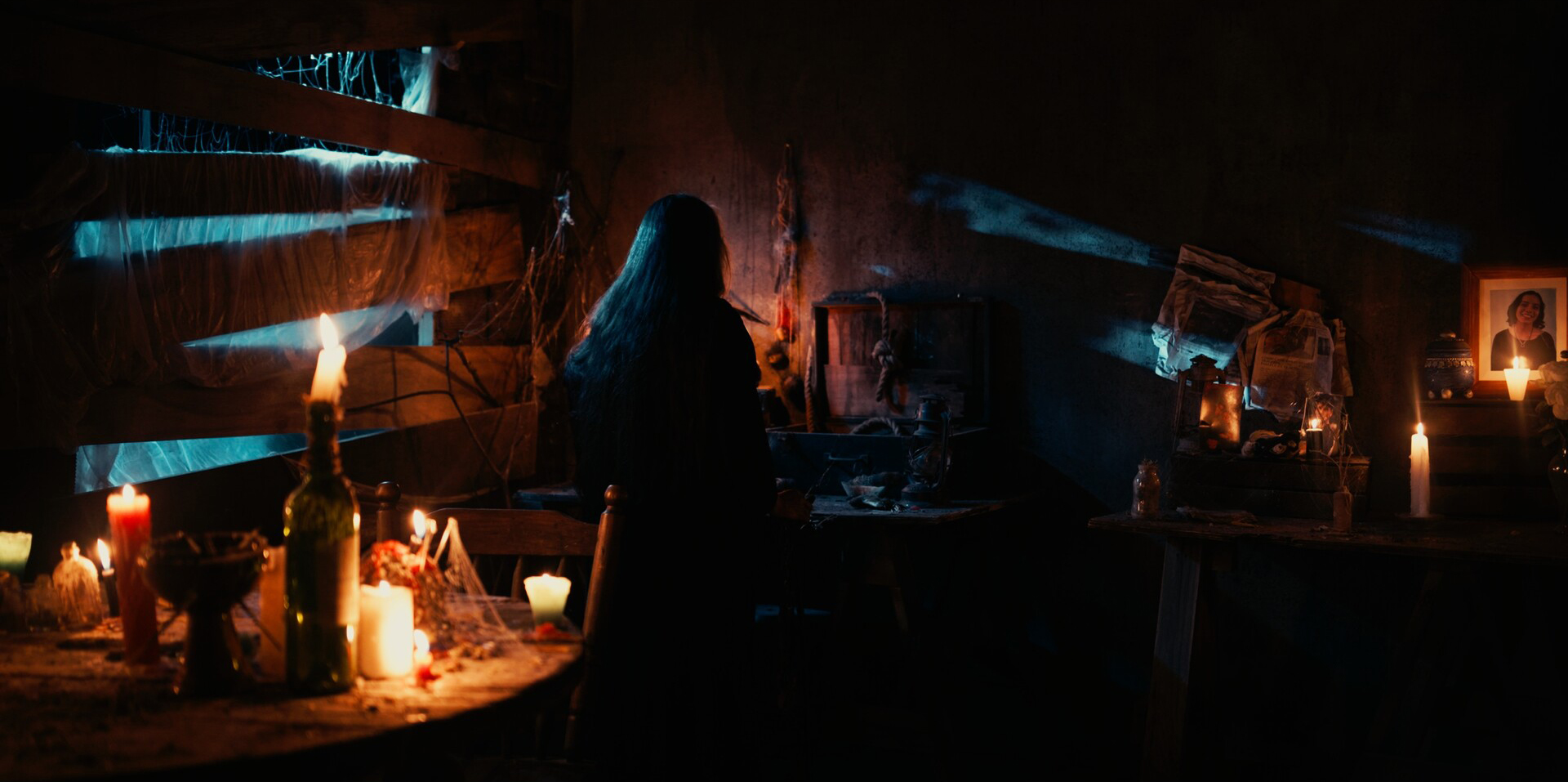
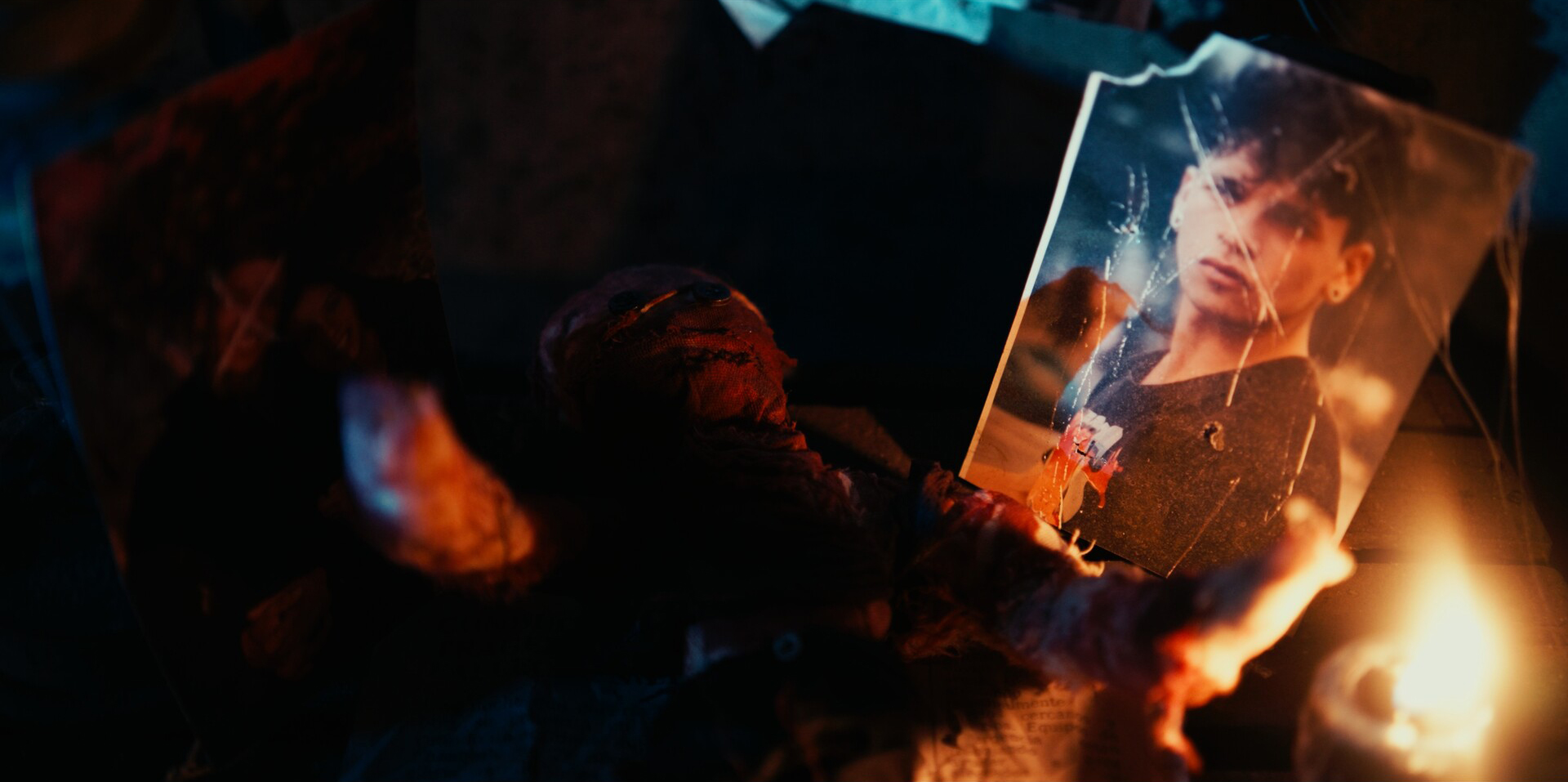
Bringing The Walls of Horror to life required thorough research, particularly into the elements of black magic. To ensure authenticity, we visited the Mercado de Sonora, a famous market known for its mystical and spiritual items. However, some items couldn’t be sourced, so we had to get creative and craft several elements ourselves. The lighting design was another crucial aspect. We carefully planned the illumination for each set to create contrasts that highlighted the mood and enhanced the eerie atmosphere. Directing the actors was also key, as I wanted their performances to be raw and authentic. I encouraged improvisation during rehearsals to help the actors explore and bring out new aspects of their characters that weren’t originally in the script.
4. Were there any challenges you faced during the production of the short film? How did you overcome them?
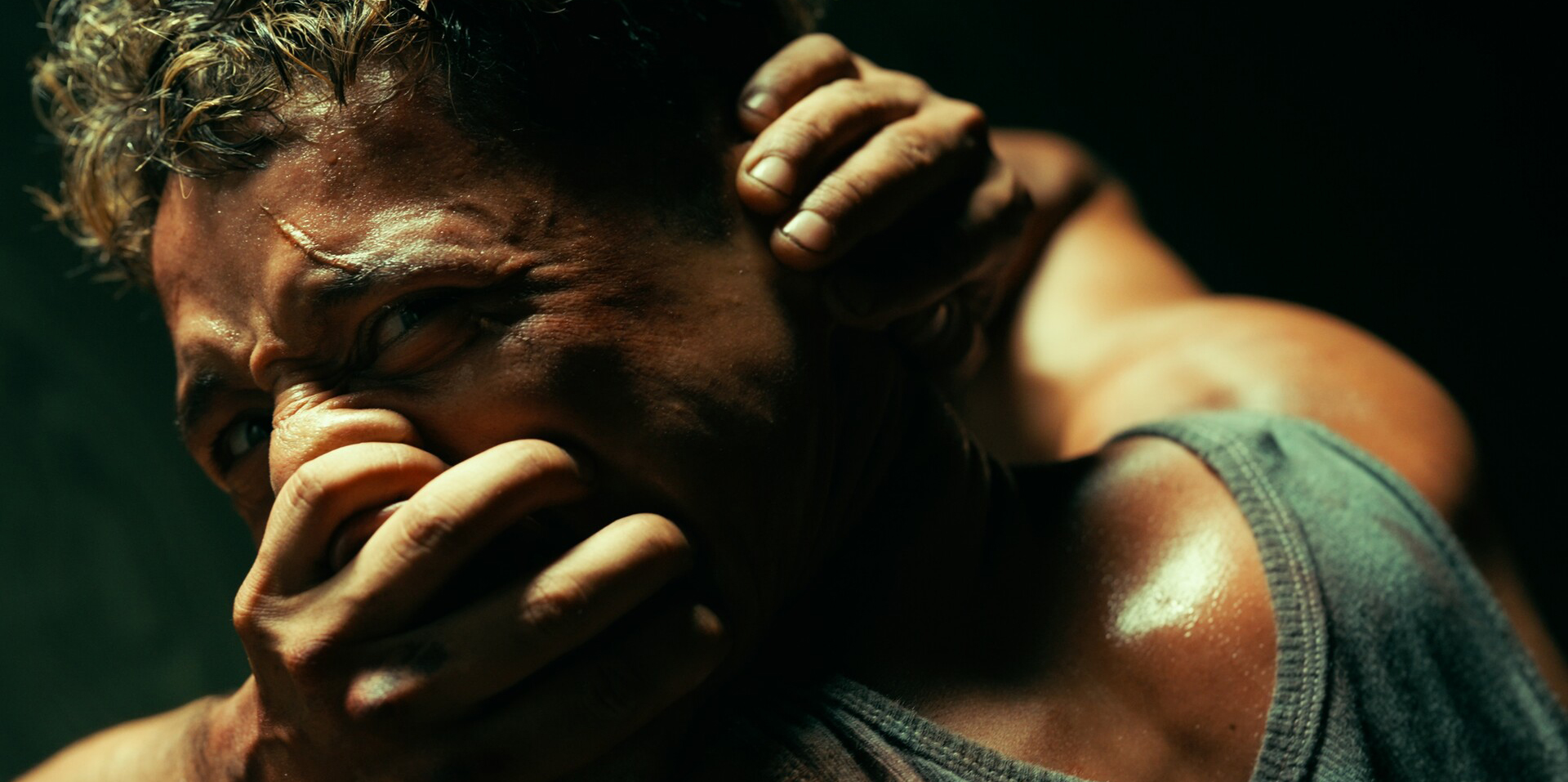
Yes, there were several challenges, but the biggest one was finding the right actor who could deliver the specific movements we needed. The role required a high level of flexibility, and ideally, a contortionist. We went through a detailed selection process, but it was incredibly difficult to find someone who fit the profile. We even posted casting calls in circus performer groups to see if anyone with the required skills was available. However, as the shoot date approached, just two or three days before production, we still didn’t have an actor. The sets were ready, everything was in place, but we were missing this critical piece. I was adamant about not using prosthetics because I wanted the movements to feel as real and visceral as possible. As a last resort, we decided to search among street performers, and that’s where we found Jair, a talented contortionist. He was perfect for the role and agreed to join the project at the last minute, which saved the production.
5. The Walls of Horror feels deeply connected to its audience—how do you hope viewers respond to it?
I hope The Walls of Horror resonates with viewers on a deeper emotional level. I want the audience to not only feel the suspense and fear but also reflect on the underlying human emotions and moral questions the film explores. If viewers leave the film questioning how they would handle such pain or vengeance, or even empathizing with the characters despite their actions, then I feel the film has achieved its purpose.
6. Could you share any behind-the-scenes moments or anecdotes from making the film?
There were several memorable moments, but the ones that have stayed with me the most are the late nights and long days working with the art department to build the sets. From adding vinyl to the elevator to creating a set that resembled a cabin, those were such enjoyable days, filled with laughter and singing. We practically lived on the sets, working from 9 a.m. until nightfall. Another unforgettable experience was during the camera tests. No one was fully prepared for the range of movements the actor brought to the scenes, and seeing my crew’s reactions was both a huge motivation and exactly the type of response I had hoped for.
7. Are there other projects or ideas you’re working on that you’d like to share with our readers?
I’m currently working on a psychological body horror story inspired by the concept of trypophobia. The narrative revolves around a protagonist whose body begins to transform in ways that evoke terror, exploring the unsettling interplay between the human body and nature. Set in a secluded cabin surrounded by a mysterious forest, the story delves into themes of isolation, vulnerability, and the primal fears hidden in everyday textures and patterns. It’s an exploration of how something so natural can become profoundly disturbing.
Social Media Links:
• Instagram: @enriqrosa
• Facebook: Rosa Enriquez
 sinisterfilmfest.com
Leave a comment