
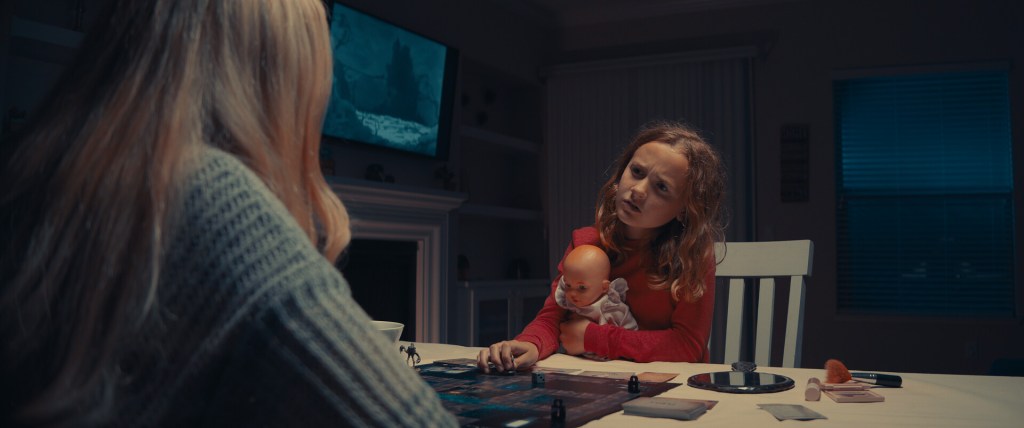
In You’re on Your Own, Kid, horror is not just in the shadows—it’s in the memory. With a bold mix of personal trauma and genre filmmaking, the mind behind this viral psychological short (now with over 50k views on Deformed Lunchbox) opens up about childhood fears, DIY filmmaking, and the terrifying power of the human mind. In this interview, we dive into how his real-life past shaped a chilling story, the making of nightmare closets in his garage, and what audiences can expect from his next twisted tale: Zander. This is horror with heart—and pain.
1. Psychological horror often delves into the mind and emotions. How do you approach creating this kind of atmosphere in your films?
I honestly extract from my own personal experiences and emotions I’ve felt. For You’re on Your Own, Kid those emotions were loneliness, anxiety, the mindset of living in an unpredictable home that looks normal but has some dark dark shadows.
2. What inspired the concept behind You’re on Your Own, Kid, and what did you aim to convey through its narrative?
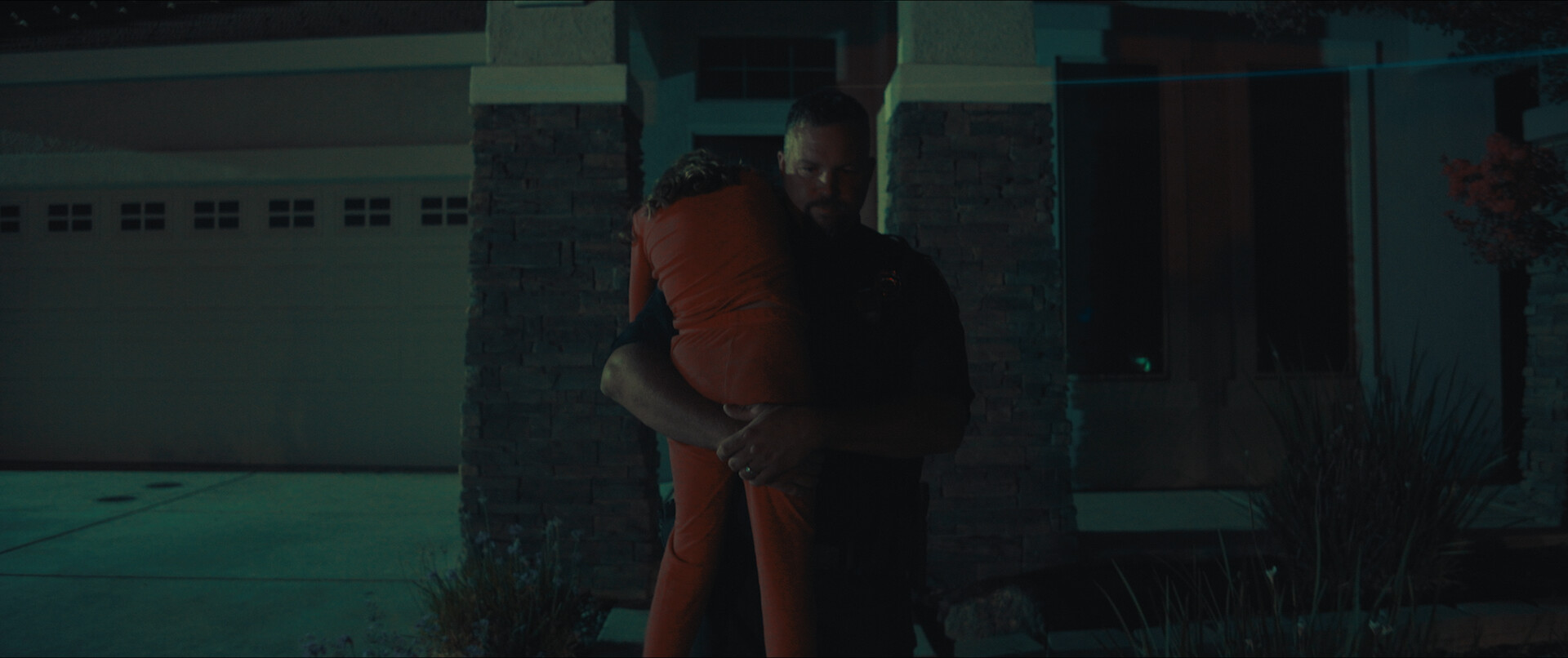
The film was inspired by my chaotic childhood. I was raised to believe my mom was the good person in my life and the police kicking down our doors were the bad guys, when the entire time she was the bipolar drug-dealing maniac putting me through a lot of trauma, sometimes physical pain. This film was very personal and was the best way to express my childhood in a digestible horror format for fellow horror fans. I wanted to convey true life horrors but stay away from Lifetime movies that made me yawn growing up, but more in the Nightmare on Elm Street way that excited me.
3. With You’re on Your Own, Kid reaching over 50k views on Deformed Lunchbox, what has the reception taught you about your audience and their connection to psychological horror?
I can’t thank Pete Harch from Deformed Lunchbox enough for the support he’s given me throughout the lifetime of this film. Since it was in the early stages of the edit Pete has been extremely supportive of the film and has really championed my work. Deformed Lunchbox puts lesser-known horror filmmakers on and is most popular from their short film Make Me a Sandwich, which has amassed millions of streams on YouTube alone. This process has taught me to be confident in my ideas and to lean into them as opposed to throwing out things that there could potentially be an audience for.
4. Could you share some of the challenges you faced while creating You’re on Your Own, Kid and how they shaped your filmmaking process?
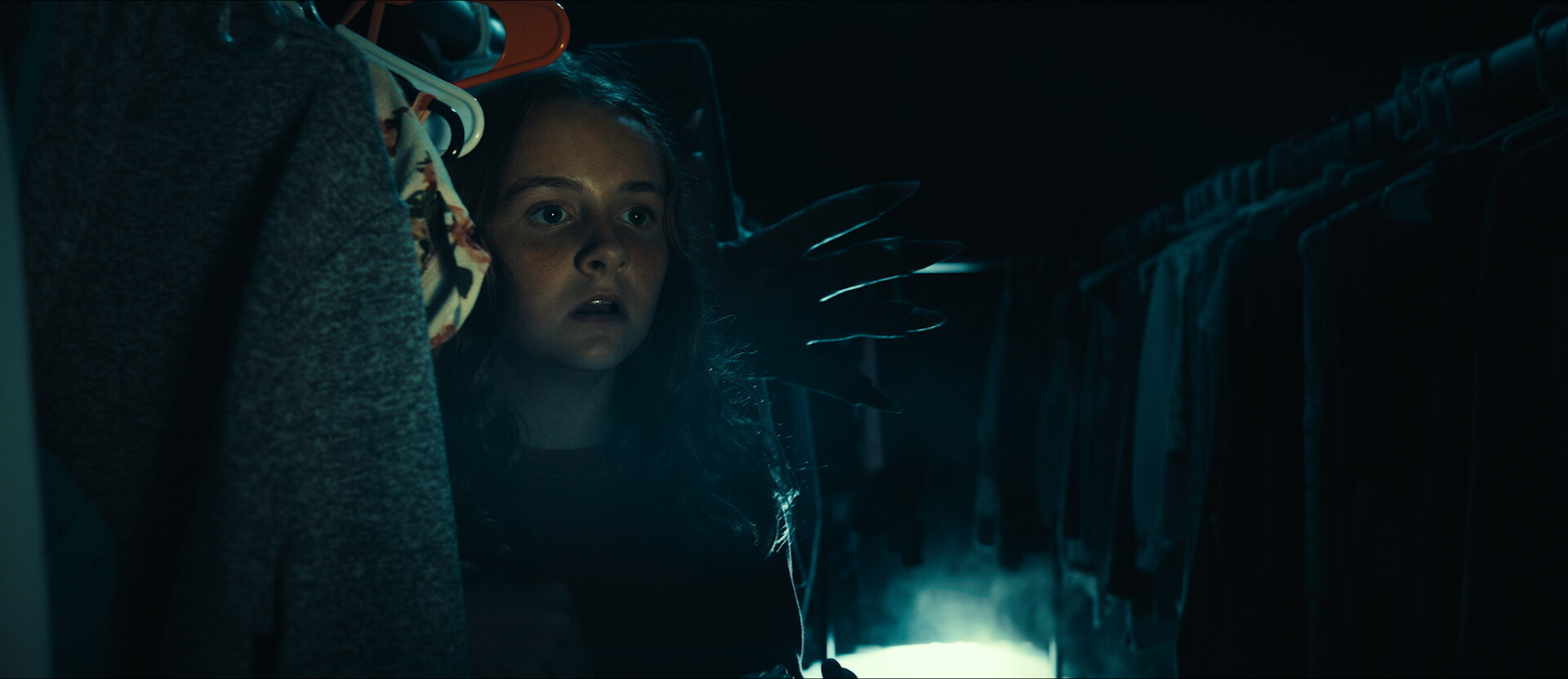
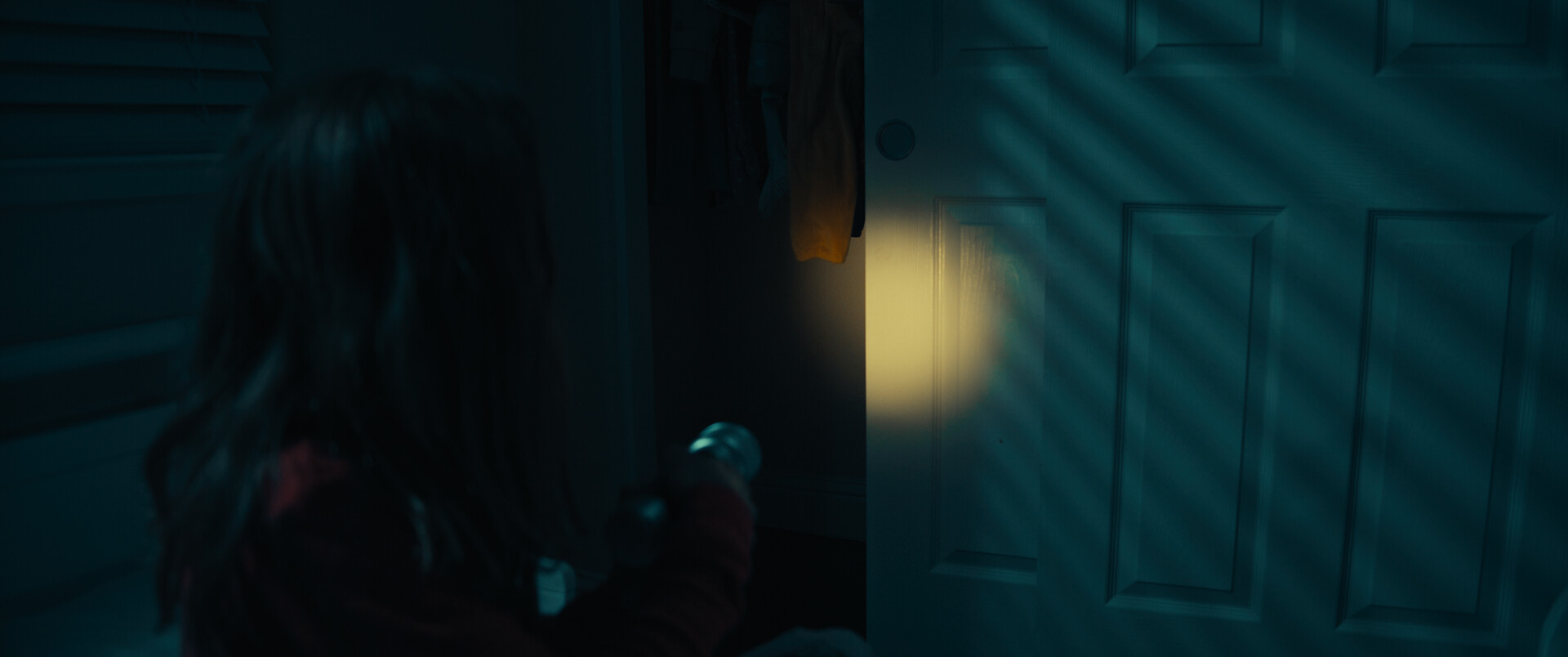
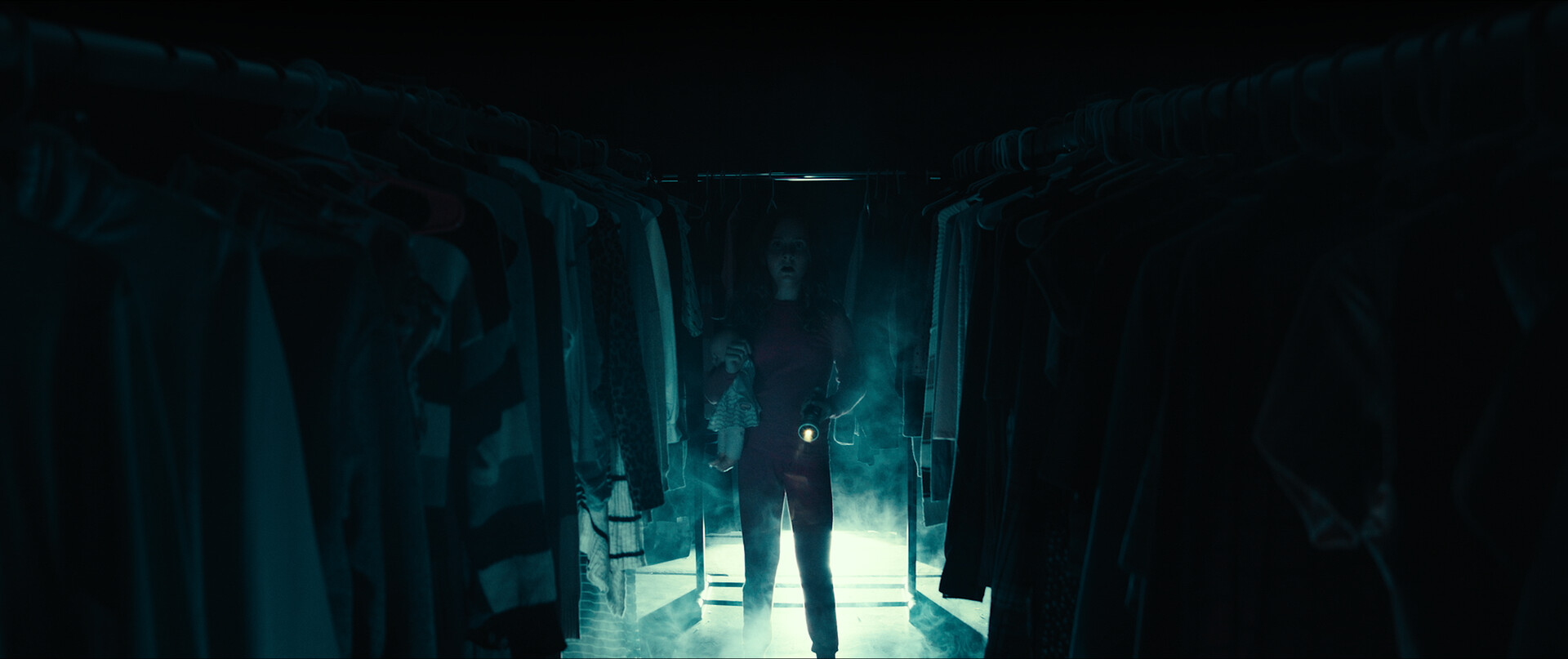
There were immense challenges as a working father of young kids and of course convincing your significant other this was worth the time and money. Not only was I having to kick them out of our house so we could film, I was rearranging furniture, and building the nightmare closet set in our garage with all of our clothes from the house. It was nuts! I also decided to DP the film on my own and I am still very much a learning DP, but that would cut down costs and scheduling by not hiring others. I wore tons of hats on this film and it was an incredible learning experience.
5. Your upcoming film Zander also falls under psychological horror. Without giving too much away, what can audiences expect from it, and how does it differ from your previous work?
Audiences can expect a more adult-oriented horror experience. The theme is very aimed at an adult dilemma while it is still very personal and polarizing of a topic. It’s still a fun scary film though and I also toyed around with some comedic and contrasting upbeat elements in an early scene of the film. This one is more Wes Craven feeling I would say, a lot of people say it reminds them of a late 90s horror film.
6. Who or what are your biggest influences in psychological horror, and how have they shaped your storytelling?
Early M. Night Shyamalan films take the cake as far as inspiration on story. I never intended to delve into psychological horror themes but weirdly enough Steven Spielberg’s Jaws in my opinion is wildly a psych horror film. This is because you never see the shark. The movie persuades you into being scared of water, a barrel in the water, waves, and a very simple 2-note score!
7. What do you think sets psychological horror apart from other subgenres, and why do you think it resonates so strongly with audiences?
I think what is so fun about the genre is that you can do almost anything if it’s in the mind of your subject and we are seeing the world through their eyes. I think people resonate with it strongly because it’s something very realistic, our minds. It’s typically not supernatural and it’s not Jason Voorhees, it’s our own minds against us.
 sinisterfilmfest.com
Leave a comment