
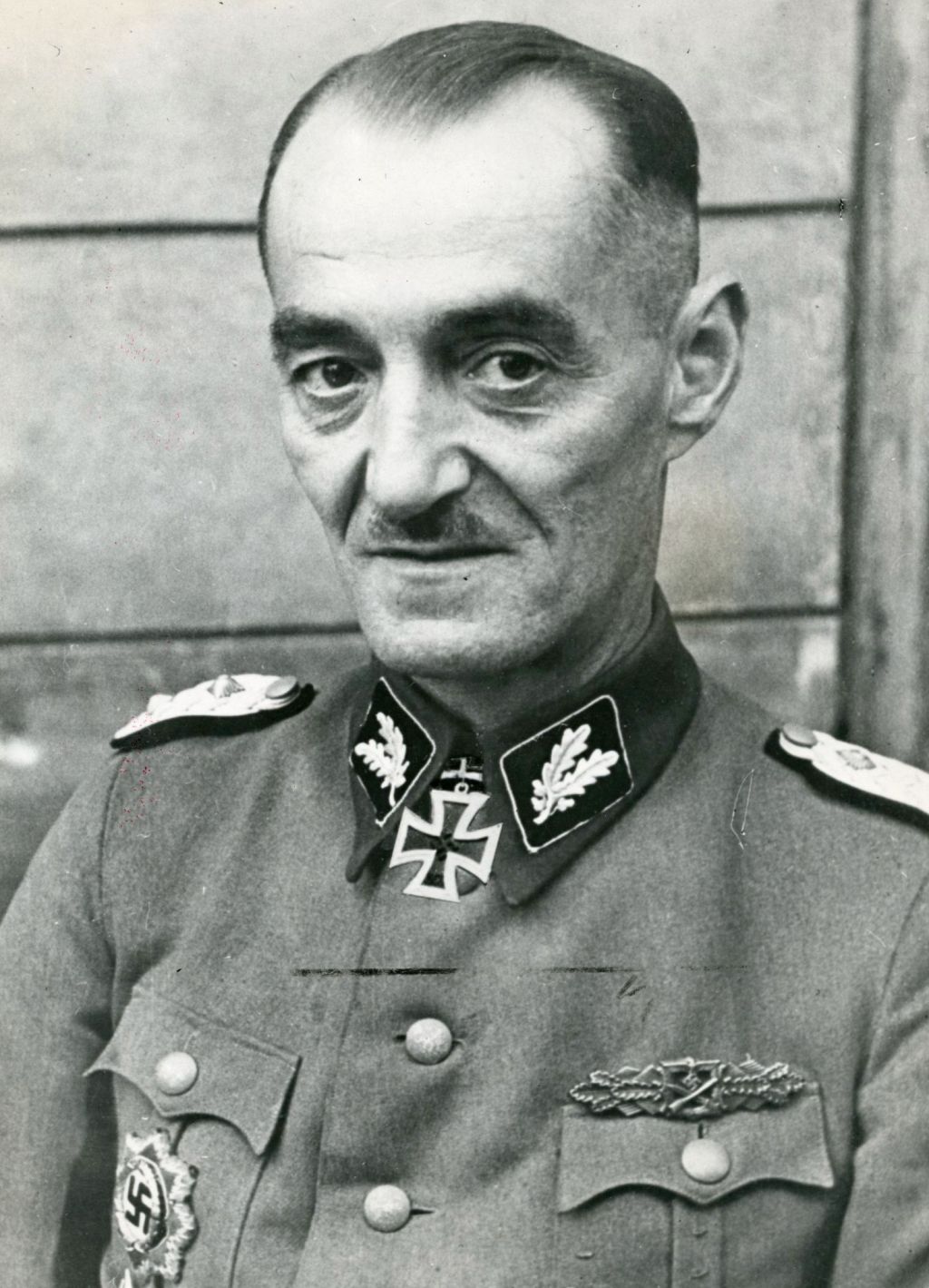
Oskar: Lucifer Hides in Plain Sight was completed in just four weeks, which is remarkable! Can you walk us through the process and what made this screenplay so unique compared to others you’ve written?
I have written a dozen screenplays in the past five years and several television pilots. They have all involved a certain amount of pain and emotional metamorphosis. Although I produced hundreds of documentaries and history programs during my career, I started taking screenwriting seriously after I retired and when the pandemic hit when I was 64. I had no more excuses, and my muse was screaming at me to start writing screenplays. It did help to have over 60 years of life experience to draw from. “Oskar” was my latest screenplay and the easiest one to write. It took less than a month to complete and it almost wrote itself. I think the secret to the ease of writing this screenplay is discovering a great subject as my featured character, a real person, who was a Nazi war criminal named Oskar Dirlewanger. Oskar was an SS Colonel who oversaw the Dirlewanger brigade, made up of sexual deviants and criminals who operated in the Warsaw Ghetto and in Belarus, Russia. They were responsible for slaughtering over 100,000 civilians and their exploits in Belarus were featured in the 1985 Russian film “Come and See.” Even the SS feared Colonel Oskar Dirlewanger, an alcoholic sexual deviant who enjoyed sex with men, women, and children. He enjoyed a certain fetish of killing his rape victims during the sex act in order for him to achieve an orgasm. Since it was wartime and his job was to punish enemy civilians, it was a perfect situation for him to practice his deviant behavior. He makes Caligula look like a choir boy. He is considered the most decadent and evil person who ever walked the earth. Just check out this link to this article below.
I learned about Oskar while watching a World War II documentary and I thought to myself, this man would make a great character in a horror film. His entire life was a series of horrific incidents and atrocities against other human beings. My challenge was making this man likable. I decided to give him a dark sense of humor, and I must admit, I laughed out loud at some of things I had him say.
The screenplay begins in the small Northern California town of Redding. It takes place in 1960 where sixteen-year-old Oliver Cosimo lives with his mother and sister. His Father was an Air Force pilot who died in a plane crash when he was twelve. Oliver and his best friend David are typical adolescent teenagers. They are two virgins who are in an unofficial contest with each other to see who loses their virginity first. They ride their bicycles around the city to get around and deliver their paper routes. They are both anxious to get a car, but they don’t have any financial resources, so they go to work for Oscar Dierling, an eccentric sixty-year-old man who lives alone in a historic mansion in Redding. The local kids refer to Oscar as Count Dracula because of his haunting appearance. Oscar Dierling is actually Nazi war criminal Oskar Dirlewanger, who is hiding in plain sight in Redding, pretending to be a retired British Army officer. Oskar is a master of all European languages and mimicry and can easily duplicate a British accent. Although Oskar has a history of murder and sexually deviant behavior, he is trying to put his past behind him. Since the war ended, he has not killed anyone and is practicing a pious life of sobriety and celibacy for the last fifteen years. Living a lonely life of isolation, Oskar genuinely develops a friendship with David and Oliver. Both David and Oliver plan a career in the armed services and Oskar relates to their military ambitions. Oliver wants to be a pilot like his father and David wants to join the Navy to get away from his physically abusive stepfather. Oskar decides to help them and sets up a scholarship fund for Oliver. At one point in the script, we find out Oskar is more than just a war criminal, he is an immortal who is actually seven hundred years old. Immortals are no different than other humans in terms of their nature, they just have accelerated healing powers and cannot get sick. Normal humans have primitive healing powers, and it can take months for a broken bone to heal. Immortals are genetic freaks, and the healing process is accelerated so it only takes a few minutes to heal from a broken bone or other injuries. They can even die, and their self- healing powers allow them to come back to life.
Oskar has a relapse and starts drinking again and ends up killing David. He must cover up his crime, so he uses his mimicry skills and calls Oliver and David’s Mother and talks to them in David’s voice and convinces them that David has run away to join the Merchant Marines. Knowing that he only has a few weeks before they discover that David is missing, Oskar makes plans to leave Redding for good. During that time Oliver discovers that Oskar is an immortal and has killed his friend David. Oliver steals a 16mm film of Oskar killing one of his victims that he filmed during the war and decides to turn Oskar in. Oskar realizes one of the films is missing and gets in his car and runs over Oliver and kills him. Oskar throws his body in a ditch and assumes people will think a drunk driver killed Oliver and fled. This is when the plot twist happens. A few hours after Oliver lies dead in a ditch he slowly comes back to life and heals himself. He discovers for the first time in his short life that he is also an immortal. He decides to kill Oskar and returns to the house with a shotgun and shots Oskar dead, which gives Oliver several minutes to tie Oskar up before he comes back to life. Oskar is shocked to see Oliver alive and realizes that Oliver is also an immortal. Killing an immortal is almost impossible, unless you cut them up into small pieces and bury the body parts separately. That’s what Oliver attempts to do with Oskar, and that’s when the real horror in the story begins.
Aspiring screenwriters face numerous challenges. What were some of the struggles you faced early in your career, and how did you overcome them?
My biggest issue is I started seriously pursuing my screenwriting career when I was 64 years old. I think in some ways it was helpful to be in my sixties, in that I could bring a wealth of life experience to telling an entertaining story. I have written approximately a dozen screenplays and seven of them have won multiple international screenwriting awards. Oskar has won a first-place award in one horror contest and was a finalist in another, as well as being accepted in the Sinister festival. Age is not a factor when you enter a contest. However, I have not found an agent yet, and I don’t want to die of old age before I sell my first screenplay. I’ve worked in libraries for 30 years, 20 years for a library operating an educational cable channel producing historical documentaries. Most of the screenplays I have written are historical stories based on real people who lived in Colorado and the Pikes Peak region. I’m fortunate to be retired and able to focus most of my spare time on writing. That has been a real advantage. I spend around four hours a day writing. As Ray Bradbury once said, throw it up in the morning and clean it up in the afternoon. I’ve been lucky not to have a pause in my writing schedule and I’ve been writing for five continuous years. Writing is an isolated activity, and I have not collaborated with anyone on my projects. The nice thing about the vast network of contests is that you can at least get some feedback, and it rewards you if you win or are a finalist in a screenwriting competition.
Completing a screenplay can be a daunting task. How do you approach the creative process to keep yourself motivated and focused?
It is kind of like physical exercise on a regular basis. You need to force yourself to write at least a couple hours every day. I work out on a treadmill every day and it takes discipline and free time to commit to a schedule. I was never able to focus on writing while pursuing my fulltime career. I think it makes it easier to continue to write when you receive positive feedback in a contest. Certainly, an interview like this through the Sinister competition helps me feel my work is relevant. You take any kind of encouragement where you can get it, because there is always more negative feedback than positive. Rejection is something you always have to deal with, it keeps you humble and encourages you to work harder, but it is the unpleasant part of the writing experience.
Your career as a documentary video maker and historian is fascinating. How have these roles influenced your storytelling as a screenwriter?
I’ve always had an interest in history. Starting with the history of my mother’s family (Calvo and Lozano) and their immigration from Spain to Hawaii in 1908. They traveled on a steamship from Gibraltar to Honolulu to work as indentured servants cutting sugar cane. Around 10,000 poor Spanish peasants from 1907 to 1914 took advantage of the free steamship passage to Hawaii to work as indentured servants with the opportunity for United States citizenship. Both the Lozano and Calvo families eventually immigrated to California and became naturalized American Citizens. My grandfather Eugenio Calvo owned a small farm in Mountain View, California which he eventually sold for a small fortune in the 1960’s. Currently Mountain View, California doesn’t have a single acre of farmland and is now the headquarters for Google.
What themes or messages did you aim to explore in Oskar, and how do they reflect your overall vision as a storyteller?
I think the main theme In Oskar is loss of innocence. It begins with Oliver and his best friend David attempting to lose their virginity when they first meet Oskar. Oskar advises them, because of his experience from living 700 years, don’t be in such a hurry to lose your innocence, because once it’s gone you never get it back. In Oskar’s case he started out as a priest who tended to the sick victims of the plague during the Middle Ages. Since he was an immortal, which Oskar did not know at the time, he couldn’t catch the plague with his genetic self-healing powers. The first fifty years of his life he spent as a righteous man who served the sick and the poor. Once he discovered he was an immortal, his soul slowly became corrupt. As he confesses to Oliver. “I was a virgin until I was fifty and I didn’t kill anyone until I was 140 years old, hell I didn’t experiment with necrophilia until I was in my four hundreds.” The problem with being immortal is that it is impossible to maintain any innocence, and if you live long enough, you eventually try everything that is sexually available to you. Once Oliver finds out he is immortal, the challenge for him is having the self-discipline to live a long life as a righteous man. At the tender age of sixteen, he attempts to murder Oskar after he finds out Oskar killed his friend David. Oliver realizes if he gets married and has a family, he will have to watch his wife, and his children die of old age. Although the promise of living forever may seem an attractive proposition to most people, Oliver realizes the challenges could prove impossible to living a fulfilling life filled with love and surrounded by family.
The other theme to the screenplay is walking the tightrope between good and evil. When Oliver discovers Oskar has killed his friend David, he asks Oskar if he is the devil. Oscar gives him an answer based on his experience of 700 years of living.
OLIVER
Are you the devil?
Oscar starts to laugh.
OSCAR
I’ve lived long enough to know that the devil doesn’t exist. Have you ever studied the bible? Especially the book of Isaiah.
OLIVER
I was raised Catholic, but I just learned what I needed to know for catechism, when I was actually listening to the nuns.
OSCAR
Well, the book of Isaiah explains the source of good and evil in this world. It is pretty damn clear. Let me quote you from Isaiah 45:7, “I form the light and create darkness: I make peace and create evil: I the LORD do all these things.” Do you understand what that means?
OLIVER
God is the source of both good and evil.
OSCAR
Exactly right. So, you see there is no demon in this world, there is just God, and God when he is drunk. And when you consider all the wars that have happened already in the twentieth century, hundreds of millions of innocent people slaughtered, you can only assume that God is a raging alcoholic.
Looking back on your journey as a filmmaker and writer, what key lessons or moments stand out the most?
Listen to your muse and have the discipline to write every single day. I probably waited too long, not having a disciplined writing schedule until I retired at 64. Although I’m proud of what I have written, I keep thinking what might have been had I started in the thirties. 2025 is a good time to be a screenwriter, because there are so many streaming platforms that need new material. In terms of getting your work out there, there is literally hundreds of screenplay contests, and it is very easy to share your work as a PDF file through contest services like “Film Freeway” and “Coverfly.” Most contests are under $100 to enter and if you spend a little more money, you can get a valuable critique. If you have the discipline to write, the opportunity for getting exposure for good writing is unlimited. The challenge is finding quality representation, which I have not been able to do at this point. It is very difficult to sell a script unless you have WGA representation.
What projects are you currently working on, and what can we expect to see from you in the near future?
I am writing a sequel to “Oskar” titled “Oliver the Immortal.” I fell in love with all the characters in “Oskar” and I wanted to find out what choices they made in the future, especially Oliver, as he becomes a man and struggles with his immortality. It is not as much a horror screenplay as it is a redemption story as Oliver goes through his life and becomes a bomber pilot that is sent to Vietnam. He ends up being shot down and spends five years in the Hanoi Hilton as a prisoner of war. His experience during a war, as well as being an immortal, makes him skeptical about his future and having a family. He secretly gets a vasectomy and when his wife finds out she is furious, and they become separated. His life becomes a daily emotional struggle, and he makes some important decisions to help heal his soul.
Another screenplay I am writing is based on a real American football game that happened in a Japanese American internment camp in Colorado, it is called “4th and Going Home.” Camp Amache is near the farming community of Granada, Colorado and it is only a hundred miles from where I live in Pueblo, Colorado. The Granada high school football team was made up of Caucasian farm boys who had an undefeated season and needed a tune up game before the state championship game. They arrange to play against the Japanese American high school players who were interned at Camp Amache. The game had to be held inside Camp Amache because the Japanese American players weren’t allowed to leave the guarded camp. The Granada farm boys were much taller and out weighted each Japanese American player by thirty pounds. However, the Japanese American players had more to prove. The game was a scoreless defensive struggle, and the scrappy undersized Japanese American players held their own. The game came down to the 4th quarter when the Camp Amache team used a trick play to score the winning touchdown and stunned the Granada high school team. Many of the Japanese American players eventually enlisted in the United States army and fought in Germany in the famous Japanese American 442 “Go For Broke” unit. Over 900 Camp Amache Men and Women, eventually served in the United States Army during the final years of World War II. Thirty-one former Camp Amache internment residents were killed in action in Europe during the war.
Lastly, we’d love to include ways for readers to connect with you. Could you confirm your social media handles or website links?
Here is the link to my YouTube Channel where you can watch my documentaries and history classes I taught for the Pillar Institute in Colorado Springs, Colorado.
This is a link to my Facebook account
Here is a link to my twitter (X) account
My email address is anton1492@gmail.com
I welcome any communications.

SS Colonel Oskar Dirlewanger – The most sadistic and evil person to ever walk the Earth.
Oskar was an educated man who was from a wealthy German family, and he had a doctorate in economics.
Oskar Dirlewanger, despite being a sexual deviant, was a fearless soldier who fought in three wars, He was soldier in World War I, The Spanish Civil War in a German Unit fighting with Franco, and World War II as an SS Colonel leading the Dirlewanger brigade which was filled with criminals and sexual deviants. Oskar and his unit were responsible for killing over 100,000 civilians in the Warsaw Ghetto and Belarus, Russia. In Belarus his unit was known for burning churches filled with civilians from villages that were suspected of having collaborated with local insurgent groups. His unit was known for singling out certain attractive girls and woman first, so they could rape them before they returned them to the church to burn them alive. The exploits of the Dirlewanger brigade were graphically depicted in the award-winning 1985 Russian film “Come and See.”
Jailed in Germany for being a pedophile in the 1930’s, his sentence was commuted as long as he agreed to fight in the Spanish Civil War for a German unit supporting Franco.
Oskar Dirlewanger was a chronic alcoholic who engaged in deviant sexual behavior with men, women, and children. He would often kill his rape victims during these deviant sexual acts in order for him to achieve orgasm.
He died in prison in Altshusen, Germany on June 6,1945, reportedly beaten to death by Polish guards who witnessed his atrocities in the Warsaw Ghetto. Other reports say, because of his personal wealth, he was able to bribe his way out of prison and joined the French Foreign Legion. It is said he ended up in Egypt where he headed up the security team that guarded Egyptian president Nassar in the late 1950’s.

The Calvo women and children posing for a picture in their town of “Sotillo De Las Palomas” around 1905. My grandfather, Eugenio Calvo, is the oldest boy in the back row with the big ears. Two years later at the age of 13, he left for Hawaii with his aunt and uncle as indentured servant to pick Sugar Cane. Still a child when he arrived in Hawaii, he worked as a water boy for the labor in the Sugar Cane fields. He eventual made it to the United States where he met my grandmother Emilia Lozano, picking vegetables in Santa Clara County. She was only seventeen when they got married and they settled in Mountain View, California where my grandfather eventually purchased a small farm growing string beans and tomatoes. Although my grandparents had no more than a sixth-grade education, they made sure all of their children graduated from college, including two of their sons who graduated from Stanford University.

A photo of the Calvo family who stayed in Spain around 1952 in their town of Sotillo De Las Palomas shot by my Uncle Eugene on a visit to Spain while he was serving in the United States Army in Germany.
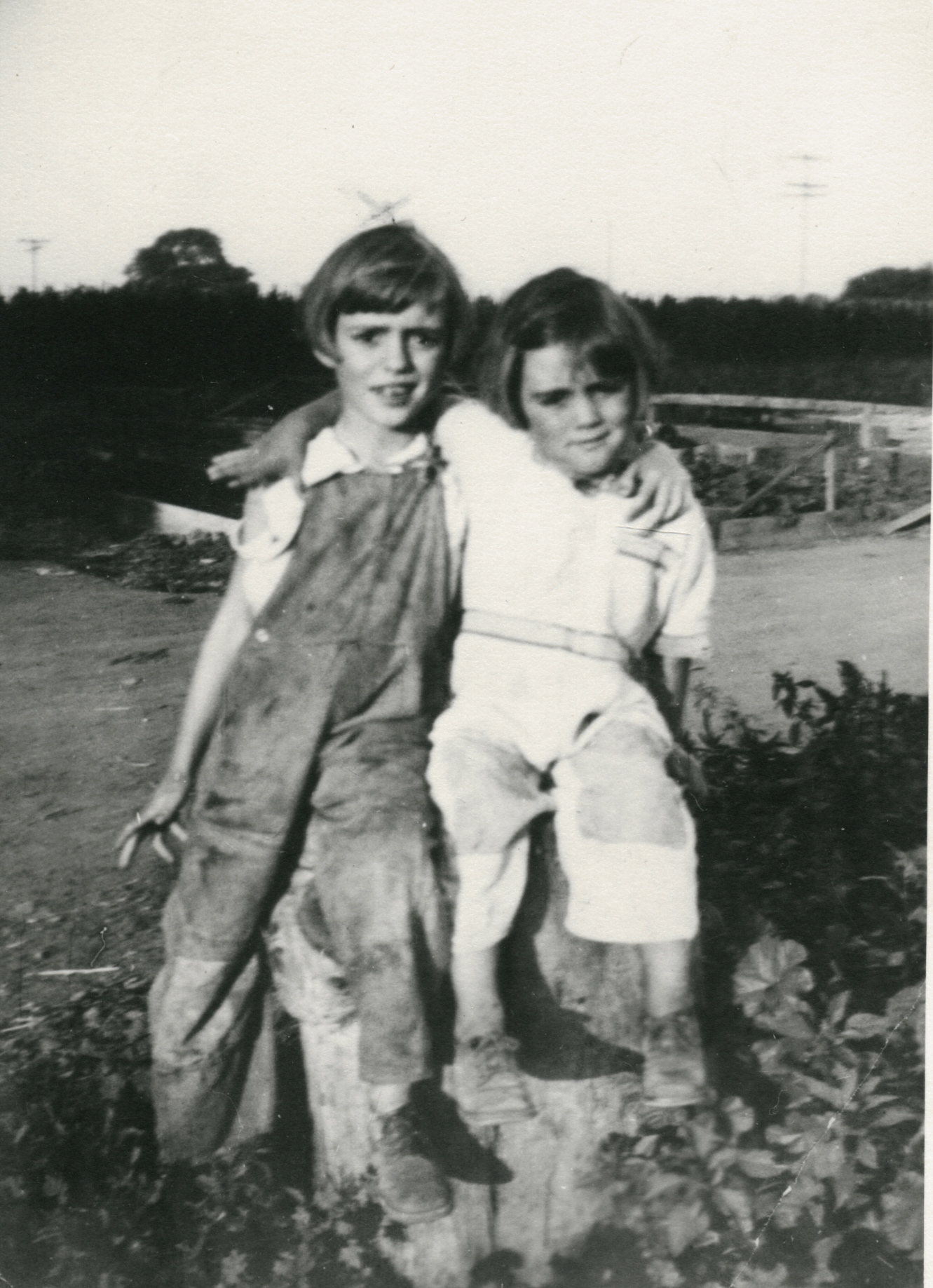
My Mother, Soledad Calvo and her sister Trinidad when they were depression era farm kids around 1936 in Mountain View, California. They both grew up to be beautiful women.

My aunt Trinidad and my Mother Soledad Calvo as beautiful young women. Their brother Eugene is in the picture as well as their cousins Shirley, Manuel (Mamo) and Bobby Lozano taken on their farm in Mountain View, California and shot around 1944.

My Mother, Soledad Calvo as an Art student as San Jose State around 1948. She eventually graduated in 1950 and became an art teacher at a Junior High School. She married my father in 1951 and quit teaching to raise a family but continued to paint the rest of her life. My Mother was a stunningly beautiful woman and looked a lot like Rita Hayworth, another woman of Hispanic heritage.

“4th and Going Home” is the next screenplay I’m working on about the Japanese American internment Camp Amache during World War II, in Granada, Colorado. They played a football game with the undefeated Granada High School Football team inside Camp Amache. Even though the Granada High School team outweighed the Japanese American team by 30 pounds a player, they beat the farm boys of Granada High by a touch down at the end of the game.

My Mother, Soledad Calvo, being honored as Miss Hispanic Mountain View, California being escorted by her brothers Manuel and Victor Calvo around 1947 in Mountain View, California in traditional Spanish clothing.
 sinisterfilmfest.com
Leave a comment