

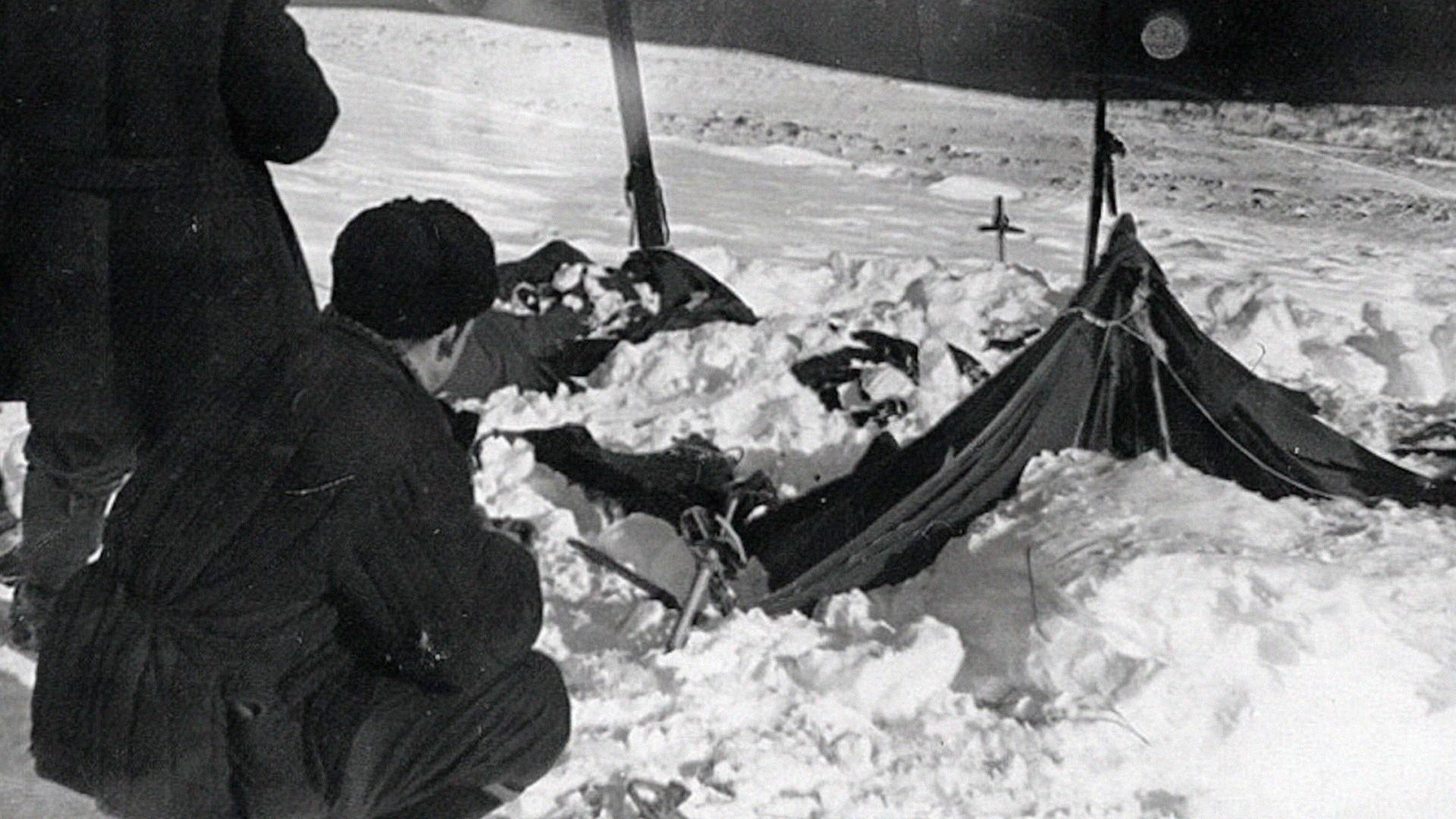
In early February 1959, a Soviet rescue team stumbled upon a torn tent high in the Ural Mountains. What they found inside—and what lay scattered in the snow beyond—would give birth to one of the most disturbing unsolved cases in modern history.
The Dyatlov Pass Incident, named after expedition leader Igor Dyatlov, has since become synonymous with fear, confusion, and the dreadful realization that even the most logical minds may not find answers where nature and the unknown converge.
A Tragedy in the Snow
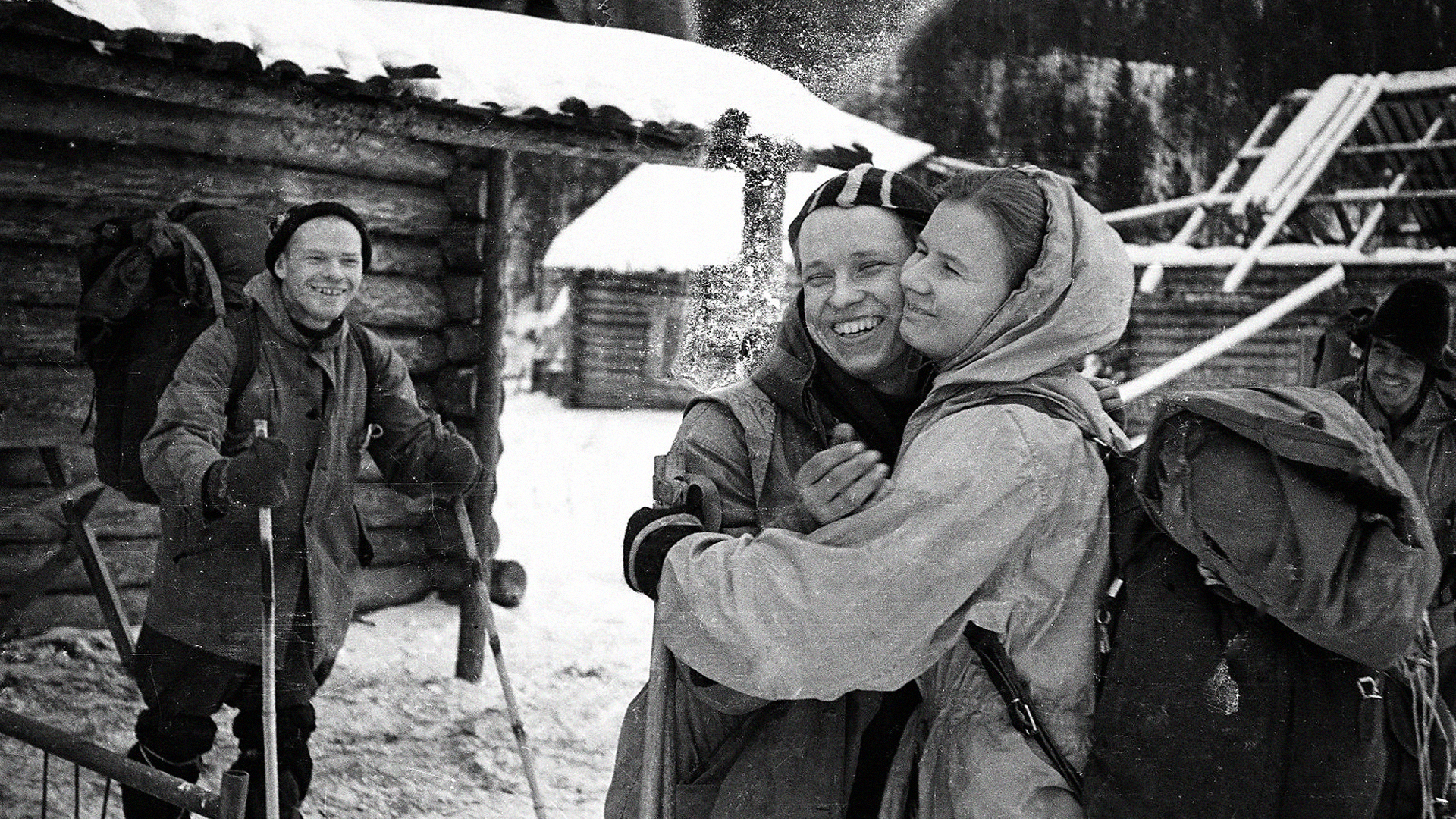
The group consisted of nine students from the Ural Polytechnic Institute, all experienced hikers. On January 27, they departed into the wilderness with skis, rations, and journals—fully prepared for their trek through the northern Urals.
On February 1, they pitched their final camp on the slopes of Kholat Syakhl—translated from the indigenous Mansi language as “Mountain of the Dead.” They would never leave.
It would be nearly a month before search teams located the group. What they discovered defied explanation. The tent had been cut open—from the inside. Most of the bodies were found in various stages of undress, barefoot or wearing only socks, scattered across the snowy terrain. Some had suffered massive internal injuries—fractured ribs, crushed skulls—without any visible external wounds. One victim’s eyes were missing. Another had no tongue.
Tests revealed traces of radiation on their clothes. The official investigation, closed in 1959, concluded only that the hikers died due to a “compelling natural force.” No further explanation was provided.
Theories in the Shadows
In the decades that followed, a storm of speculation has surrounded the Dyatlov Pass Incident. Skeptics and scientists have proposed an avalanche as the cause, citing pressure injuries and panic. However, critics argue that the site showed no signs of typical avalanche patterns, and the group’s decision to flee into the freezing night—barefoot—remains irrational under that theory.
Others suggest infrasound—a rare meteorological phenomenon causing panic through low-frequency vibrations. Some point to military involvement, citing secret weapons tests in the area, and the presence of high radiation.
More fringe explanations include encounters with yetis, alien abductions, or even psychological breakdowns induced by environmental conditions. Each theory attempts to impose logic on a narrative that resists it.
Why It Still Haunts Us
What makes the Dyatlov Pass Incident uniquely disturbing is not just the horror of the event, but the profound silence left behind. Diaries stop mid-sentence. Photographs reveal little. The survivors—there were none.
In 2019, the Russian government reopened the case and reaffirmed the avalanche theory. But the announcement did little to quiet the unease. Independent researchers argue that the new findings raise more questions than answers. For many, the truth remains buried beneath layers of snow, secrecy, and speculation.

Between Science and the Supernatural
The Dyatlov Pass Incident remains a defining example of the boundary where science falters and myth takes root. It is a story retold not because it is understood, but because it resists understanding.
Sixty-five years later, the questions remain unchanged: What force made nine rational, trained individuals tear through their shelter and run half-naked into certain death? What crushed their bodies without leaving a mark? And why, even after countless studies, do the facts still feel like fiction?
In the frozen silence of “Dead Mountain,” something happened that defies time, reason, and explanation. And that is where the horror truly begins.
 sinisterfilmfest.com
Leave a comment