
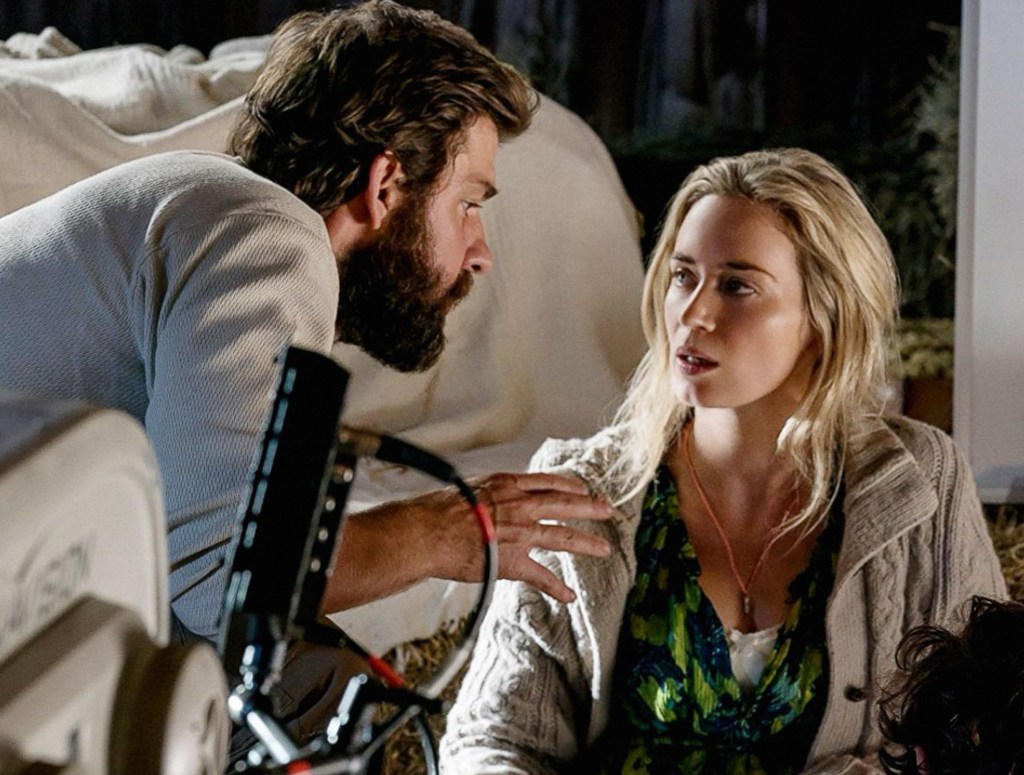
In horror, it’s easy to fall into the trap of performance extremes: the shriek too sharp, the sob too forced, the stare too vacant. But the most unsettling moments in horror aren’t always the loudest — they’re the ones that feel real. For directors working within the genre, guiding actors to deliver grounded, human performances — even in the face of the unreal — is essential. Here’s how to keep the humanity intact while diving into the darkness.
1. Anchor the Character Before the Chaos
Before the blood, the screaming, or the supernatural reveals, there is a person. Spend time with your actors exploring who they are before the horror begins. What do they want? What are they afraid of besides the monster? This emotional grounding gives them something real to hold on to once the chaos hits — and gives the audience a reason to care.
2. Use Fear as a Personal Emotion, Not a Genre Note
Don’t ask your actor to “be scared.” Instead, help them build a reason to be scared. Direct them with questions like:
- “What do you see that no one else believes?”
- “What memory does this moment remind you of?”
- “What are you risking if you scream?”
Fear is more powerful when it’s connected to survival, grief, guilt, or love. The monster may be fictional, but the response shouldn’t be.
3. Create Emotional Continuity in the Madness
Horror often demands drastic shifts — calm to chaos, tension to explosion. Help your actor navigate these jumps by mapping the emotional progression clearly. This doesn’t mean dampening the horror, but making sure the emotional throughline is never broken. A terrified mother shouldn’t suddenly switch to action hero mode without a moment of psychological transition.
4. Protect Vulnerability, Especially in Intense Scenes
Extreme fear, trauma, or violence on screen can take a toll on your cast. Prioritize communication, boundaries, and rehearsals that allow actors to explore safely. The better they understand what’s being asked of them — and the more they trust the environment — the more fearless and authentic their performance can be.
5. Let Stillness Speak
Horror is not only about action. Some of the most haunting performances come in the quiet: the long stare after a trauma, the breath held in a closet, the inability to scream. Encourage your actors to explore stillness and internal tension. Sometimes what they don’t do on camera is what makes the scene unforgettable.
6. Be Their Mirror, Not Their Puppet Master
Actors in horror must trust their instincts. Your job is to reflect what you see — not to control every twitch. Use precise but open-ended direction like:
- “That felt honest — now try it with half the breath.”
- “What if she didn’t want to cry here?”
- “Let’s try a version where the fear turns into rage instead.”
Give them space to surprise you.
Final Cut
Great horror doesn’t come from louder screams or bloodier effects. It comes from believable people in unbelievable situations. As a director, your ability to help actors find emotional truth in the middle of terror is what elevates your film from just frightening… to unforgettable.
 sinisterfilmfest.com
Leave a comment