
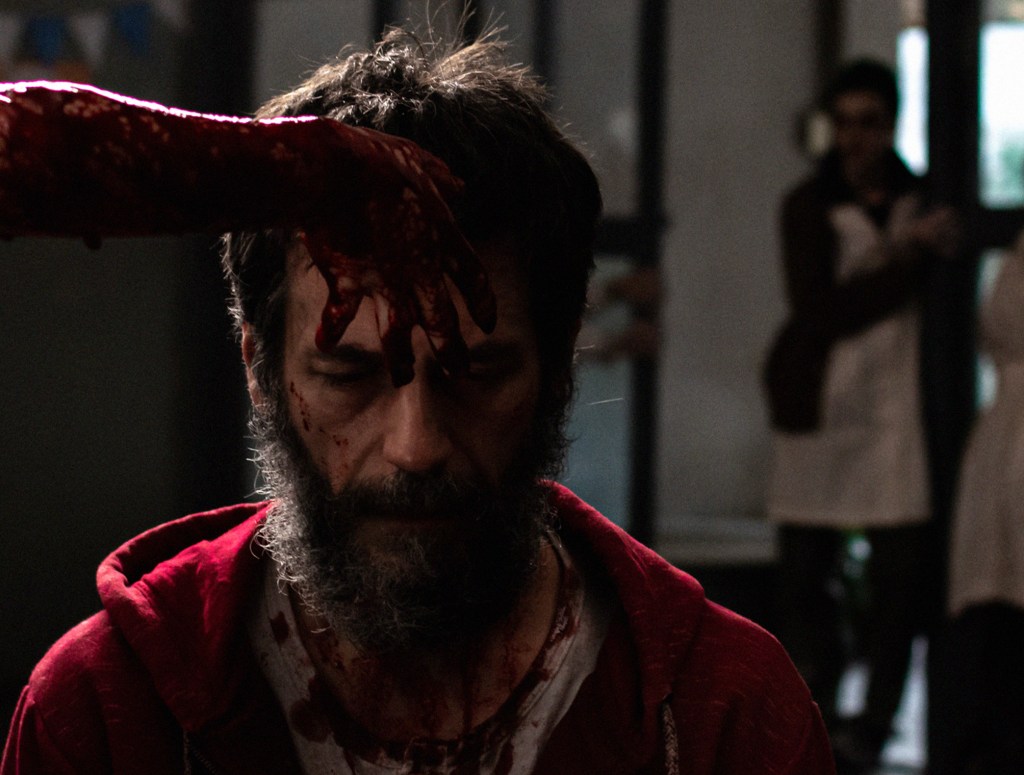
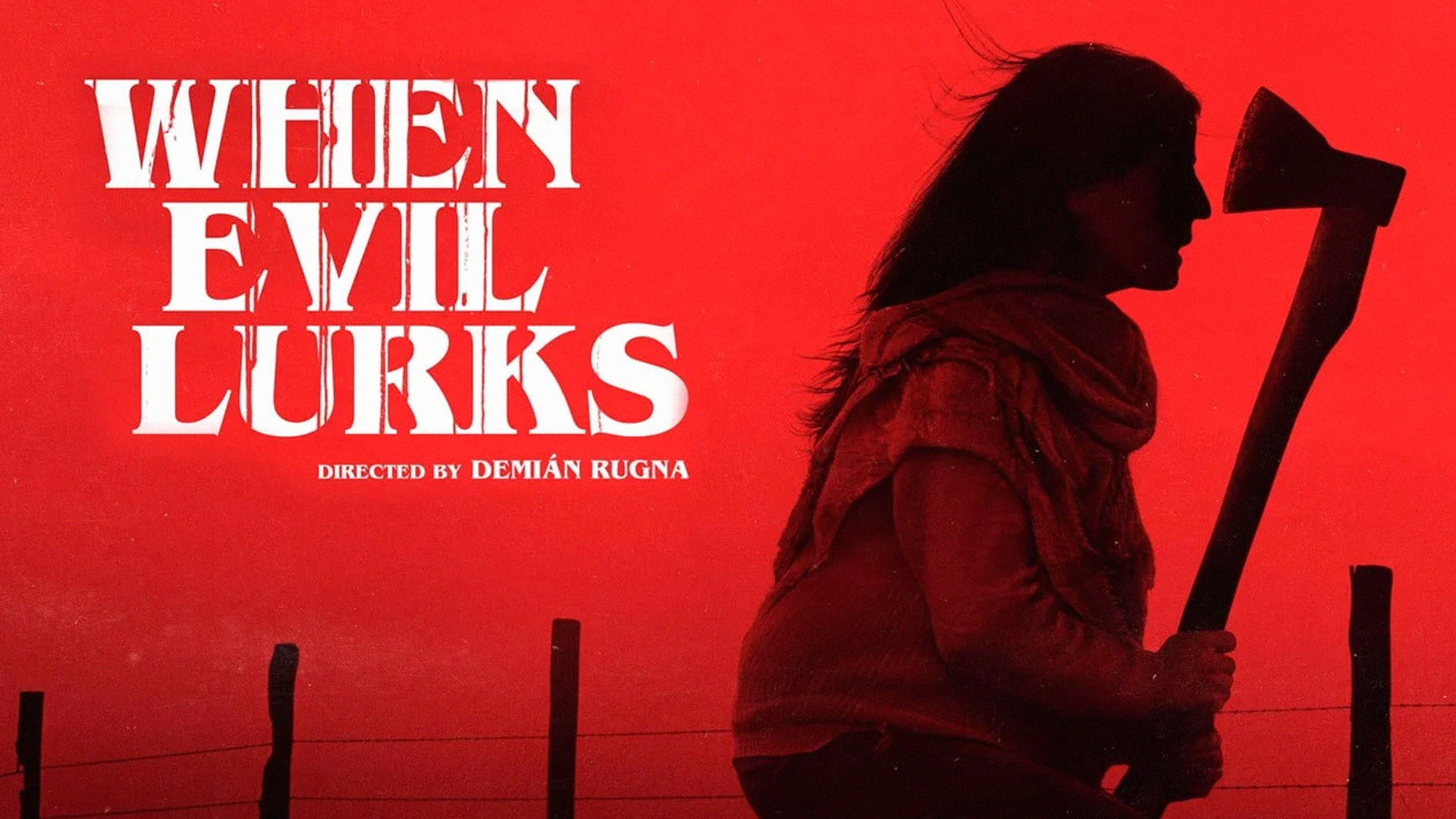
In When Evil Lurks (Cuando acecha la maldad), director Demián Rugna tears through the conventions of demonic possession and plunges us into a rural nightmare where evil spreads like a plague—and no one is coming to help.
This is not the kind of exorcism film where the Church saves the day. In Rugna’s Argentina, institutions have failed, trust is fractured, and belief itself is weaponized. The result is a story soaked in dread, not just for what’s lurking in the shadows, but for what festers in plain sight.
A World Already Rotten
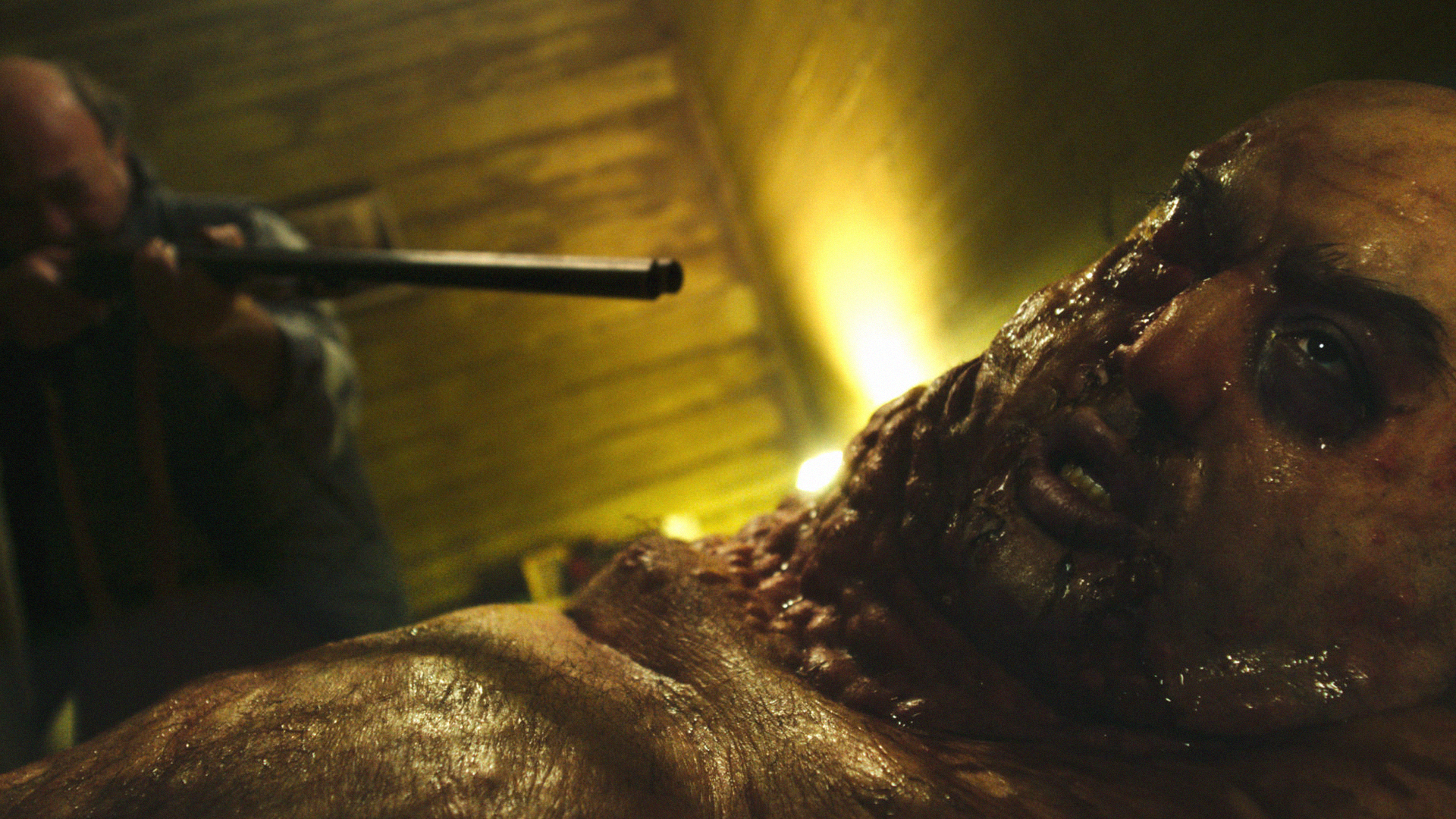
The film opens with two brothers stumbling upon a “rotten,” a man bloated and festering, infected by an evil that’s been gestating too long. The authorities won’t intervene. The townspeople whisper half-truths and hide behind closed doors. The brothers try to act—but every step they take only spreads the infection further.
Rugna constructs his horror on a social fault line. The rot doesn’t begin with the demon—it begins with apathy, superstition, and the absence of collective action. The evil here is systemic, embedded in the fabric of a community that’s lost its moral compass.
Violence Without Catharsis
Unlike mainstream possession films, When Evil Lurks offers no cathartic climax, no holy triumph. Instead, it delivers escalating terror in bursts of graphic, sudden violence that feels both inevitable and avoidable. Children are not spared. Innocence offers no shield. The rules of narrative protection are shredded.
It’s a film that punishes interference, mocks hope, and dares the viewer to keep watching as everything unravels.
A New Kind of Possession
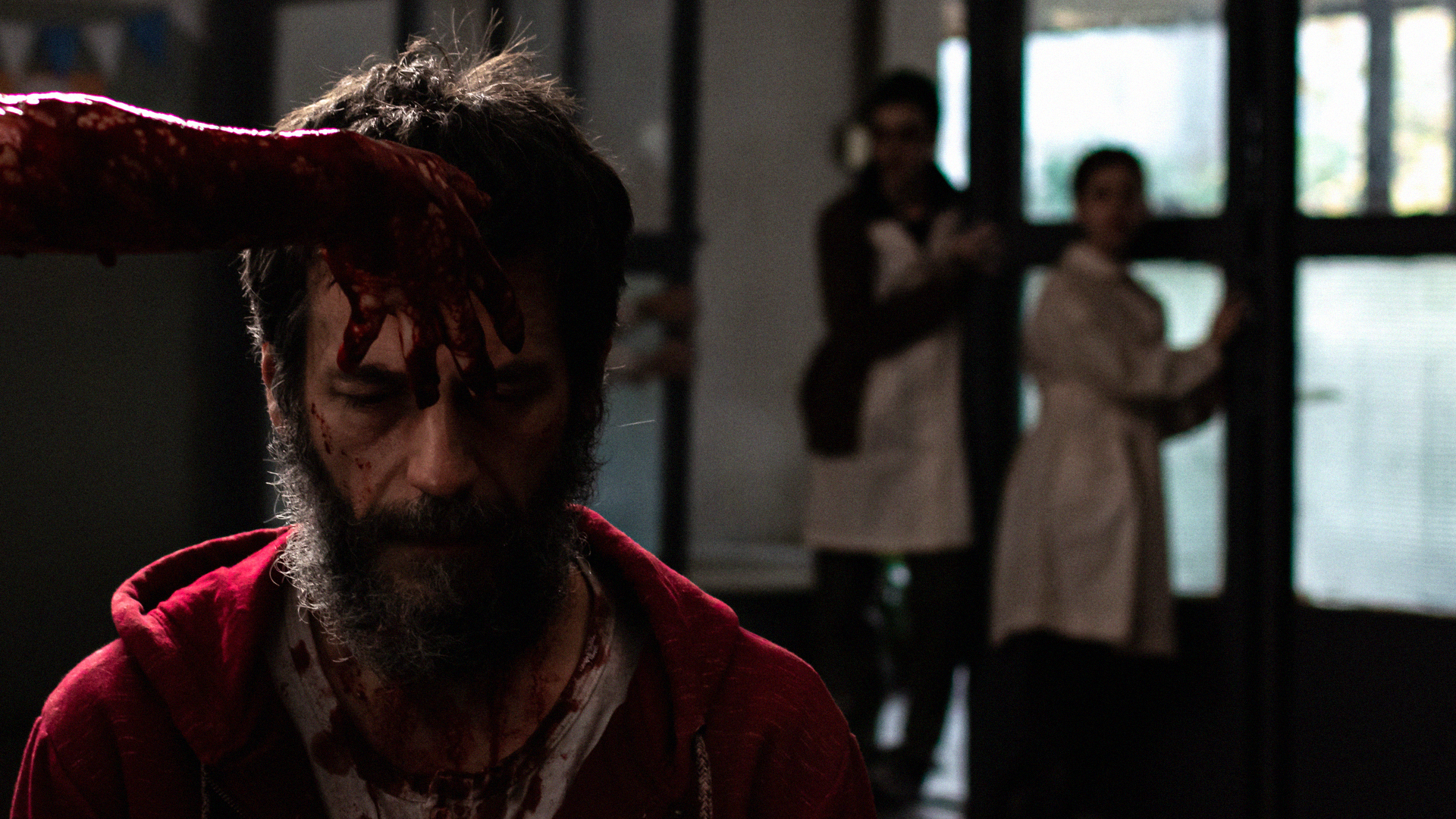
What makes When Evil Lurks so devastating isn’t just the gore or the despair—it’s the way Rugna redefines possession. Here, it’s less a matter of spiritual corruption than biological contagion. Evil spreads like an idea gone viral, feeding on fear, misinformation, and bad decisions.
This reimagining connects the supernatural with the sociopolitical. The possessed don’t just act erratically—they become nodes in a system designed to annihilate truth and empathy. It’s a bleak parable for our times, dressed in body horror and screams.
Horror Beyond Redemption
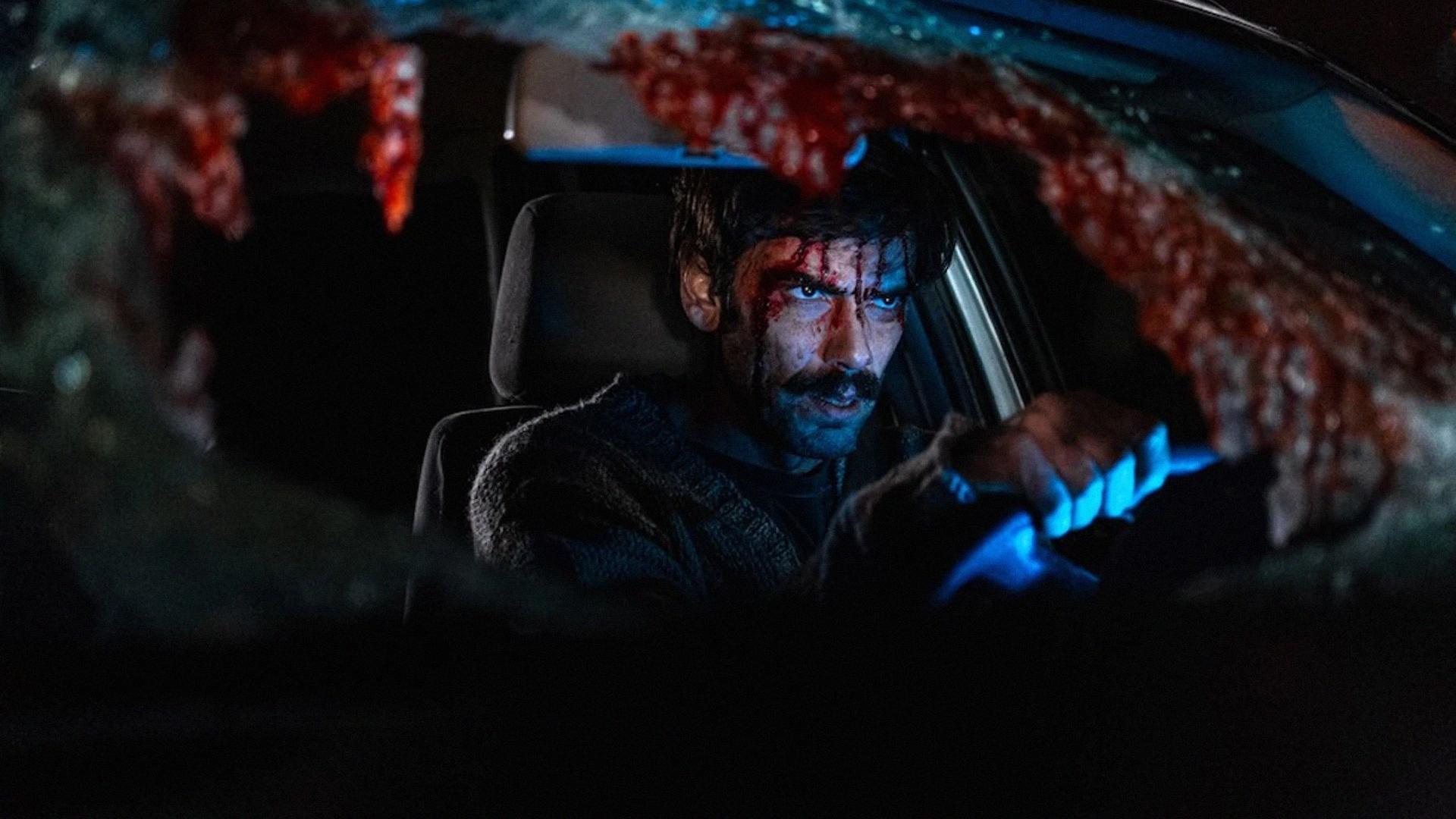
Demián Rugna isn’t interested in salvation. His vision is more merciless, more honest. In the same vein as his previous film Terrified (Aterrados), this is horror where the rules are unclear, the enemy is uncontainable, and the heroes—if they exist—are just people caught in a storm they can’t name.
When Evil Lurks is a landmark in Latin American horror—not because it screams the loudest, but because it looks at evil dead in the eyes and doesn’t flinch.
 sinisterfilmfest.com
Leave a comment