
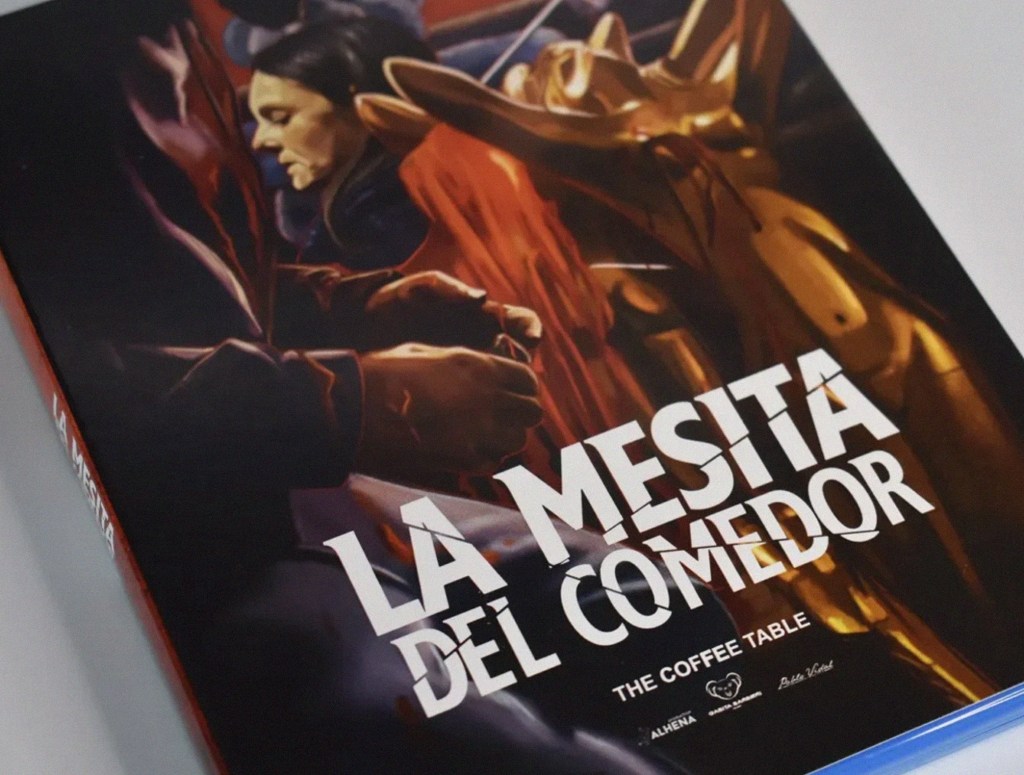
Some films don’t just make you uncomfortable—they trap you in it. Caye Casas’ The Coffee Table (La Mesita del Comedor) is one of the most nerve-wracking horror experiences in recent memory, not because of what it shows, but because of what it refuses to let you escape.
Behind its deceptively mundane premise—a couple shopping for furniture—lurks one of the most devastating accidents in horror cinema, and a descent into psychological torment that claws at your nerves long after the credits roll.
The Weight of a Bad Decision
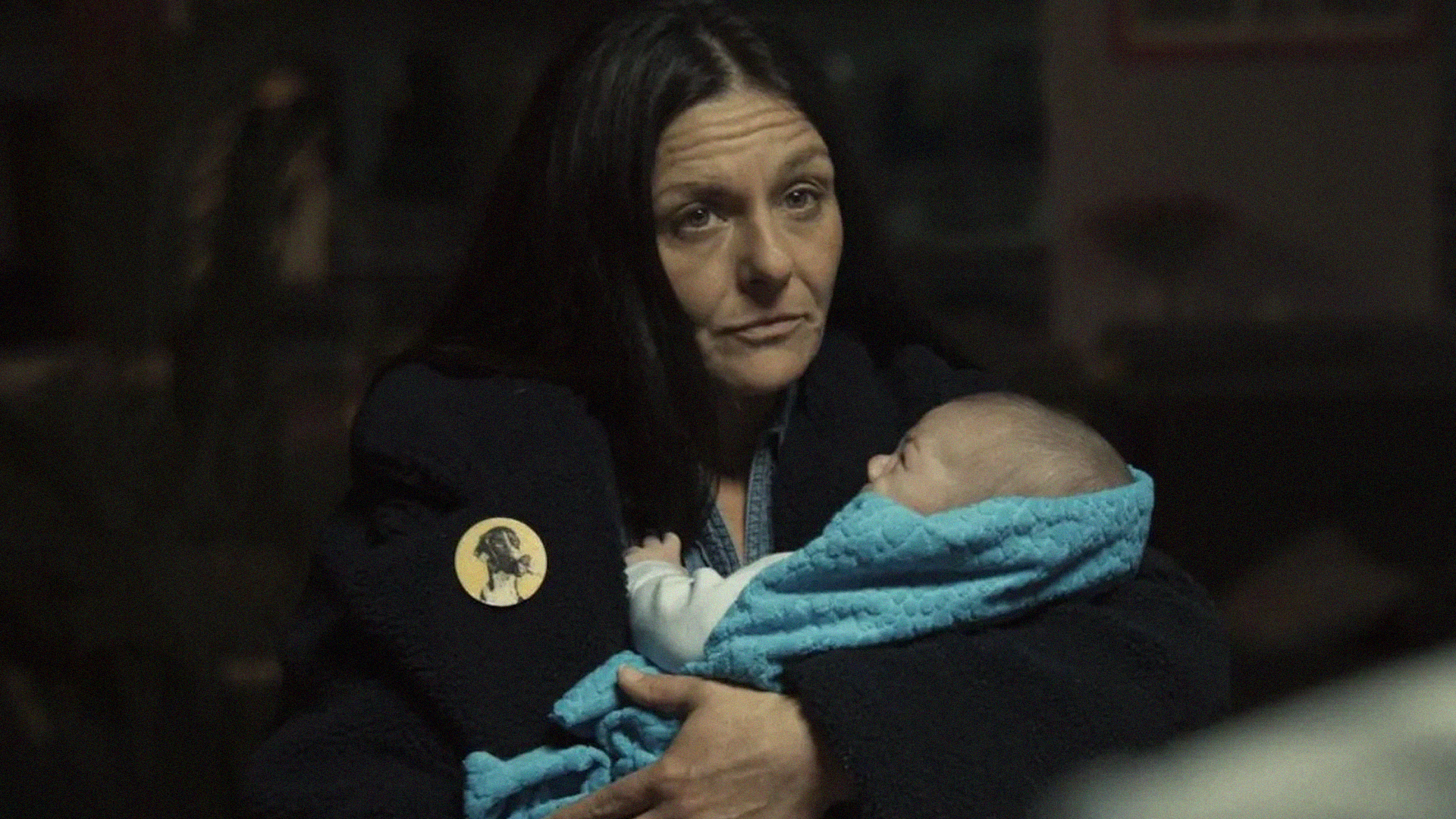
Jesús and María are new parents. He wants a cheap, ugly coffee table. She doesn’t. It’s a familiar kind of marital friction—petty, annoying, real. But when a seemingly absurd domestic choice leads to an irreversible catastrophe, the film doesn’t cut away. It doesn’t offer relief. It forces us to sit in it, minute by agonizing minute.
The table becomes a symbol—of bad taste, yes, but also of denial, of guilt, of everything we can’t undo. Casas crafts a minimalist chamber piece that slowly mutates into a claustrophobic purgatory, one where laughter curdles into horror.
Horror Without Blood, Terror Without Monsters
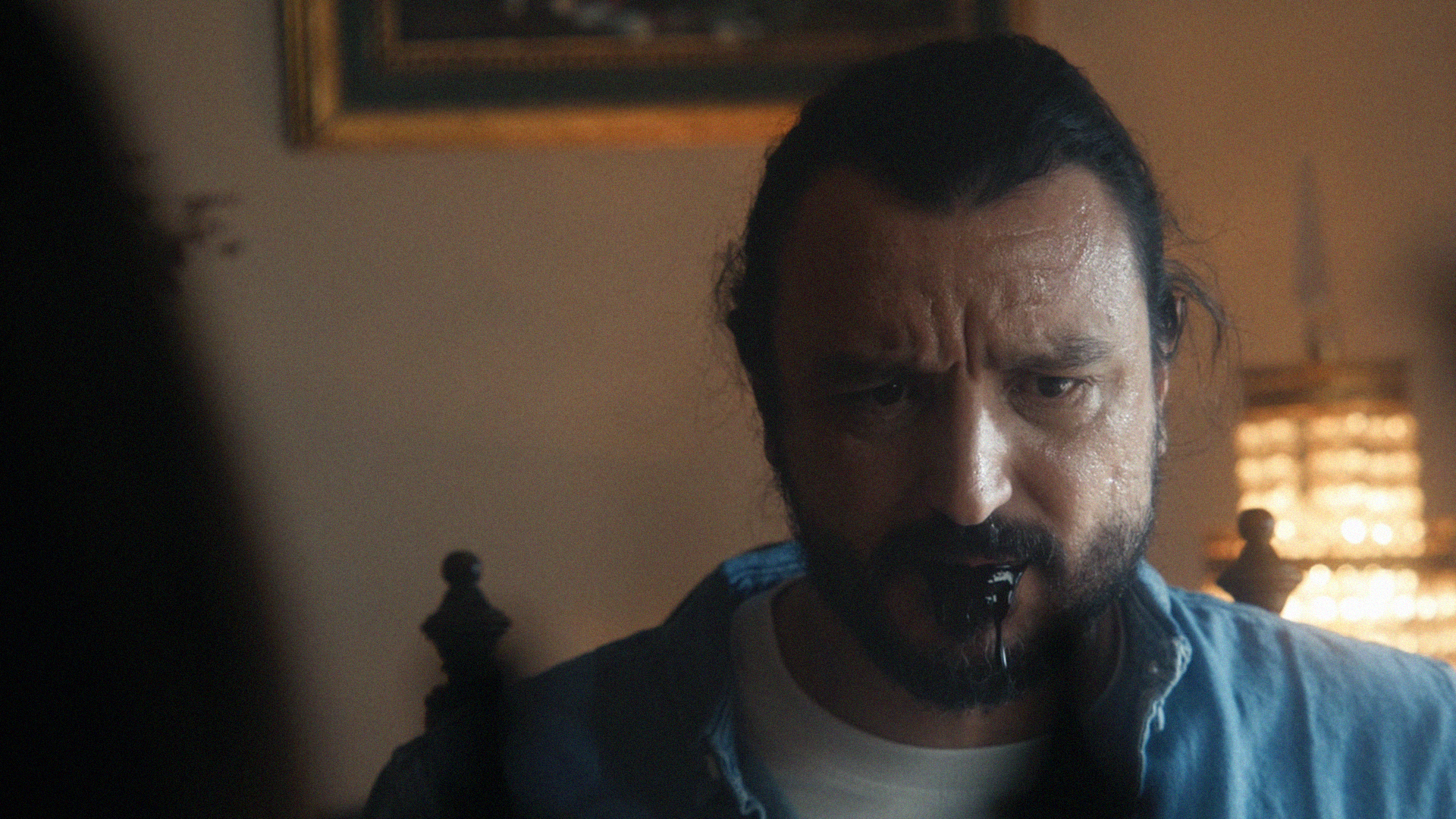
There are no jump scares. No demons. No killers in the dark. Yet The Coffee Table may be one of the most horrifying films of the decade.
Casas, known for his pitch-black sense of humor, strips away genre conventions and replaces them with pure dread. The real terror lies in watching ordinary people cope with the unthinkable in painfully human ways—fumbling, lying, avoiding, collapsing.
The film’s power lies in its restraint. Every choice to not show, to not resolve, becomes a cruel mirror to the viewer’s own discomfort. We want release. The film denies it.

A Test of Endurance
The Coffee Table is not for everyone. Its deliberate pace, its absurd tone, its refusal to moralize or explain—these are provocations. But for those who endure, the film offers something rare: a vision of horror rooted not in fantasy, but in everyday life, where tragedy comes not with thunder but with silence.
It’s a story about the horror of being alive, of being responsible, of making a decision you can never take back.
Final Thoughts
With The Coffee Table, Caye Casas delivers a masterclass in dread, using humor as a scalpel and stillness as a weapon. It’s the kind of horror film that leaves bruises—not from what it shows, but from what it makes you feel.
And once you’ve seen it, you’ll never look at a piece of furniture the same way again.

 sinisterfilmfest.com
Leave a comment