
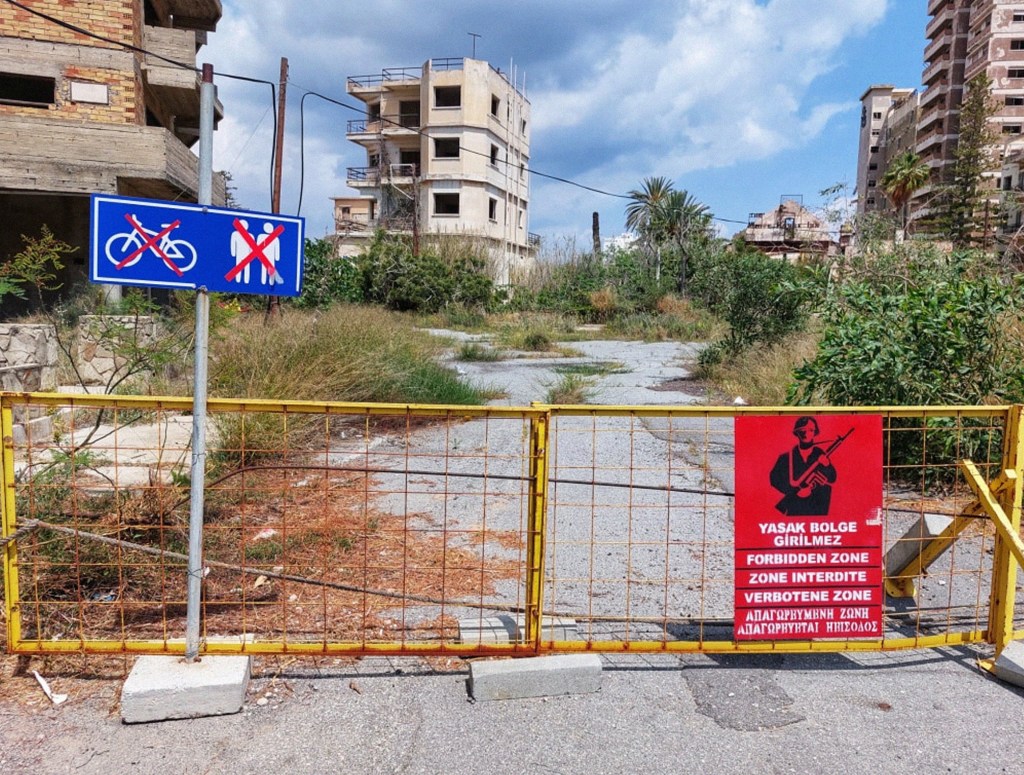
Luxury hotels. Empty rooms. Decades of silence behind barbed wire.
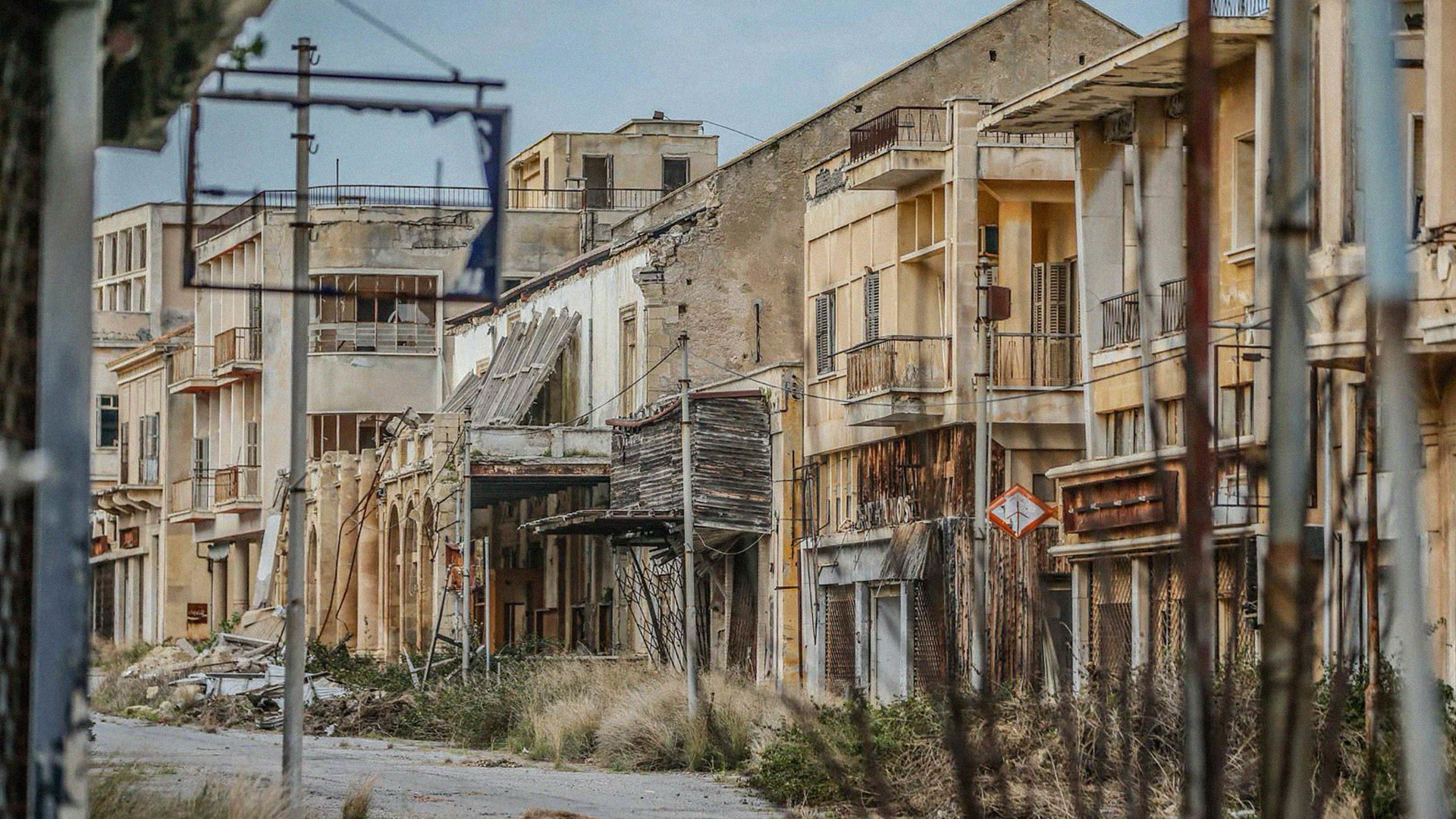
On the sun-drenched coast of Famagusta, Cyprus, just beyond the scent of the sea and the rustle of palm trees, lies a ghost town frozen in time. Varosha, once the jewel of Cypriot tourism, is now a sealed-off relic of paradise interrupted—its streets fenced, its buildings crumbling, and its memories hauntingly intact.
The Rise: Where the Jet Set Came to Play
In the late 1960s and early 1970s, Varosha was booming. With white-sand beaches, modern high-rises, and a glittering nightlife, it became a playground for international celebrities and wealthy travelers. Elizabeth Taylor and Brigitte Bardot were said to have vacationed there. Real estate values soared. Developers raced to build ever more luxurious hotels.
Then came 1974.
The Invasion: A City Left Mid-Step
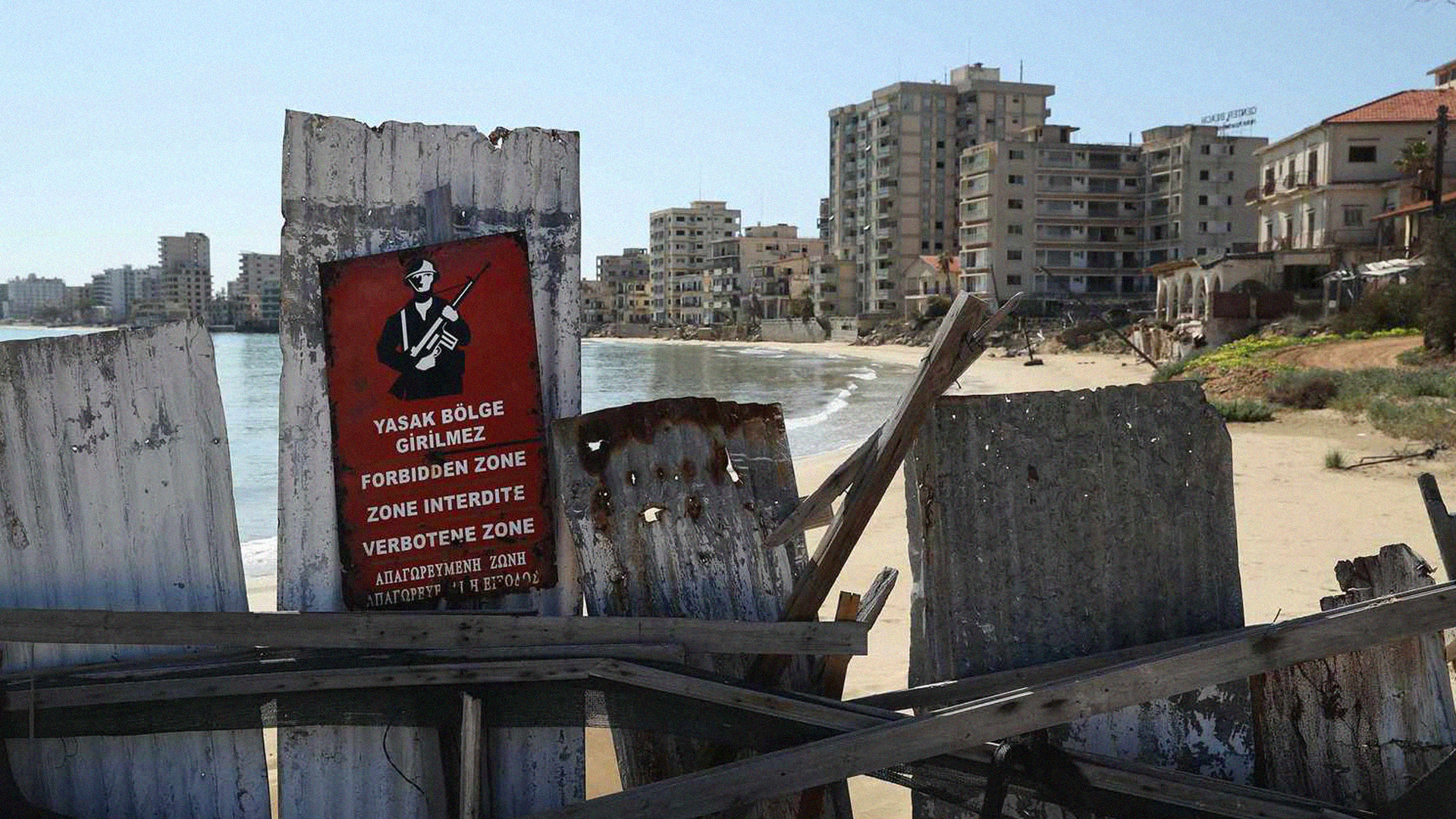
Following a coup d’état by Greek nationalists and the subsequent Turkish military invasion of Cyprus, Varosha was evacuated almost overnight. Fearing violence, residents fled south. Turkish forces took control of the district and sealed it off entirely. No one, not even the original inhabitants, was allowed to return.
Over the years, nature crept back in. Trees burst through concrete. Balconies collapsed. Sand swallowed beachfront promenades. Inside hotels, furniture remains in place, beds made, mirrors cracked, and suitcases left unpacked. A half-consumed life, abandoned mid-step.
The Silence: Decay Behind Barriers
For nearly 50 years, Varosha remained untouched—a ghost city locked in a legal and military limbo. The United Nations declared that no one should settle the area except its original residents. Turkey and Northern Cyprus disagreed. As the decades passed, time did what bombs could not: it hollowed out the city from within.
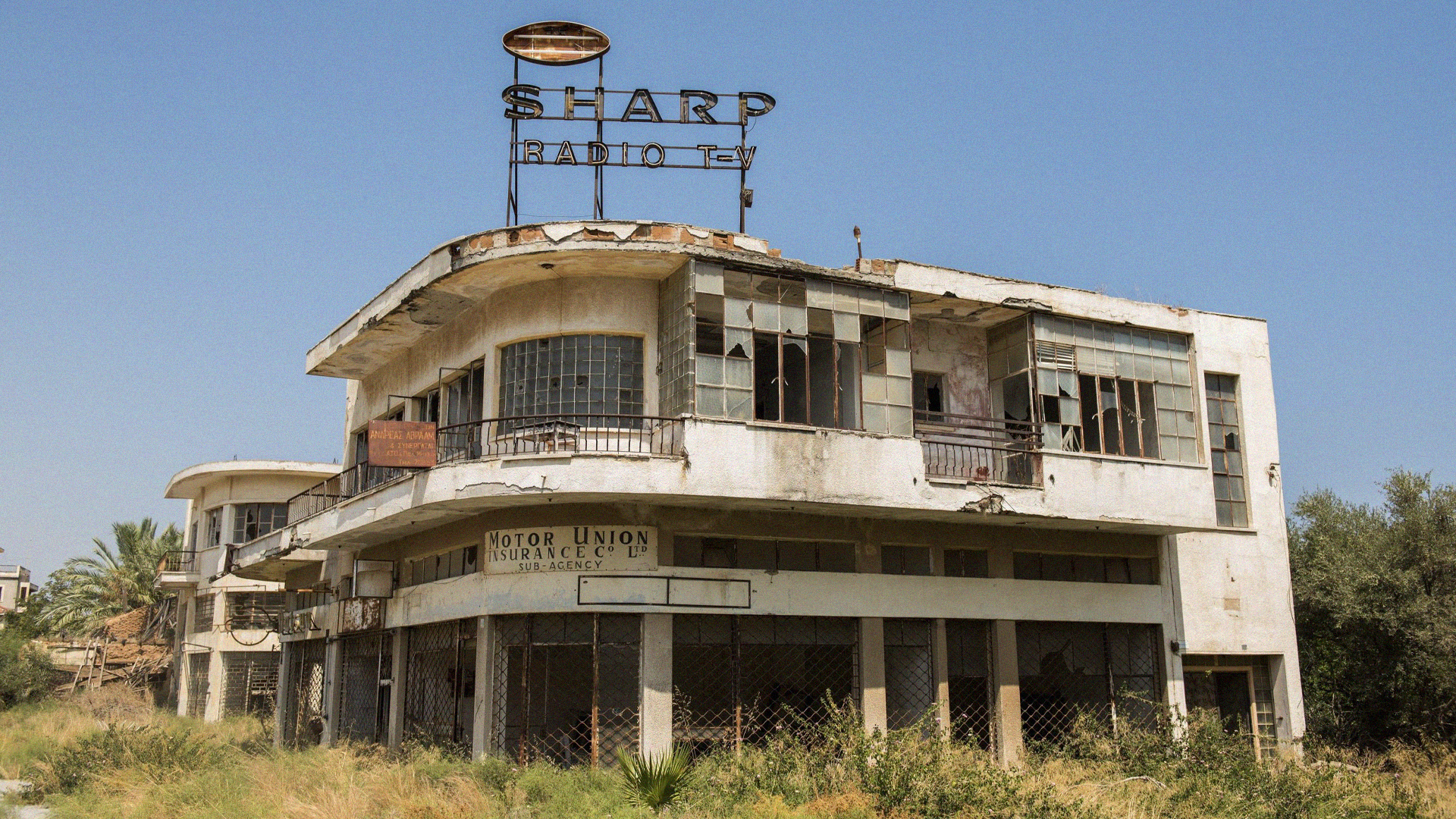
Rust bleeds down the facades of once-pristine hotels. Stores still display mannequins dressed in 1970s fashion, their colors faded by decades of sun and dust. Roads, now fractured, lead to nowhere.
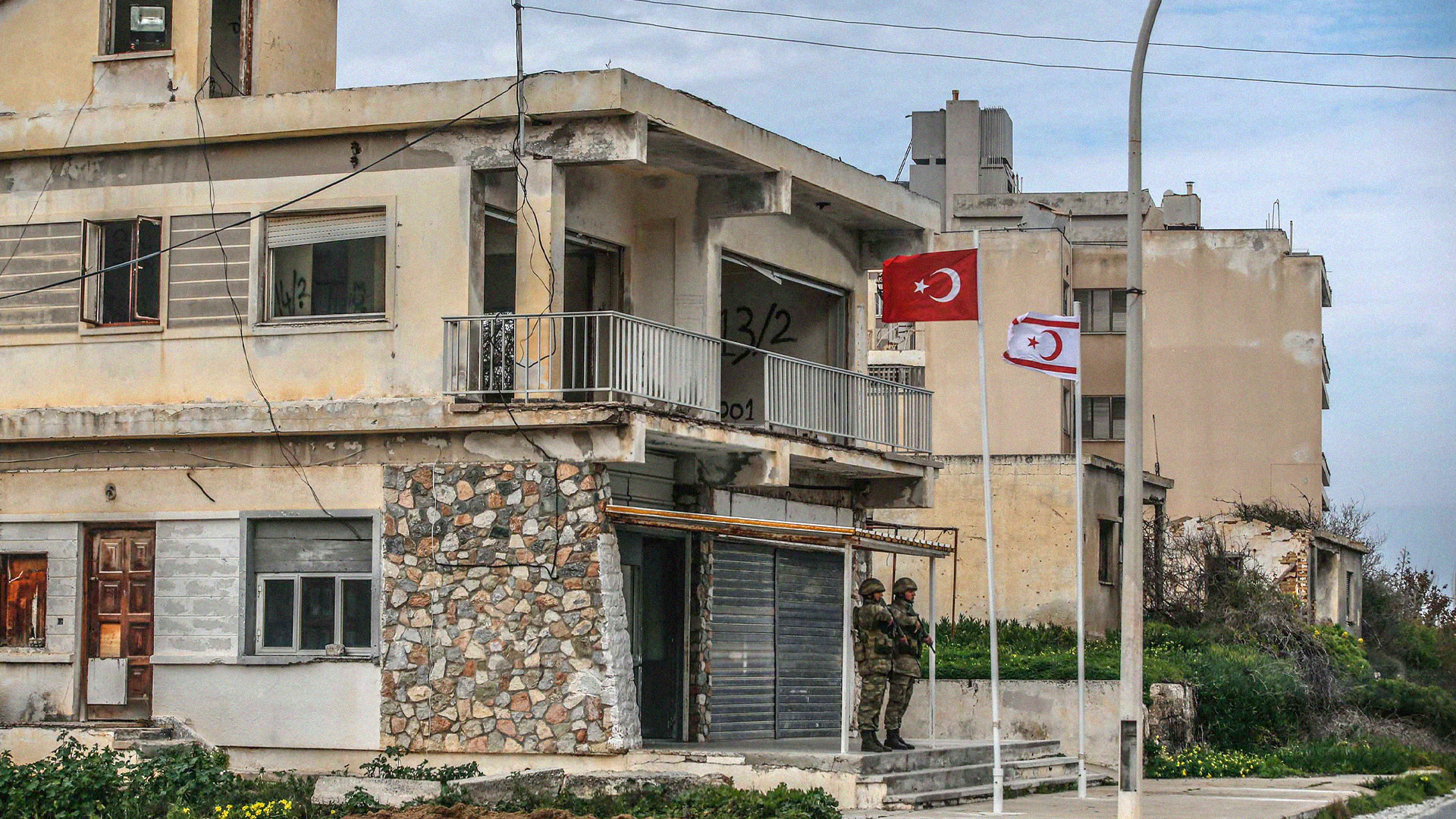
Occasionally, military patrols pass by. But for the most part, Varosha watches in silence—a skeleton of affluence trapped in amber.
A Contested Future
In recent years, parts of Varosha have been reopened to limited visitors, reigniting political tension and international condemnation. Tourists now walk the ruined streets under armed watch, peering into buildings like museum exhibits of a vanished world.
But the heart of Varosha remains closed, its ownership disputed, its return uncertain, its fate unresolved.
Some ghost towns decay from neglect.
Varosha decays from memory—meticulously preserved, yet still forbidden.
 sinisterfilmfest.com
Leave a comment