
The Story That Opened the Door
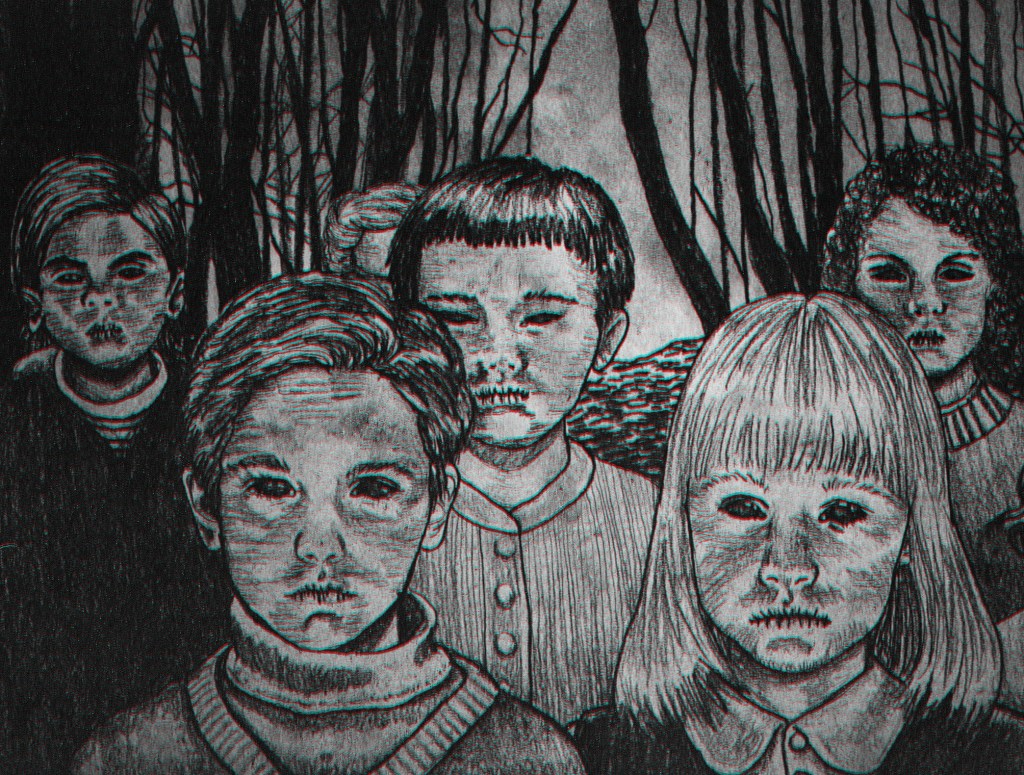
In 1996, journalist Brian Bethel shared a personal account that would shape one of America’s most enduring urban legends. While sitting in his parked car outside a movie theater in Abilene, Texas, Bethel was approached by two boys who asked for a ride. Their appearance was off—pale skin, outdated clothing, and speech that felt strangely rehearsed. The sense of unease escalated into fear when he noticed their eyes: entirely black, without sclera or iris. He left immediately.
Bethel’s testimony, circulated through early internet forums, sparked a wave of similar reports and gave birth to the phenomenon now known as the Black-Eyed Children.
Recognizable Traits and Patterns
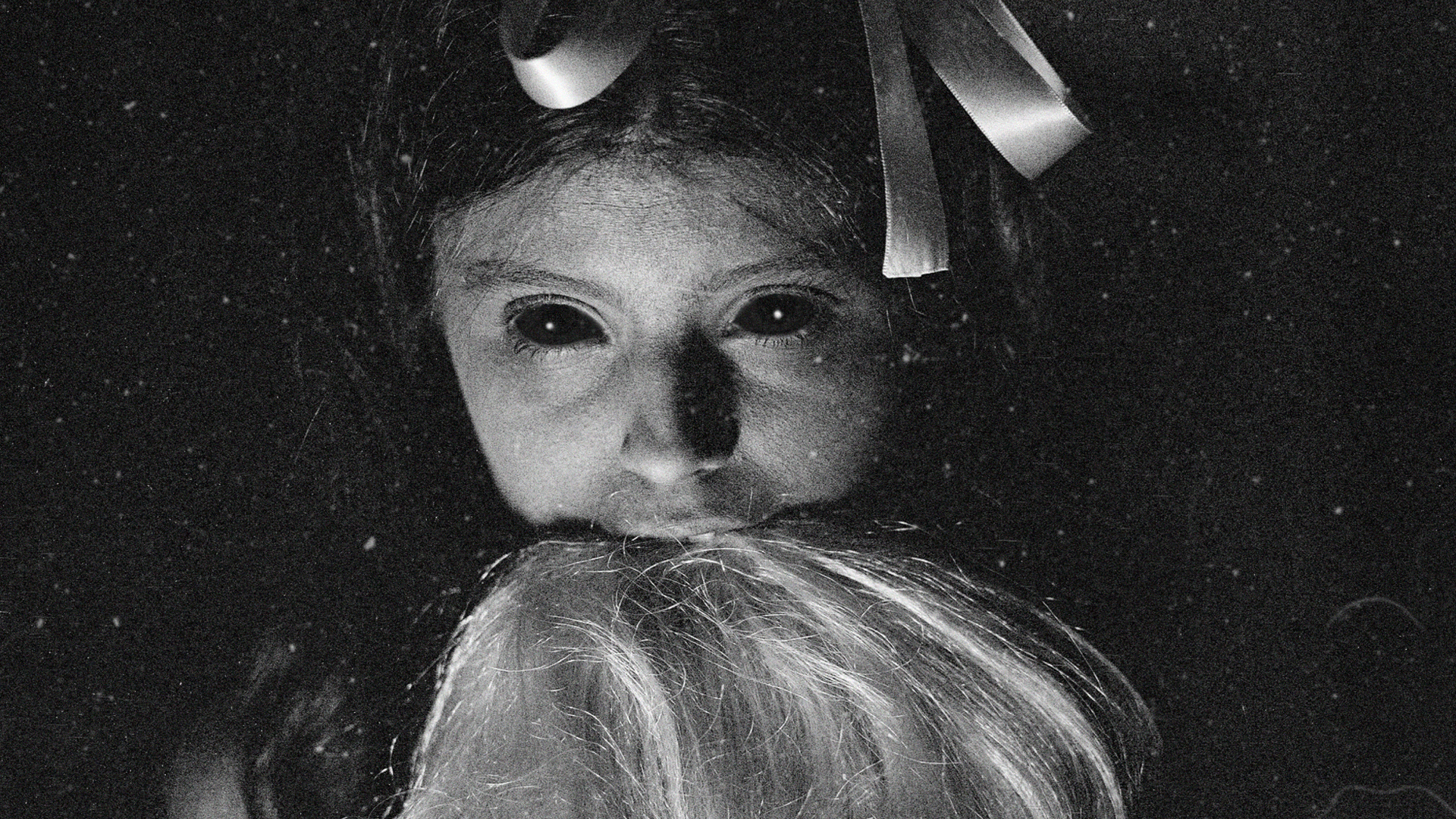
Most encounters follow a consistent pattern. The children, usually aged between six and sixteen, appear in pairs and often seek help: a phone call, a ride home, a place to wait. They are polite but unsettling. Their language is overly formal, their movements slightly unnatural. And always—there are the eyes: void-like, black, and expressionless.
Witnesses report an overwhelming sense of dread, often before they even realize what is wrong. While physical harm has never been confirmed, lingering symptoms such as migraines, nausea, and emotional distress are frequently described.
Folkloric Echoes and Cultural Parallels
The Black-Eyed Children bear striking resemblance to folkloric entities across cultures. Some compare them to changelings or spirits who imitate human form to gain access to private spaces. Others connect the legend to vampire mythology, where the supernatural must be invited inside to cross a threshold.
The repeated motif of consent—always asking, never forcing—reinforces this parallel. The moment of invitation becomes symbolic, marking the boundary between safety and vulnerability.
The Psychology of Fear and the Digital Age
Skeptics and psychologists have proposed alternate theories, including sleep paralysis, mass suggestion, and internet-driven hysteria. But the consistency across unrelated accounts continues to fascinate folklorists. The legend thrives not only because of fear, but because it taps into primal human discomfort: the fear of the uncanny, of corrupted innocence, of danger that mimics the familiar.
From Whisper to Myth
Today, sightings of the Black-Eyed Children are shared across platforms—from late-night radio to Reddit threads, from whispered roadside confessions to formal documentaries. Whether seen as supernatural entities or evolving cultural archetypes, they occupy a space between fiction and belief, where no definitive answer feels complete.
What remains constant is the warning. They will knock. They will ask. And they will wait.
Because in the world of the Black-Eyed Children, horror doesn’t come through violence.
It comes through permission.


Leave a Reply