
Japan – A Masked Terror in the Modern Age
A Question With No Right Answer
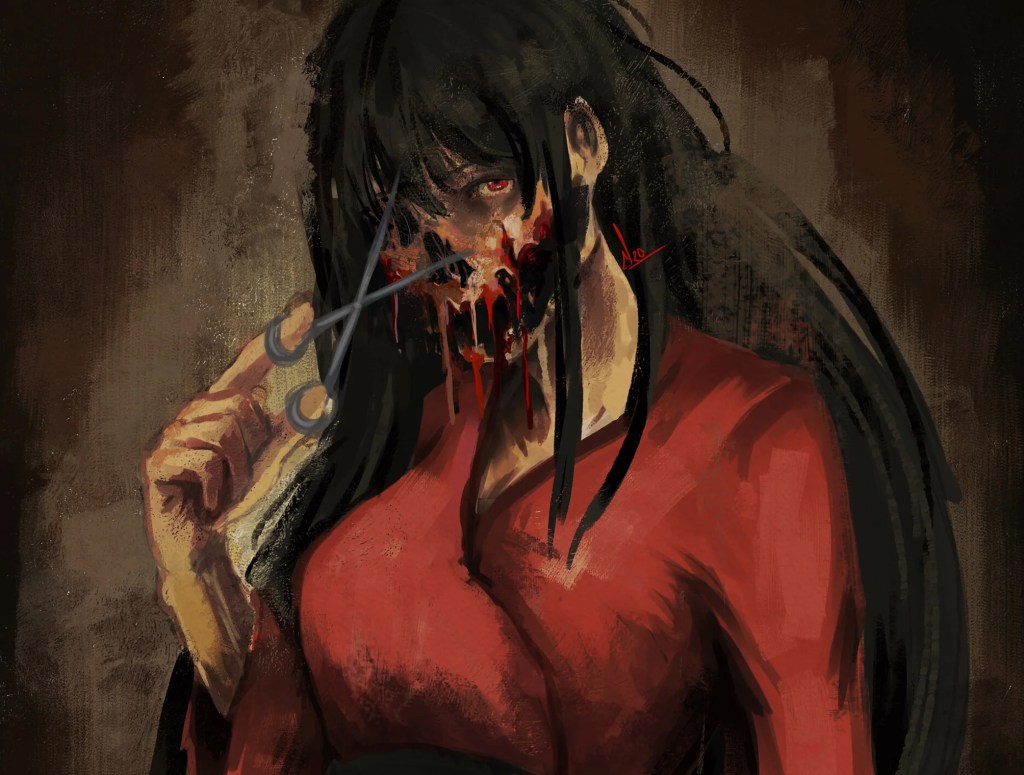
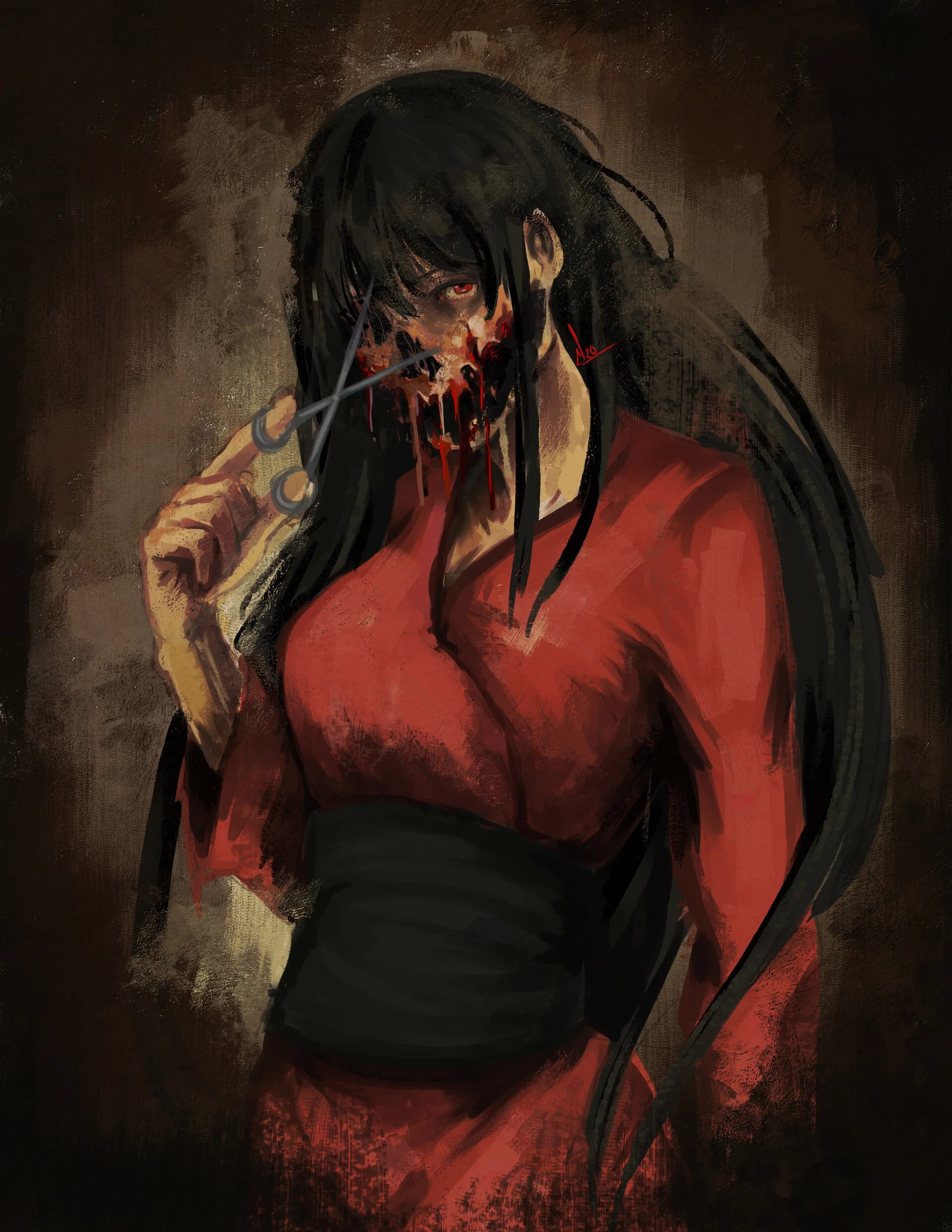
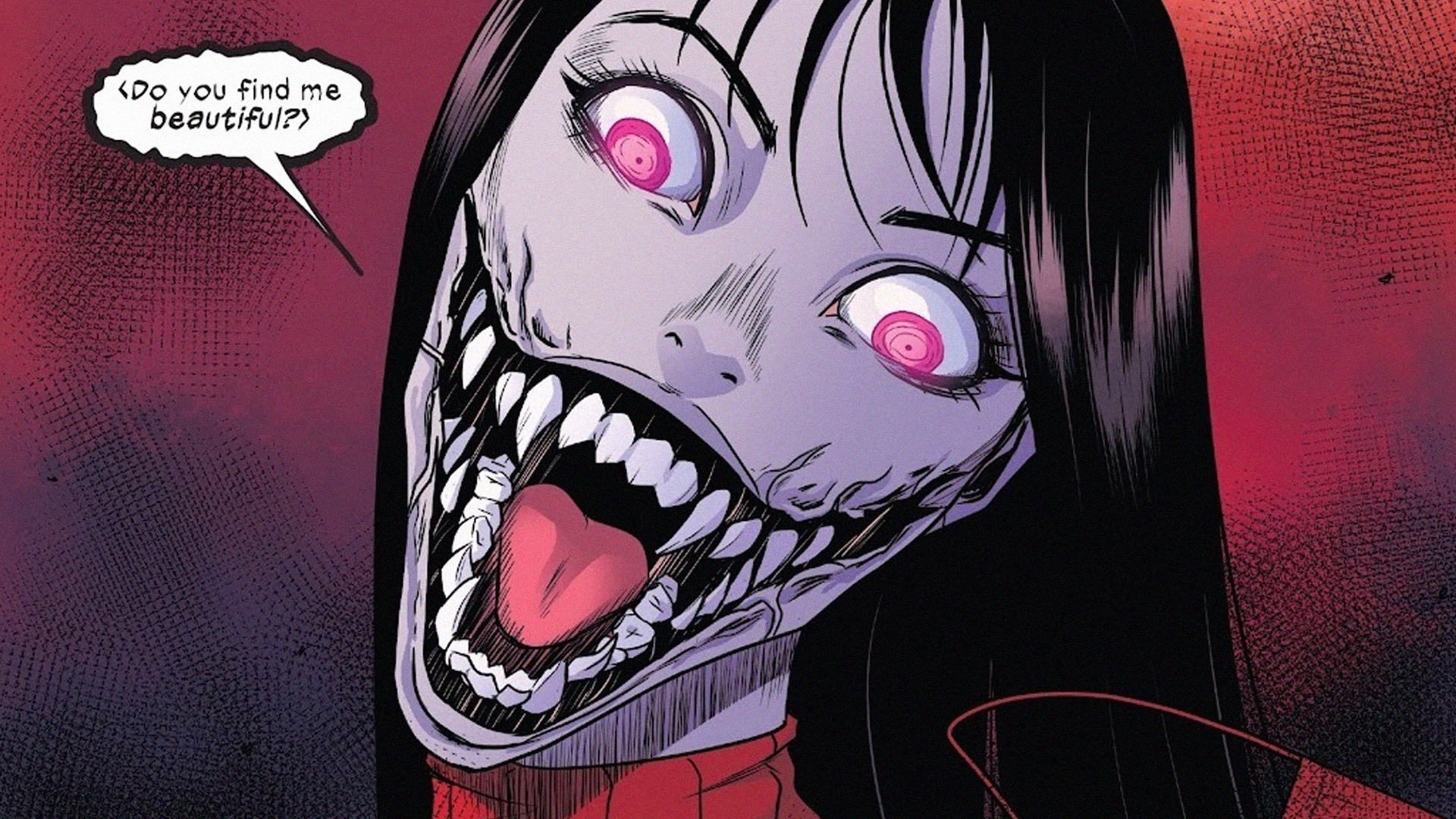
In the quiet streets of suburban Japan, especially at dusk, children once whispered about a woman in a long coat and surgical mask. She would appear suddenly—sometimes from a dark corner, sometimes blocking your path—and ask a simple question: “Watashi, kirei?” (Am I pretty?)
If you said yes, she would remove her mask to reveal a face slashed from ear to ear, her mouth carved into a grotesque smile. She would ask again: “Even like this?”
Say no, and she would kill you. Say yes, and she would disfigure your face to match hers.
Origins in Fear and Folklore
Kuchisake-onna, the Slit-Mouthed Woman, is a distinctly modern Japanese legend that gained popularity in the late 1970s, particularly during a wave of reported sightings in Gifu and surrounding prefectures. Though clearly fictional, the fear was real enough to cause schools to issue warnings and for children to walk home in groups.
Folklorists trace the roots of the story to older Japanese ghost tales of onryō—vengeful female spirits who return to punish betrayal or vanity. The surgical mask, already common in Japanese culture for hygiene and anonymity, added a modern twist that made her all the more believable.
The Role of Urban Anxiety
The spread of Kuchisake-onna’s legend coincided with growing urbanization and changing social norms in Japan. Her story reflects deep anxieties about beauty standards, the objectification of women, and the violence beneath surface appearances. She is often portrayed as a victim of domestic abuse or mutilation, transformed by trauma into something feared.
Her presence at school zones, alleys, and commuter routes makes her a projection of collective unease—blending folklore with the rhythms of daily life. A mask, after all, is not uncommon in Japan. That’s what makes her so difficult to spot. Until it’s too late.
Defense Through Folklore
Legends offer escape routes, and Kuchisake-onna is no exception. Folklore suggests several ways to survive an encounter. Some say distracting her with confusing answers—“You’re average”—buys time to escape. Others say offering hard candy or shouting specific phrases can make her vanish. These “solutions,” while fanciful, serve a deeper function: giving children (and adults) a psychological buffer against a shapeless fear.
An Enduring Mask in Japanese Culture
Though less reported today, Kuchisake-onna remains a cultural reference in manga, film, and urban storytelling. She is a symbol of horror shaped by social commentary, embodying both fear and judgment, victimhood and vengeance.
In the end, what terrifies most is not her face—but the question.
Because when she asks, “Am I pretty?”, there is no answer that saves you.


Leave a Reply