
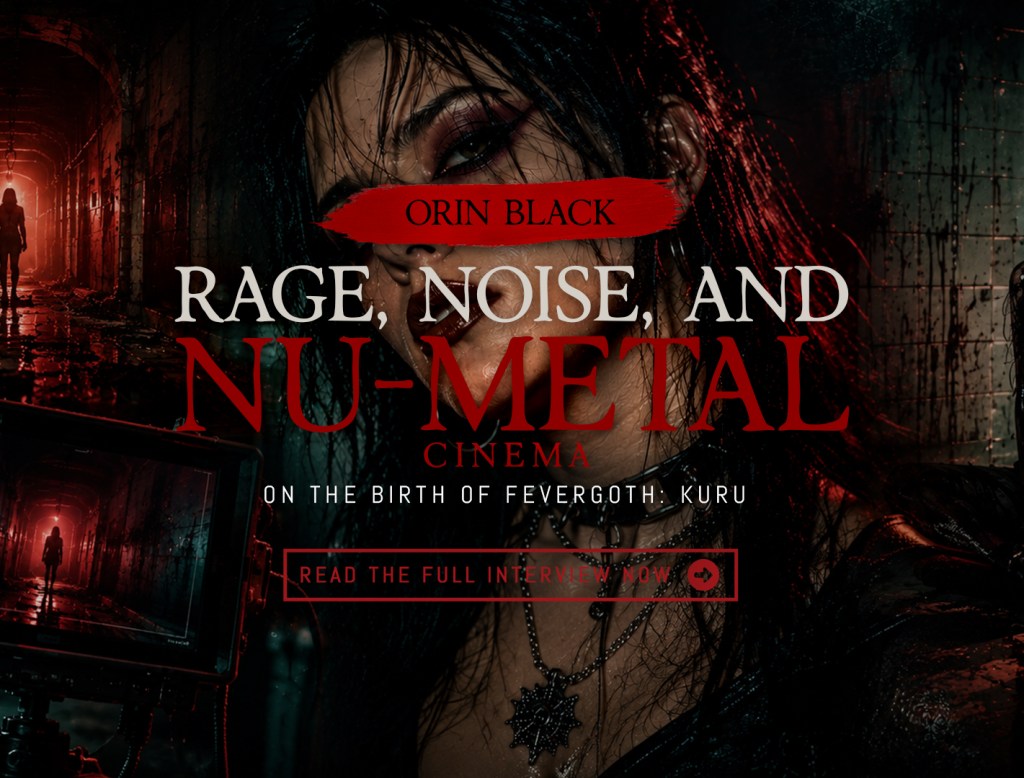
Few cultural movements have been as misunderstood — or as emotionally raw — as nu metal. Emerging at the turn of the millennium, the genre fused aggression, vulnerability, rebellion, and pop sensibility into something chaotic yet deeply relatable for an entire generation. For filmmaker and writer Orin Black, that same spirit extends far beyond music and into cinema itself.
Based in New York City, Orin Black is a writer/director and self-described “Nu Metal propagandist” whose work embraces emotional honesty, even at its ugliest. His horror short The Babysitter Murders: Timing’s Off earned festival recognition, while his upcoming project Fevergoth: Kuru seeks to channel the visceral energy, visual excess, and emotional intensity of early-2000s nu-metal culture into modern horror filmmaking.
In this interview with Sinister Magazine, Orin Black explores the emotional resonance of nu metal, the aesthetics of what he calls “nu-metal cinema,” the visual influence of films like Queen of the Damned and Underworld, and why horror remains the perfect genre for experimentation, rebellion, and emotional catharsis.
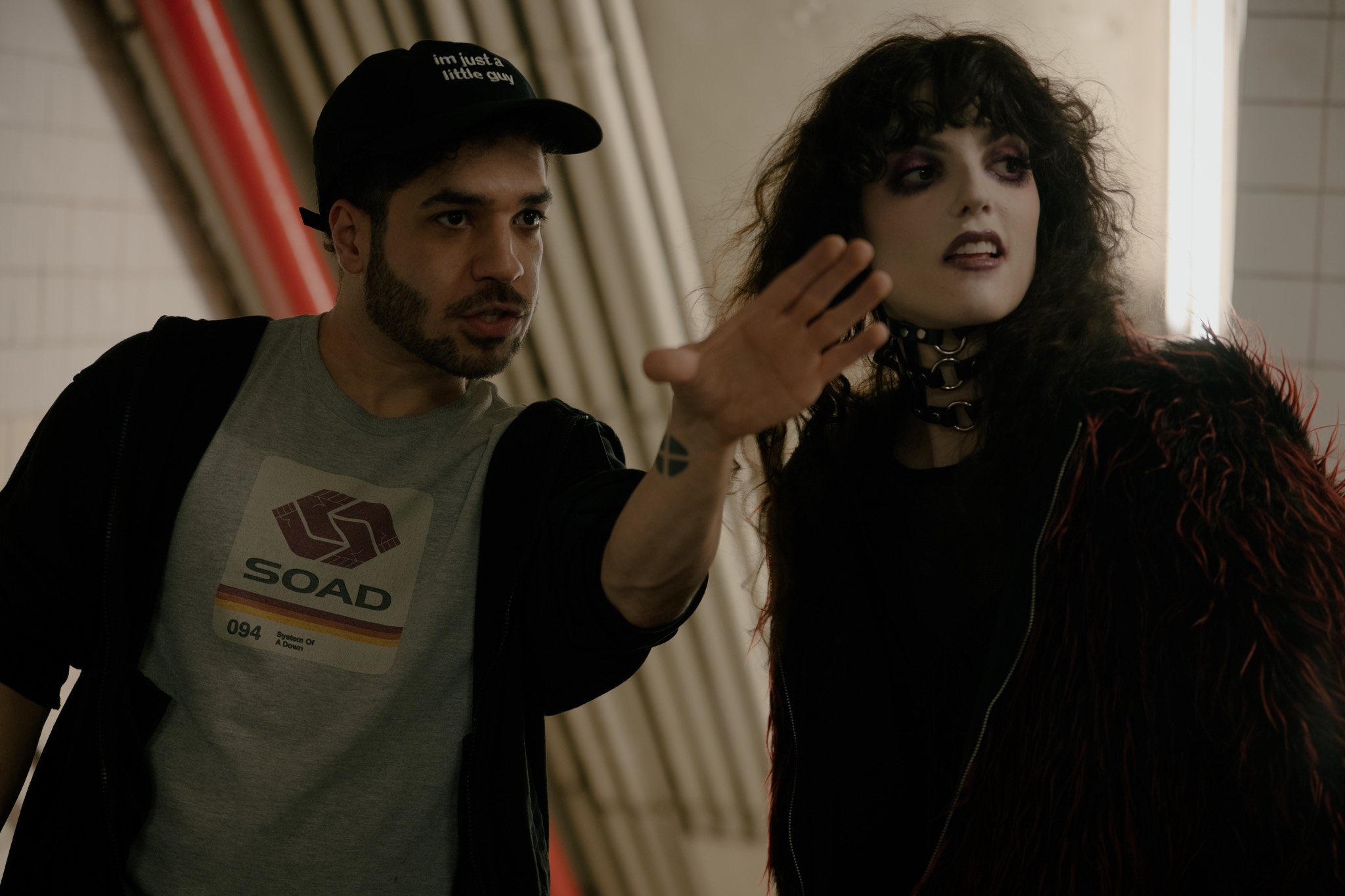
You describe nu-metal as a cultural reaction to the dominant pop landscape of the late 1990s and early 2000s. Looking back, what do you think made that musical movement resonate so strongly with audiences at the time?
The resonance of nu metal rides on one simple thing: emotion. Metal is and always will be my favorite genre of music, but a lot of it only appeals to a specific type of person. Songs about dragons and kings, or being chased through the woods by skeletons, isn’t for everyone. But the things nu metal focused on were universal. Linkin Park, Korn, Slipknot — they were all singing about the pain we all endure throughout life, and they were pissed off about it.
Most people don’t like to admit they’re angry about the fucked up stuff going on in their life. They tend to stuff it down, hide it, bury it, until they can’t deny it anymore and let it out on some poor bartender or waiter (I know, I’ve worked in the service industry most of my life). People like to rag on nu metal that it’s the soundtrack for suburban privilege, but one look at Korn’s catalogue reveals how sinister a suburban home can get behind closed doors.
This, to me, was one of the first times the mainstream started coming to terms with our collective, pent-up anger. This anger is universal, and nu metal gave it a voice. Also, it doesn’t hurt that they took a note from pop and had some of the catchiest choruses of all time.
You suggest that this chaotic energy eventually spilled into cinema. In your view, what defines the aesthetic or attitude of what you call “nu-metal cinema”?
This question is hard to get right because, like nu metal music, this genre of film was never clearly defined. Deftones couldn’t be farther away in sound than Limp Bizkit, but they both shared an attitude.
The most defining aspect of nu-metal cinema is the Rule of Cool. When Switch hands Neo a pistol, she doesn’t just hold it out to him, she spins it a couple times. Why? Because it’s cool as fuck. When Selene from Underworld goes to fight Lycans, she wears tight leather. Tight leather is restrictive and uncomfortable, so why does she do that? Because it’s cool.
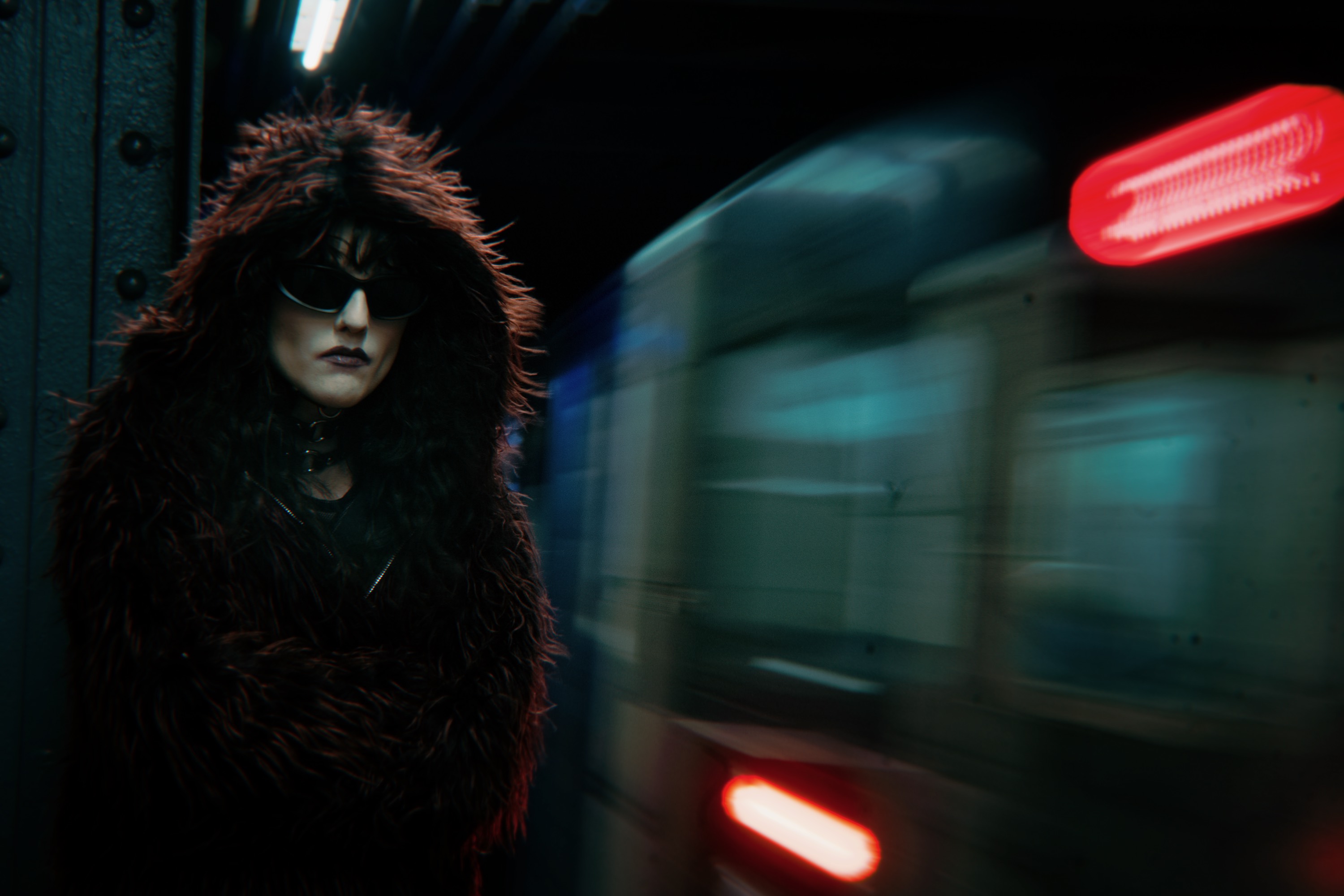
There’s a kind of fear of being authentic, a fear of being labeled cringe, that does not allow for the Rule of Cool to survive. Aiming for cool is tough because one man’s cool is another’s cringe, but if you come from a place of authenticity and put the work in, it’ll resonate with the people who matter.
Many films from that era embraced a very distinct visual style — aggressive editing, heavy color grading, saturated reds, sickly greens, and stylized action. Which visual techniques from that period most influence the way you’re approaching Fevergoth: Kuru?
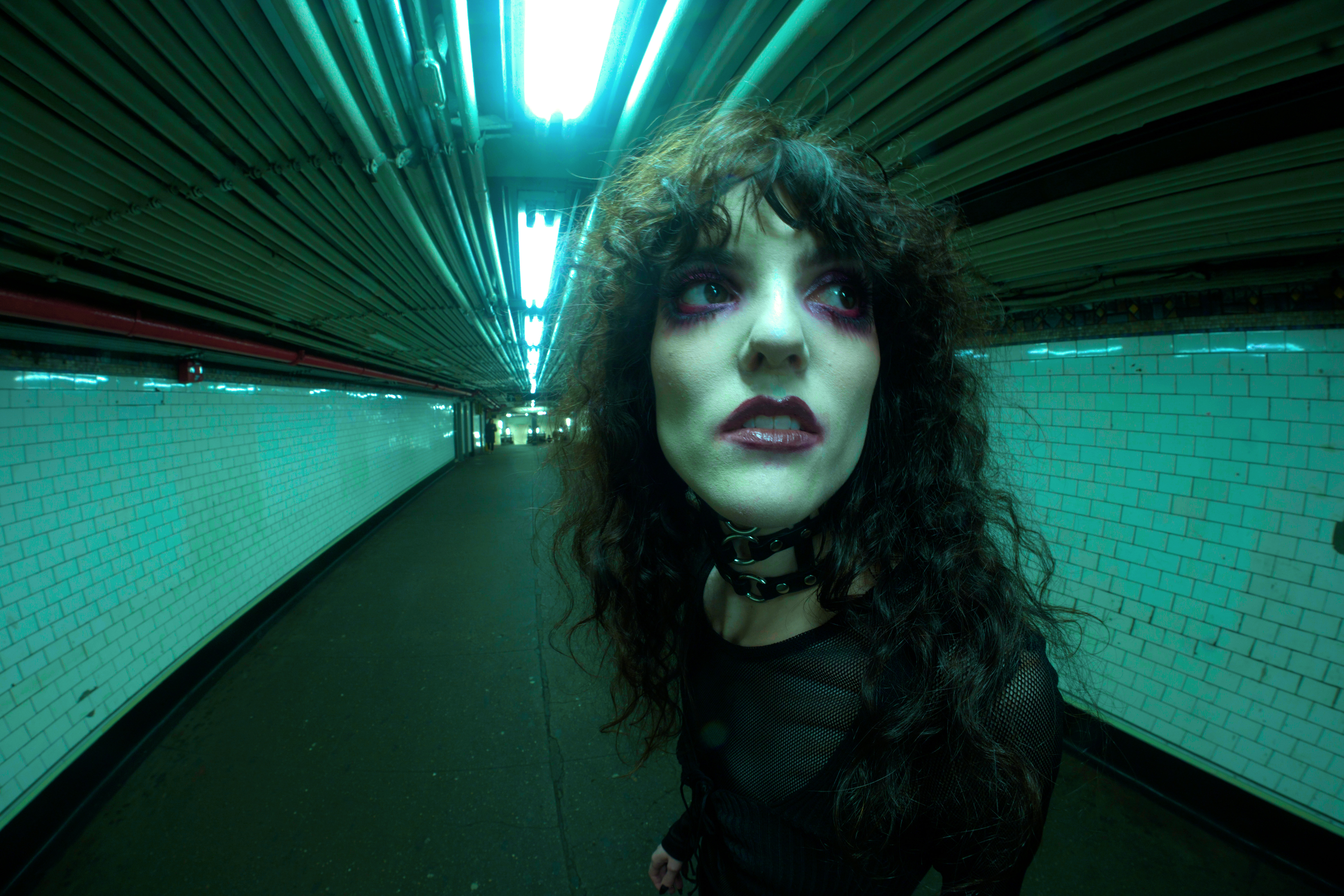
Stylized color grading is absolutely the number one priority for Fevergoth: Kuru. It blows my mind that modern filmmakers have decided to get so boring with that aspect of visual storytelling.
The language of color grading speaks more to me than most other aspects of cinema. Like good sound design, color grading is such an important key to evoking emotions that a lot of filmmakers seem to put on the back burner or treat as an afterthought.
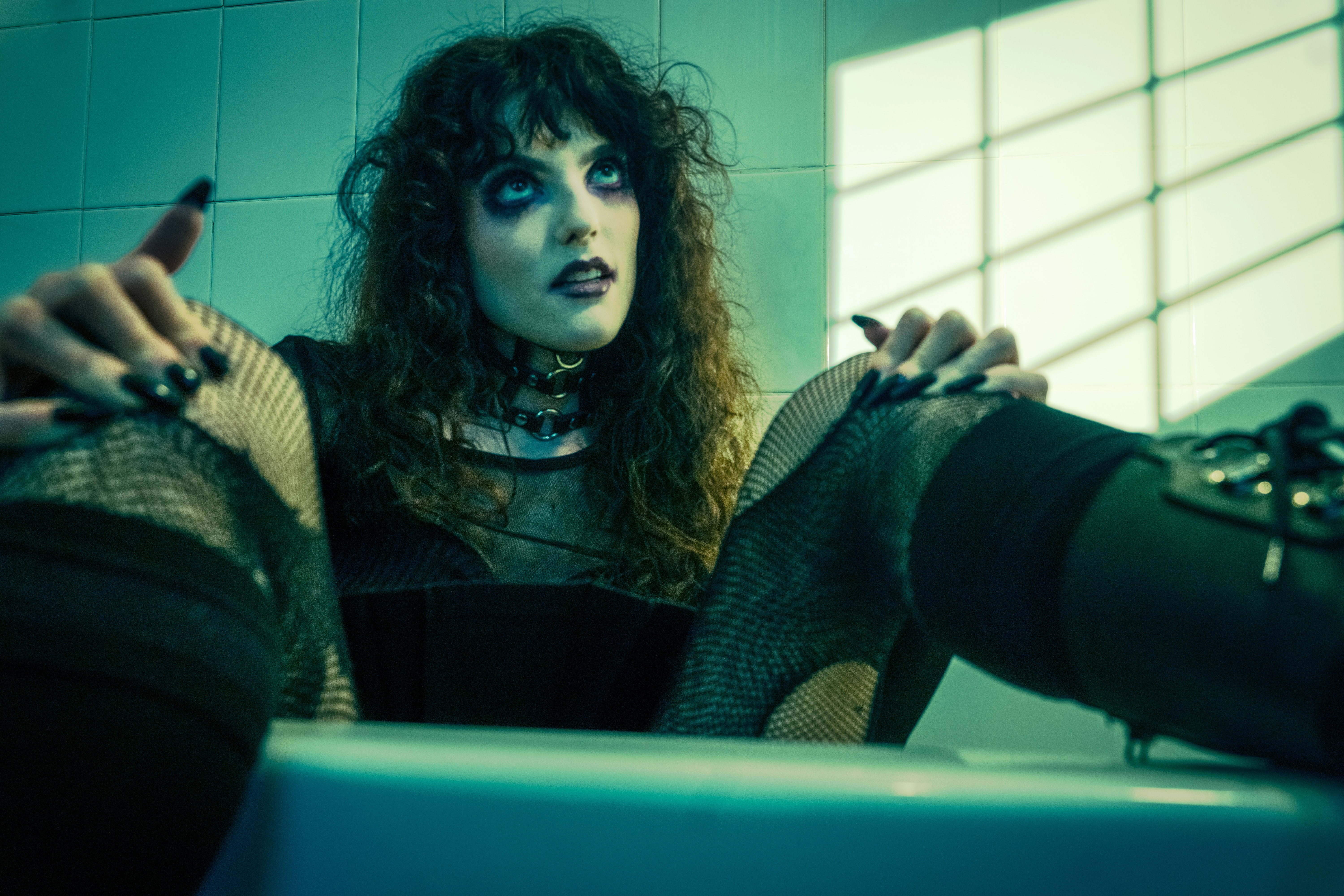
We’re also shooting some test footage with outdated digital cameras that no professional filmmaker would dare to use in this day and age. We’ll see if that makes the cut. The key is to find the perfect balance between jarring and stylized.
While contemporary horror has been heavily inspired by the retro aesthetics of the ’70s and ’80s — seen in films such as Terrifierand Mandy— you suggest the next evolution could come from the early-2000s nu-metal era. What makes that period ripe for reinterpretation today?
The music. Nu metal had been a shameful thing to admit to liking back in the day. I saw mentions of it bubbling on websites like Tumblr, and accounts like Korzkit (Korn + Limp Bizkit) started reintroducing me to nu-metal deep cuts.
But it wasn’t until music influencer Holiday Kirk really led a full-on head charge on the internet, introducing an entirely new generation to this music. Now we have Limp Bizkit and Korn back to playing to crowds the size of cities.
The nu-metal revolution is back, investors just gotta get with the program and take a risk on trying something weird.
Your upcoming short Fevergoth: Kuru aims to capture the attitude, sound, and visual language of that moment in pop culture. Could you tell us more about the concept of the film and how those influences shape its tone and style?
Without giving too much away, it’s about cannibalism, repressed emotions, and limerence. Those three pillars give us much to connect to nu metal.
Aristotle viewed art depicting negative states as beneficial to the soul, allowing us to purge and process these emotions, which is how I feel about nu metal.Fevergoth: Kuru is a purging of emotions, wrapped in a gross, bloody exterior.
Nu-metal itself was a fusion of multiple musical traditions — metal, rap, industrial, funk — creating something hybrid and rebellious. Do you see a similar kind of genre-blending happening in modern horror cinema?
Horror has always been the bravest of the genres. There are no rules, and every time someone lays them down, they are immediately broken.
The magic of horror is its malleability. Horror is always ripe for genre-blending. You want a romance? Check out Coppola’s Dracula. You want a family drama? Hereditary is right there. You want a comedy? Shaun of the Dead.
I don’t believe there’s a single genre mix-up that horror fans wouldn’t give a chance.
Finally, you mentioned drawing inspiration from various bands and films connected to that cultural moment. Which artists, filmmakers, or specific works have had the greatest influence on your vision for Fevergoth: Kuru?
For this particular project, I’m looking more towards music for the influence. I’m taking my influences from Korn, Slipknot, Kittie, etc.
Of course, there are movies I’m pulling from: Spawn, Resident Evil, Saw, and most importantly Queen of the Damned. Queen of the Damned is the gold standard for nu-metal cinema in my book.
These influences sometimes draw confused looks from film bros, but hopefully they’ll get it when they see it. Sometimes I worry that there are too many filmmakers who are looking towards the same films and filmmakers as their influences. Too many people are kneeling to the same sacred cows.
If nu metal taught me anything, it’s to find power in what you’re told not to touch and to look outside of what you’re supposed to do. Like the early 2000s, we live in a time of unexpected and chaotic change. If there’s ever a time to be bold and try something new, it’s now.
EPILOGUE
With Fevergoth: Kuru, Orin Black is not simply revisiting the aesthetics of the nu-metal era — he’s reclaiming its emotional honesty, chaos, and unapologetic individuality for a new generation of horror cinema. Blending aggressive visual experimentation with themes of repression, rage, and vulnerability, his work stands as a reminder that horror remains one of the few genres where rebellion still feels alive.
To follow Orin Black’s upcoming projects and the evolution of Fevergoth: Kuru, follow him on Instagram at @orin_black_film.
© 2026 Sinister Magazine. All Rights Reserved.


Leave a Reply