
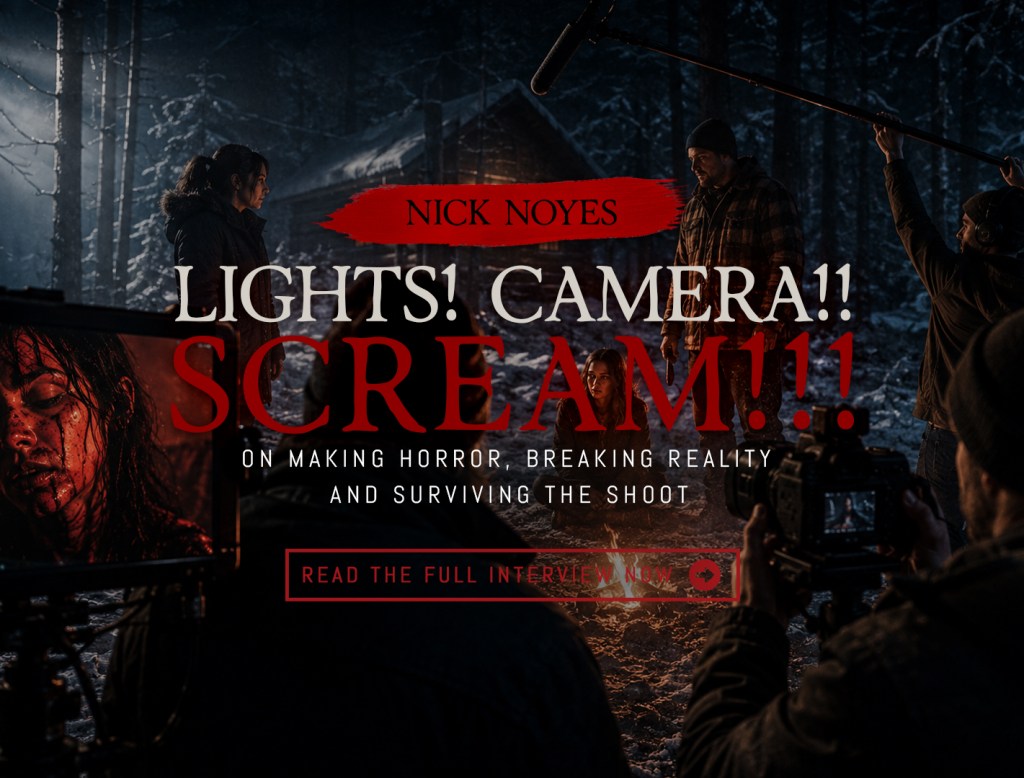
Raised on DIY ethics and a steady stream of gloriously over-the-top horror from the 1990s and early 2000s, filmmaker Nick Noyes has built a creative voice fueled by unpredictability, raw energy, and a deep love for independent horror cinema. As one half of A Part of the Chaos and a founding member of Jackal Factory Productions, Noyes embraces the spirit of genre filmmaking at its most chaotic and authentic — where creativity thrives under pressure and limitations become part of the storytelling itself.
His latest project, Lights! Camera!! Scream!!!, blurs the line between fiction and reality through the story of three friends attempting to make a horror film in the woods, only to discover that the experience itself may be far more terrifying than the movie they planned to shoot. Combining found footage, self-aware humor, psychological tension, and real production struggles woven directly into the narrative, the film becomes both a horror story and a reflection of the independent filmmaking process itself.
In this interview with Sinister Magazine, Nick Noyes discusses the origins of the project, the strange overlap between real life and fiction during production, the enduring power of isolated woodland horror, and why DIY horror filmmaking continues to create some of the genre’s most unpredictable experiences.
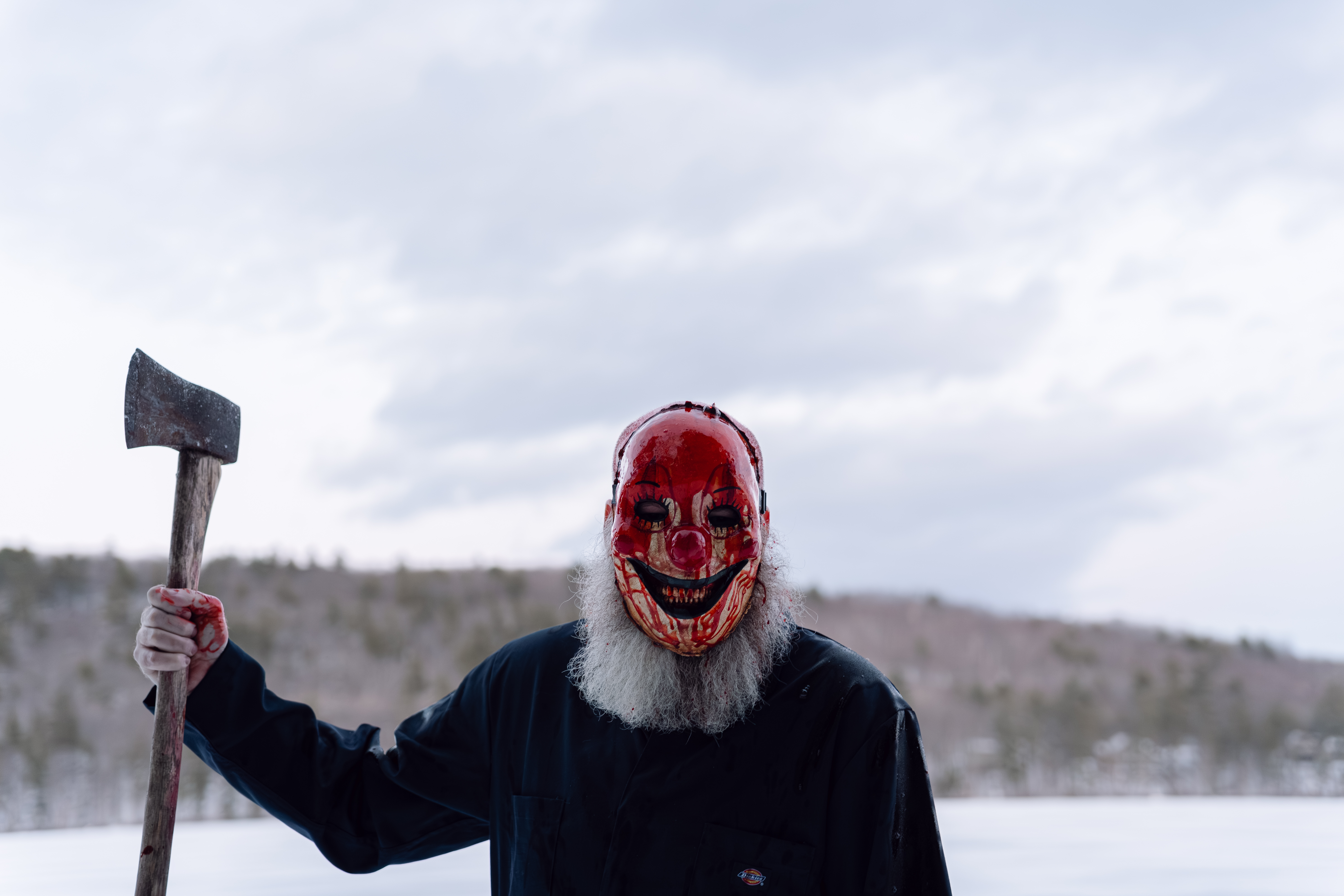
Lights! Camera!! Scream!!! explores the story of three friends who venture into the woods to shoot a horror film, only to discover that the experience becomes more terrifying than the film they planned to make. What first inspired this concept?
We were actually set to make a completely different film. That project was designed to shoot mostly at night, and as we were gearing up, I half-jokingly pitched an idea to Shannon Sullivan (who plays Mercy) about making a fake behind-the-scenes documentary during the day that secretly turns into a found footage horror film… so two feature films at once.
Shannon immediately was down and really had the confidence we could make a feature film long before I did. Then once we started talking it through as a group, it became clear it was the better movie, and an amazing foundation to bring in all these different horror elements that we loved, so we ditched the first idea and dove headfirst into Lights! Camera!! Scream!!!
Horror films that explore the filmmaking process itself often blur the line between fiction and reality. What drew you to this meta approach to storytelling?
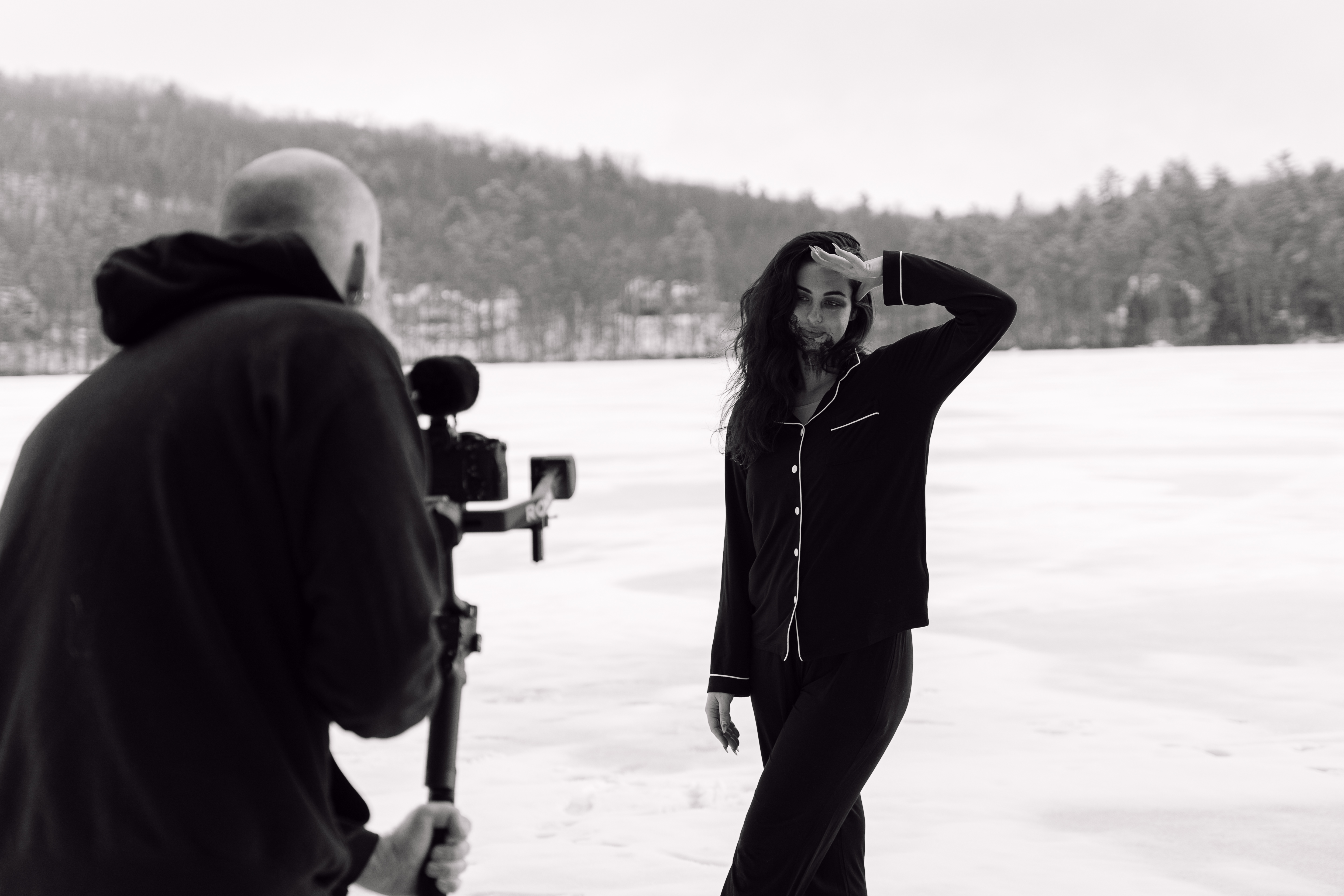
Megan Wynd (who produced and shot the film) and I first bonded over horror that doesn’t take itself too seriously, and we wanted to lean into that. We let the characters act a lot like we do, making jokes about what would happen “if this were a horror movie,” and even explaining to one of the actors why horror is such a special genre.
In addition to that, we both come from a documentary background. That really shaped the approach. We knew we could bring a level of authenticity to the film that would ground everything in reality and then blur the lines between the behind-the-scenes footage and the film they’re actually trying to make.
So the audience is constantly questioning what’s real, what’s staged, and when that line quietly disappears altogether.
You mentioned that the film reflects many of the real challenges of producing a low-budget horror movie. In what ways did your actual production experience shape the story or tone of the film?
A lot of the film is pulled directly from our real experience making it, even with the director of the film abandoning his original idea to make the BTS documentary the actual film.
There’s a line early on where Danny (played by Dave Schweitzer) is talking about the fake blood we’re using and Shannon responds, “I love that you said in theory.” That moment is basically verbatim from my previous short, Fatal Harmony. We were setting up a big scene and had never used that kind of blood before, and Lena Kutscher, our lead, had the exact same reaction.
But as the shoot went on, the overlap between the film and reality got a little eerie. On day four, I genuinely tried to quit. Megan and I briefly met, talked it out, and thankfully she talked me down, and we kept going. Then, a few scenes later, we were filming a moment that had been scheduled for months where Danny, the director in the film, tries to quit, and Sam, the editor (played by Aria Bryan), talks him back into it.
Megan and I were on the ground off-camera to stay out of the shot, and we just locked eyes. It was one of those moments where we both realized this literally just happened to us earlier that day.
In a strange way, Lights! Camera!! Scream!!! almost became a behind-the-scenes documentary of itself because so many of the real emotions and struggles from the cast and crew ended up echoing inside the story.
The setting of the woods has long been a powerful backdrop in horror cinema. What made this environment the right choice for the story you wanted to tell?
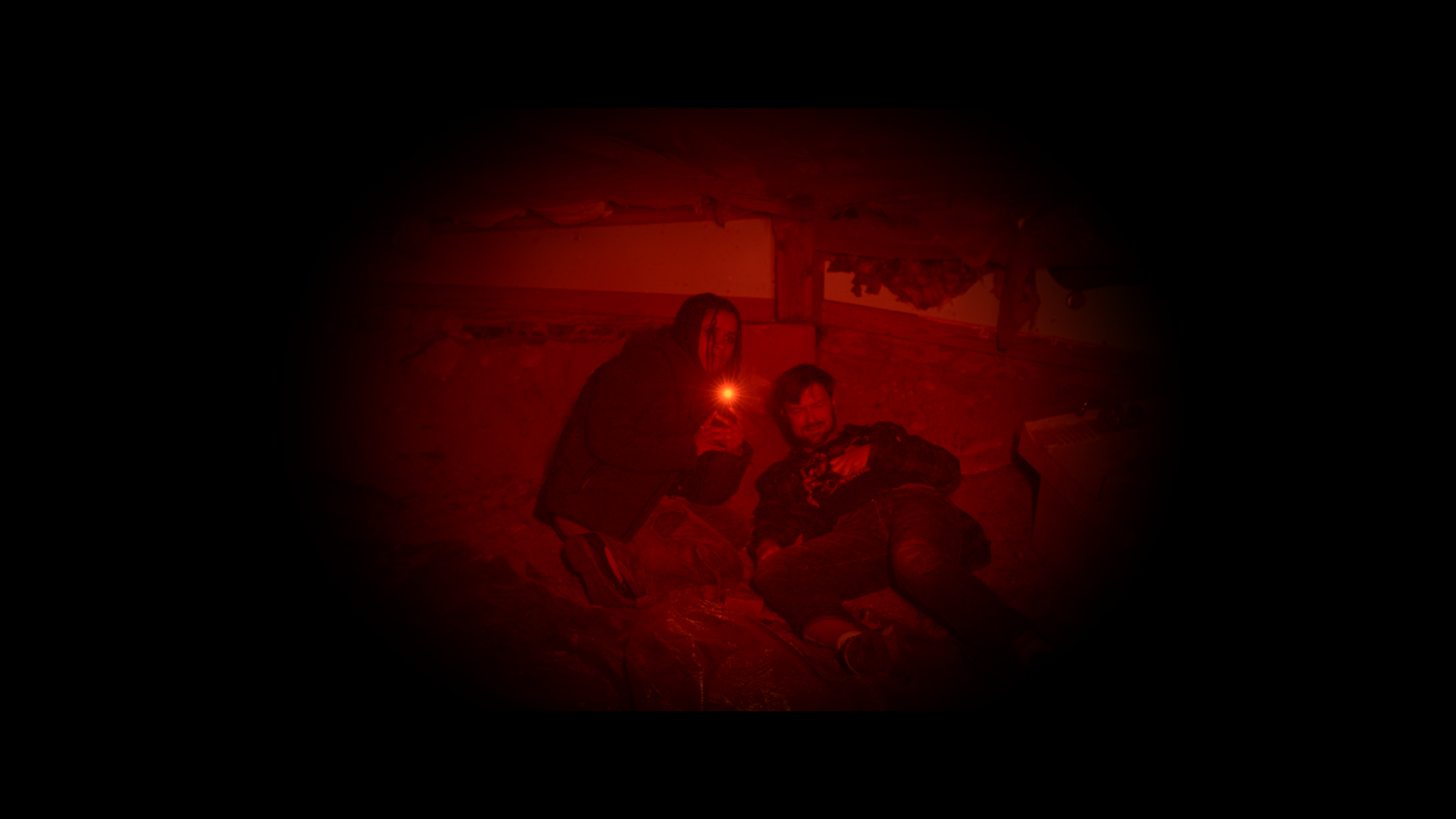
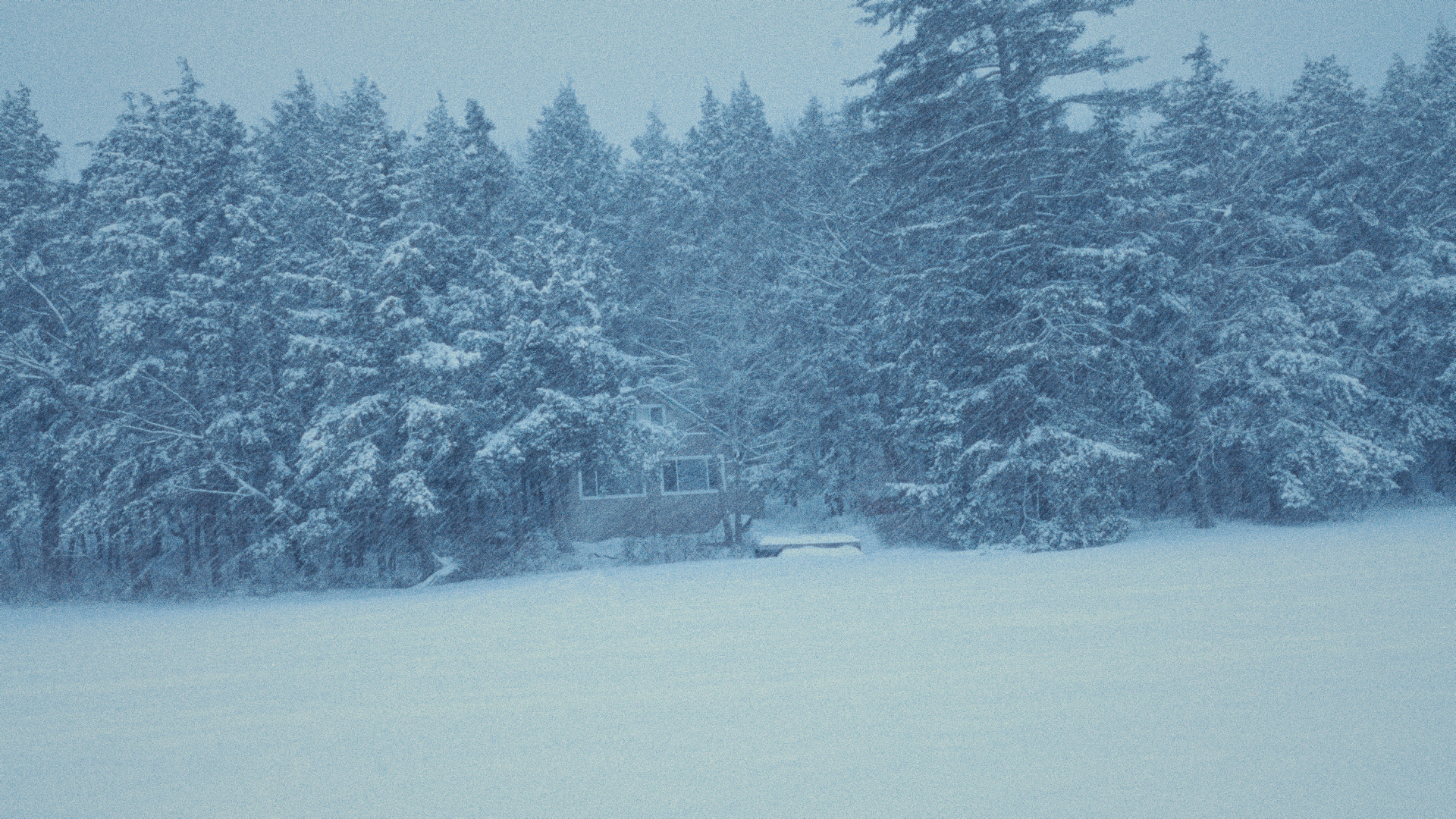
With a small budget and limited horror tricks at our disposal, the location had to do a lot of the heavy lifting. The woods, the snow, and the cabin immediately gave us a built-in sense of isolation.
“Cabin in the woods” is its own subgenre in horror. Any horror fan brings a whole history of expectations when they see a group of friends heading to a remote cabin.
We were very aware of that, and we used those expectations to our advantage to slowly build dread and suspense before the film begins to twist into something else, with the crew realizing that whatever story they’re trying to film in those woods might already belong to something else.
Independent horror productions often require a great deal of creativity and resourcefulness. What were some of the biggest challenges you faced while making the film, and how did you overcome them?
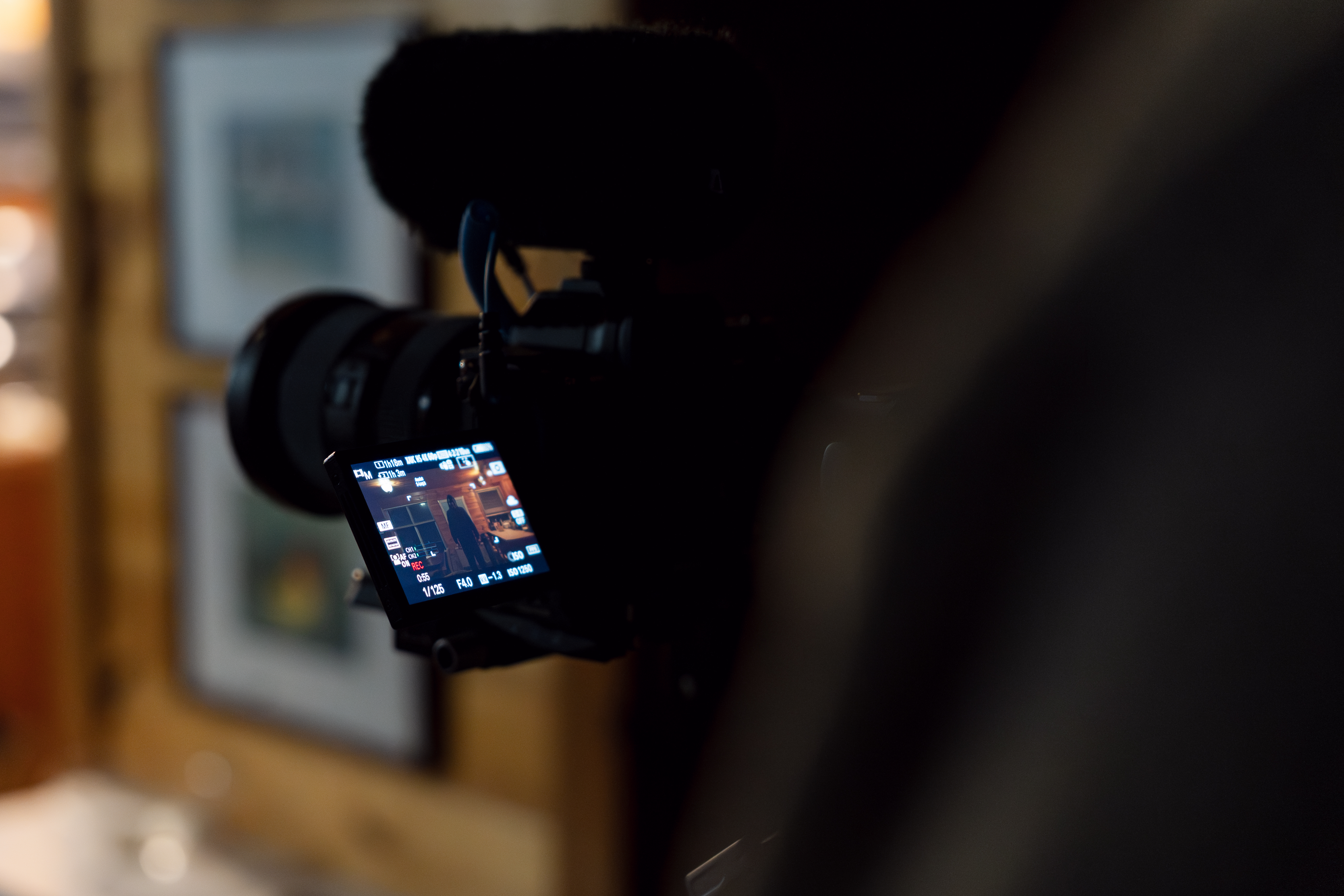
In the film, the crew had an eight-day shoot… we had seven. And we were moving fast. On average, we had about an hour per scene, with maybe 30 minutes to rehearse, block, and figure out the camera before rolling. Then we’d get three or four takes if we were lucky and move on.
What made that possible was the cast. Aria, Shannon, and Dave are all writers and directors themselves, so if something wasn’t working, we could adjust in real time, find something more natural, and keep moving.
There was a ton of creative brainpower on set, and that’s honestly how we survived the schedule. Without them, there’s no way we could have made the film in the time we had.
Since the film deals with characters attempting to make a horror movie, how did you approach balancing suspense and humor with the self-aware aspects of the narrative?
In indie horror, tension is really your most valuable tool. That was always our main focus. When it came to humor, we discovered something interesting during production: any jokes that were winks to the audience just didn’t work, so we cut almost all of them.
It’s still a comedic movie in many ways, but some of the funniest moments come from the crew arguing or cracking under pressure. Even a few of the scares have gotten solid laughs in test screenings.
One of my favorite moments is a fight between Shannon and Dave at a pivotal point in the film. The entire scene was completely improvised on the spot. I said, “We need a reason for Dave to take Shannon’s phone,” and they just unleashed on each other while Megan and I were just off-camera trying desperately not to laugh so we wouldn’t ruin the take.
As you approach the final stages of post-production, what are you most excited for audiences to experience when they finally see Lights! Camera!! Scream!!!?
I think this film has a few moments where, if I paused it and asked the audience what they think is about to happen next, no one would guess correctly. But those turns feel earned — they make sense within the world of the film.
We’re not pulling the rug out from under the audience just to shock them. We’re just keeping them on their toes. Every time you think you understand the movie, it shifts and kind of rots into something else entirely.
We made this film for the horror film festival audience. It starts fast and doesn’t let up, and one can absolutely watch it just for the scares, but there’s also a more cerebral layer to it, something to get people talking in line for the next film.
But ultimately Lights! Camera!! Scream!!! is about three friends going into the woods to make a film, which was made by five friends going into the woods to make a film, and it’d be cool if this film inspires others to make films with their friends.
EPILOGUE
With Lights! Camera!! Scream!!!, Nick Noyes embraces the unpredictable spirit of independent horror filmmaking, turning real production struggles, friendship, improvisation, and chaos into part of the horror itself. Blending self-aware comedy, found footage tension, and genuine emotional authenticity, the film captures the energy of DIY horror in its purest form — raw, inventive, and deeply personal.
To follow the latest updates on Lights! Camera!! Scream!!! and future projects from A Part of the Chaos, visit http://www.apartofthechaos.com and follow @apartofthechaos on Instagram.
© 2026 Sinister Magazine. All Rights Reserved.
BTS Stills by Megan Wynd
Still Frames shot by Megan Wynd


Leave a Reply