
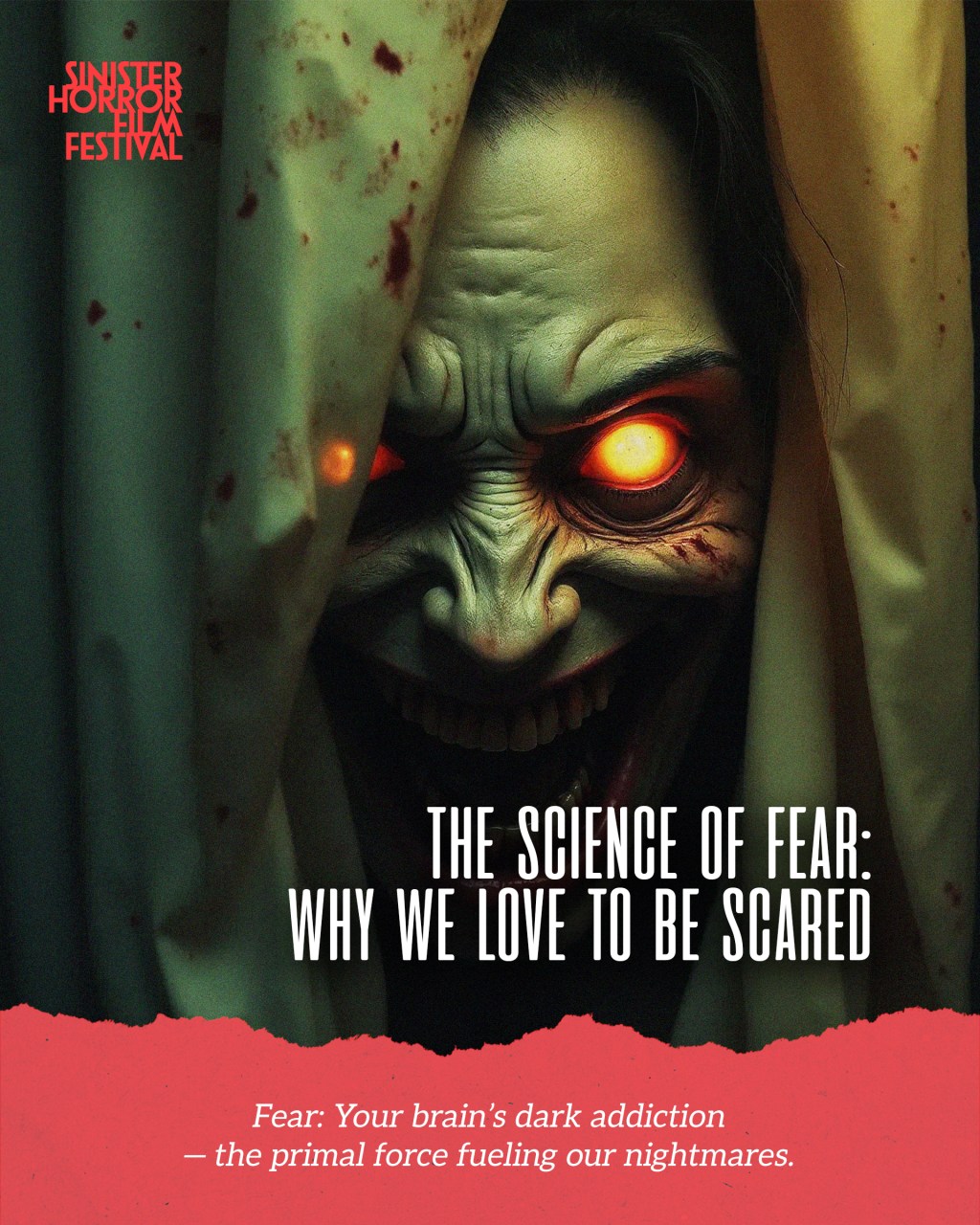
Fear is an emotion deeply ingrained in the human experience. It’s primal, instinctual, and often unavoidable. Yet, paradoxically, we seek it out. From haunted houses to horror films, we willingly immerse ourselves in terrifying experiences. But why? What is it about fear that fascinates us, and why do we enjoy being scared when we know we’re safe?
The answer lies in the intricate workings of the human brain.
The Brain on Horror
When we encounter fear—whether it’s a masked killer on screen or an unseen presence lurking in the shadows—our brain reacts almost as if the threat were real. The amygdala, the region responsible for processing fear, instantly kicks into action, signaling a fight-or-flight response. This reaction floods our body with adrenaline, increasing heart rate and heightening our senses. Alongside this surge comes a release of endorphins and dopamine, chemicals associated with pleasure and relief.
This biochemical roller coaster explains why horror is so exhilarating. Like riding a high-speed coaster or skydiving, horror movies offer a controlled adrenaline rush—a chance to experience danger without real consequences. We’re not truly at risk, yet our body responds as if we were. It’s the ultimate thrill, a safe way to dance with fear.
Horror as Catharsis
Beyond the rush, horror serves another psychological function: catharsis. Watching terrifying scenarios unfold allows us to confront our deepest anxieties in a controlled environment. In a way, horror movies give us a safe space to process fear. They tap into universal themes—death, the unknown, the loss of control—and force us to engage with them from the safety of our couch or cinema seat.
This might explain why people often feel a sense of euphoria after a particularly intense horror film. The fear fades, but the high remains. For some, it’s even therapeutic—providing an outlet to release tension and stress in a way few other genres can.
The Evolutionary Advantage of Fear
From an evolutionary standpoint, our love for horror may be linked to survival instincts. Fear has always been essential for detecting threats and ensuring self-preservation. Those who were more attuned to fear had a better chance of surviving in the wild. Over time, humans have evolved to be drawn to fear-inducing stimuli as a means of understanding and preparing for danger.
In a modern context, horror allows us to practice our responses to fear in a risk-free environment. Whether it’s learning how to outmaneuver a supernatural entity or deciphering the mind of a serial killer, horror can make us feel more prepared for the real-life unknown.
What’s Your Scare?
Of course, not all horror fans are drawn to the genre for the same reasons. Some crave the psychological complexity of slow-burning thrillers, while others revel in the visceral shock of slashers and body horror. Ghost stories, cosmic horror, creature features—each subgenre taps into different fears and different aspects of the human psyche.
Ultimately, horror isn’t just entertainment. It’s an experience—one that connects us to our most primitive emotions, allows us to test our limits, and, in the end, reminds us that we are very much alive.
So, what was the last horror movie that truly sent chills down your spine? And more importantly—why did you love it?


Leave a Reply