
Horror has always thrived on the unknown—on the eerie sensations that creep in when the world feels just a little too quiet, a little too off. For Tymothy Tagliaferro, this unsettling feeling became the spark for Lilith: Return of the Night Monster, a film deeply rooted in an uncanny real-life experience. A chance encounter with a mysterious painting in an antique shop set the wheels in motion for a horror story that blurs the lines between the supernatural and psychological terror. Alongside his co-writer Todd, Tymothy delved into the haunting possibilities of fear itself, crafting a narrative that lingers long after the credits roll.
A Chance Encounter with a Cursed Painting
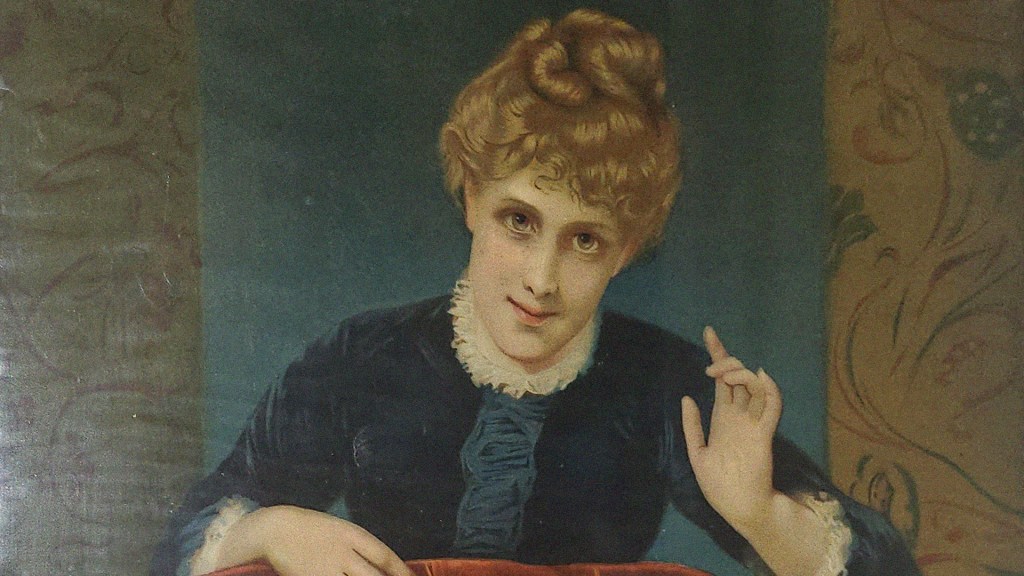
The moment in the antique shop was both surreal and unsettling—much like the world itself during the COVID pandemic. After months of isolation, my wife and I finally ventured out, and we found ourselves in an antique shop that would ultimately inspire several elements of our screenplay: Mr. Gallows, Hoban House Antiques, and of course, the painting.
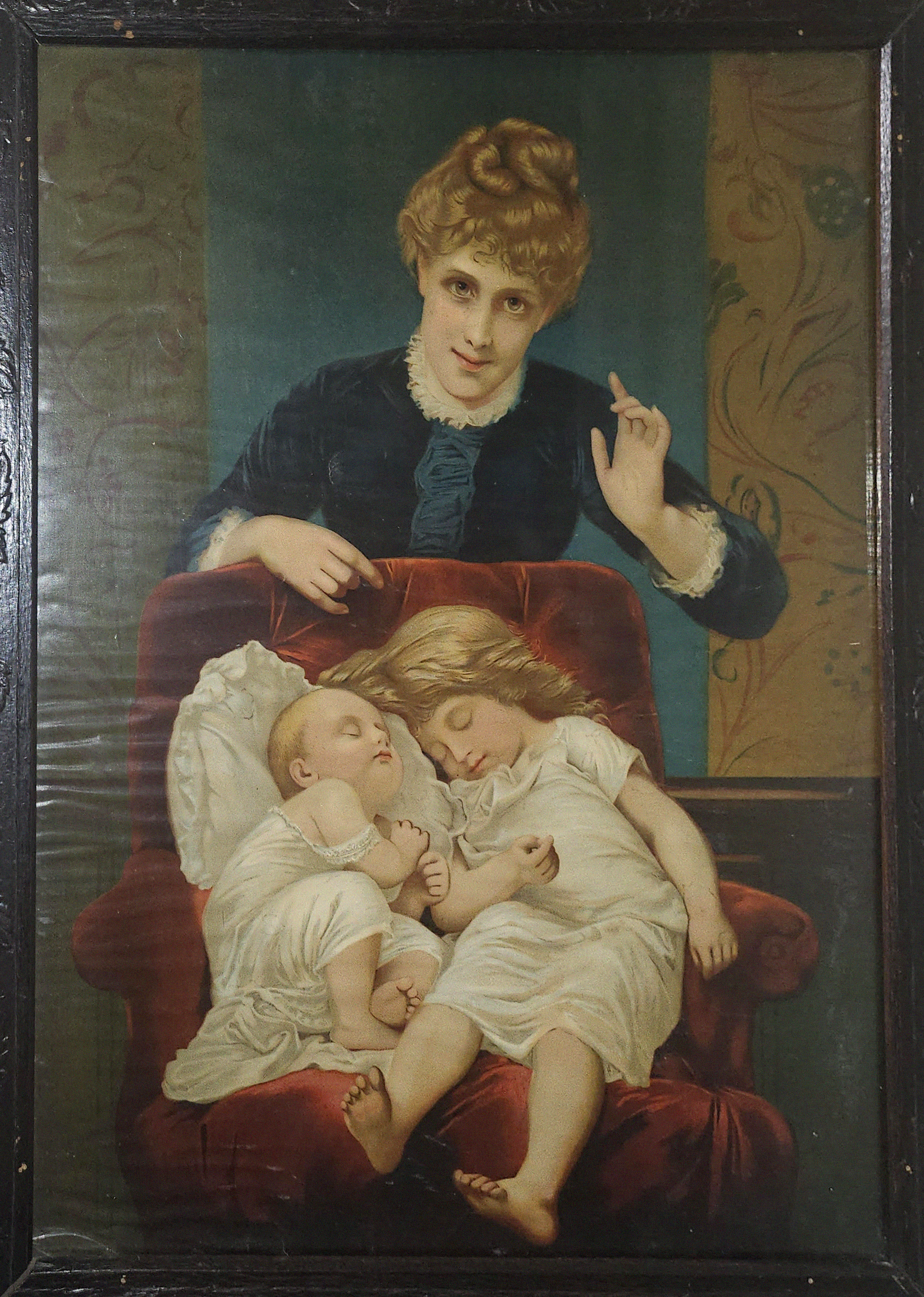
Amid a room filled with automotive parts and memorabilia, I noticed something completely out of place—a painting. It wasn’t just misplaced; it felt wrong. The woman in the painting had piercing eyes that seemed to follow me no matter where I moved. It was an eerie, almost supernatural experience. I took a picture of it with my phone, and even then, the image retained that same unsettling presence—as if it was watching me through the screen.
That feeling stuck with me, and I used it to pitch an idea to my friend and co-writer Todd. From that single moment, Lilith was born. The unease, the mystery, the way something seemingly ordinary could exude such an ominous energy—it all became the foundation of Lilith’s story. Eventually, we went back to the shop and brought the painting home. Now, it’s not just an artifact from that strange time—it’s a piece of the inspiration that brought our story to life.
Balancing Careers in Education with the Art of Screenwriting
Balancing our careers in education with writing this screenplay was anything but easy. Neither of us had the luxury of stepping away from our professional responsibilities, and on top of that, we were completely new to screenwriting. With Todd in St. Louis, Missouri, and me in Cleveland, Ohio, our process relied heavily on texting, emails, and countless Zoom meetings.
To stay on track, we treated the process like school—setting a weekly schedule, assigning homework, conducting research, and constantly reviewing and revising. Every Zoom meeting was recorded so we could revisit discussions, and I kept a handwritten notebook documenting every meeting, idea, and change along the way.
When Todd was able to be in Ohio, the writing and editing process became more seamless, but sticking to a structured calendar, setting deadlines, and holding each other accountable made all the difference. It was a long journey—one filled with late nights and plenty of revisions—but it was also an incredibly fun and rewarding experience.
A Horror Story Rooted in Reality
For me, Lilith: Return of the Night Monster was never just about supernatural horror—it was about fear itself. The unsettling truths that creep into our daily lives, the unspoken horrors hiding in plain sight, and the idea that sometimes, the real monsters aren’t the ones lurking in the shadows, but the ones we refuse to acknowledge.
One of our biggest goals was to make this a believable movie. We didn’t want Lilith to exist in some fantastical realm where the audience could easily separate themselves from the horror. Instead, we wanted them to question the characters, question the reality of what’s happening, and feel the weight of the unknown. The painting I encountered in the antique shop was truly startling, and it felt like it had a story waiting to be told—for us, it just wasn’t a happy one.
Stylistically, we drew inspiration from films like Insidious, The Conjuring trilogy, Sinister, and The Amityville Horror, which all excel at blending the supernatural with a creeping sense of realism. The fear in those movies doesn’t come from excessive jump scares—it lingers, it builds, and it makes you question whether something like this could happen in your own home. That’s exactly what we wanted to achieve with Lilith.
The Cursed Painting and Its Role in the Narrative
The cursed painting is truly the heart of Lilith: Return of the Night Monster—both literally and figuratively. It’s not just a haunted object; it’s a window into something much darker, something that refuses to be ignored. From the moment the painting enters the story, its presence casts a chilling influence over the characters, amplifying anger, fear, and ultimately driving them toward death.
What makes the painting so powerful in the narrative is the way it acts as a conduit for Lilith—a gateway to something ancient and evil. As the story unfolds, we drop subtle hints about the origins of the painting, who the figures in it are, and most importantly, the horrifying intentions behind Lilith’s curse. It’s not just about a haunted object—it’s about history, revenge, and the long-forgotten truth that’s trapped inside.
While this film stands on its own as a spine-tingling horror experience, it’s also been crafted as the second installment in a three-part saga. The first film would explore Lilith’s origins, digging into the lore behind her cursed existence, revealing how she became the malevolent force tied to the painting. The third film would pick up directly after Return of the Night Monster, exploring what happens next for Lilith, her painting, and the unfortunate souls who cross her path, setting the stage for even darker and more terrifying consequences.
Overcoming Challenges as First-Time Screenwriters
As amateur screenwriters, one of the biggest challenges we faced while developing Lilith: Return of the Night Monsterwas simply understanding the complexity of the craft itself. We both come from backgrounds in education, not in film or screenwriting, so we were starting from scratch in terms of structure, pacing, dialogue, and the mechanics of writing a screenplay. There was a steep learning curve, and we had to embrace the fact that we weren’t going to get everything right on the first try.
The original storyboard had major differences from where we are today. There were different interactions, different endings for almost every character—but again, this was part of the process. We wanted to make the supernatural horror elements feel grounded in a believable reality, so that the audience could feel as though the events in the film could happen to them. This required us to be extremely intentional with the story we were telling and true to what we wanted Lilith to represent for our audience. Despite the challenges, it has been an incredibly rewarding journey, and the constant reworking helped us refine and solidify the vision we had for the film.
A Trilogy in the Making
Lilith: Return of the Night Monster is the second installment in a carefully crafted trilogy that immerses audiences in the dark and complex mythology of Lilith and the cursed painting that binds her. Our intention with this approach was to fully develop who Lilith is—captivating the audience with her presence—before diving into the origins of her cursed existence.
Though the first and third films are still in development, we’ve already mapped out the full arc of the trilogy and have begun partial storyboarding to ensure that each film fits seamlessly within the universe we’ve built for Lilith. Every installment will build on the others, each revealing more layers of the story and deepening the mystery.
Connecting with Audiences and the Future of Lilith
Our goal for Lilith: Return of the Night Monster is to immerse audiences in a chilling world where the supernatural and the everyday collide. We want viewers to experience the tension and fear that arise from what initially seems like an ordinary object—like the cursed painting—that turns out to be the gateway to something far more sinister.
As Todd moves back to Ohio later this summer, we’ll be working even more closely to shape the future of Lilith’s journey. As much as I would never wish anyone to encounter Lilith in real life, our hope is that someday audiences will encounter her on screen—and perhaps even in the pages of their favorite bookstores.
For those interested in following our journey, you can reach us via email at Lilith.TnTCreative@gmail.com. We’ll have updates in the future, so stay tuned for more!


Leave a Reply