
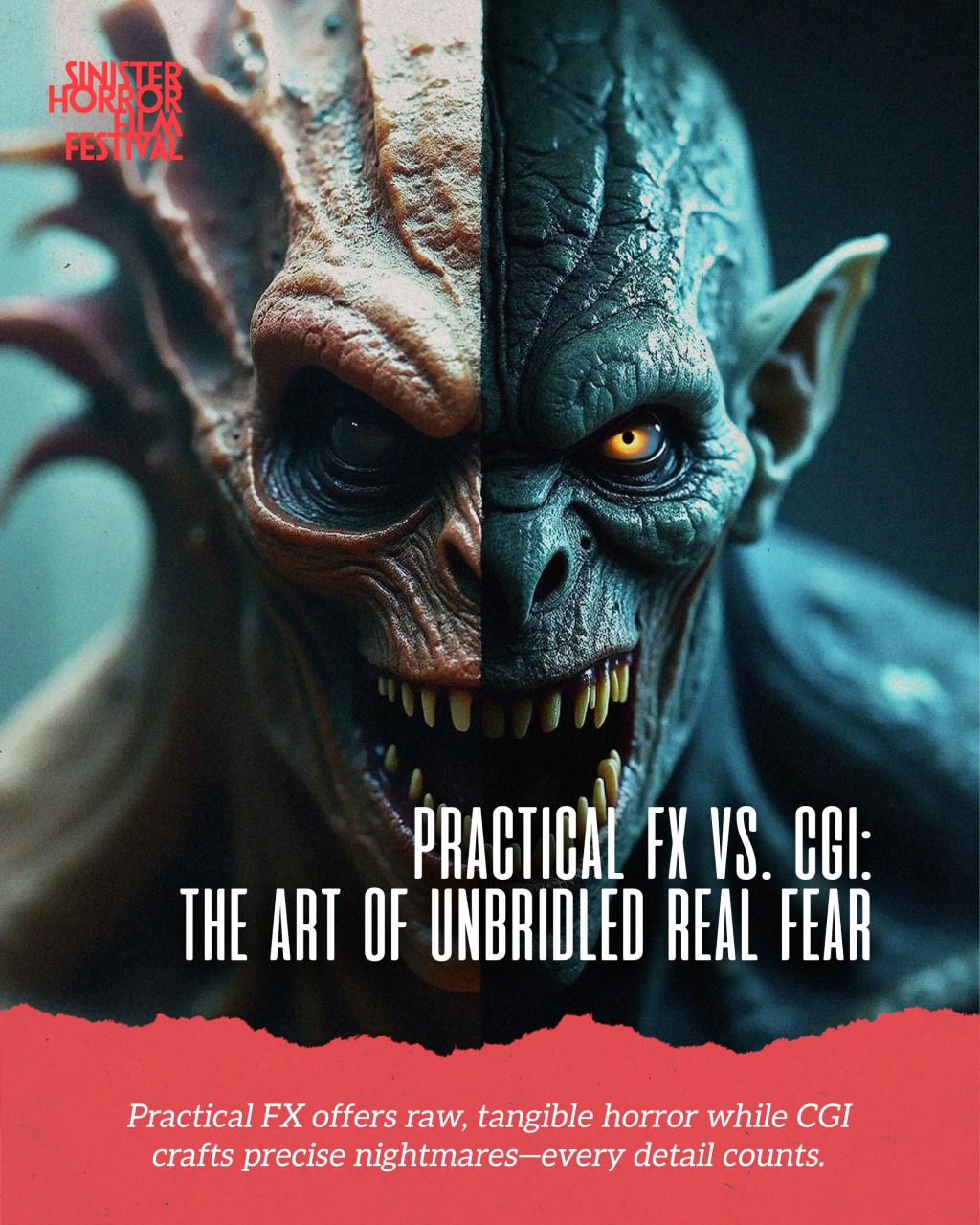
In the realm of horror filmmaking, few debates are as passionate as the one surrounding practical effects versus CGI. Both techniques have left an undeniable mark on the genre, but which truly captures fear in its most authentic form? While CGI has revolutionized visual storytelling, practical effects hold a visceral, tangible quality that continues to haunt audiences decades after their first appearance.
The Power of Practical FX: Fear You Can Touch
There’s something inherently unsettling about practical effects—rubber, latex, animatronics, and gallons of stage blood all working together to create nightmare fuel. These effects exist in physical space, interacting with actors and environments in ways that CGI often struggles to replicate.
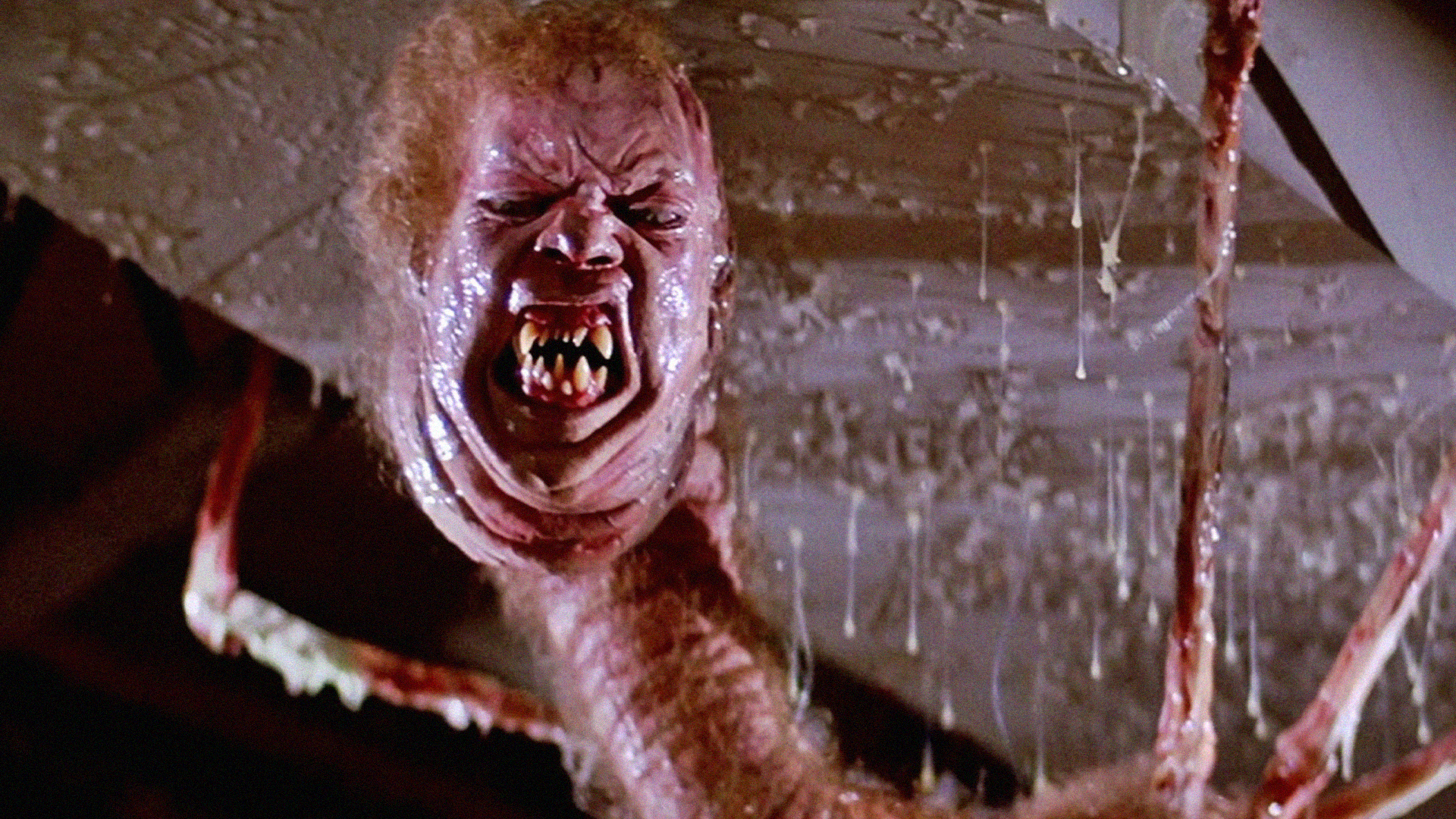
Take The Thing (1982), a masterclass in practical effects courtesy of Rob Bottin. The film’s grotesque, shape-shifting creatures still elicit awe and horror today, with their wet, pulsating textures and unpredictable transformations. Every tentacle, every monstrous mutation feels distressingly real, largely because they were physically there on set, reacting to light and shadows naturally. This tactile quality is something digital effects often lack.
Moreover, practical effects engage actors in a way CGI cannot. Imagine filming a horror scene where you’re face-to-face with an animatronic beast, its snarling jaws inches from your face. Now compare that to reacting to a tennis ball on a stick, later replaced by a digital monster in post-production. The former creates a deeper sense of immersion and realism, both for the performers and the audience.
The Agelessness of Practical Horror
Horror is one of the few genres where old-school techniques frequently outperform modern digital artistry. Why? Because CGI ages—sometimes poorly. What looked cutting-edge in the early 2000s (Van Helsing, The Mummy Returns) now feels clunky and dated, while practical effects from decades past still hold their ground.
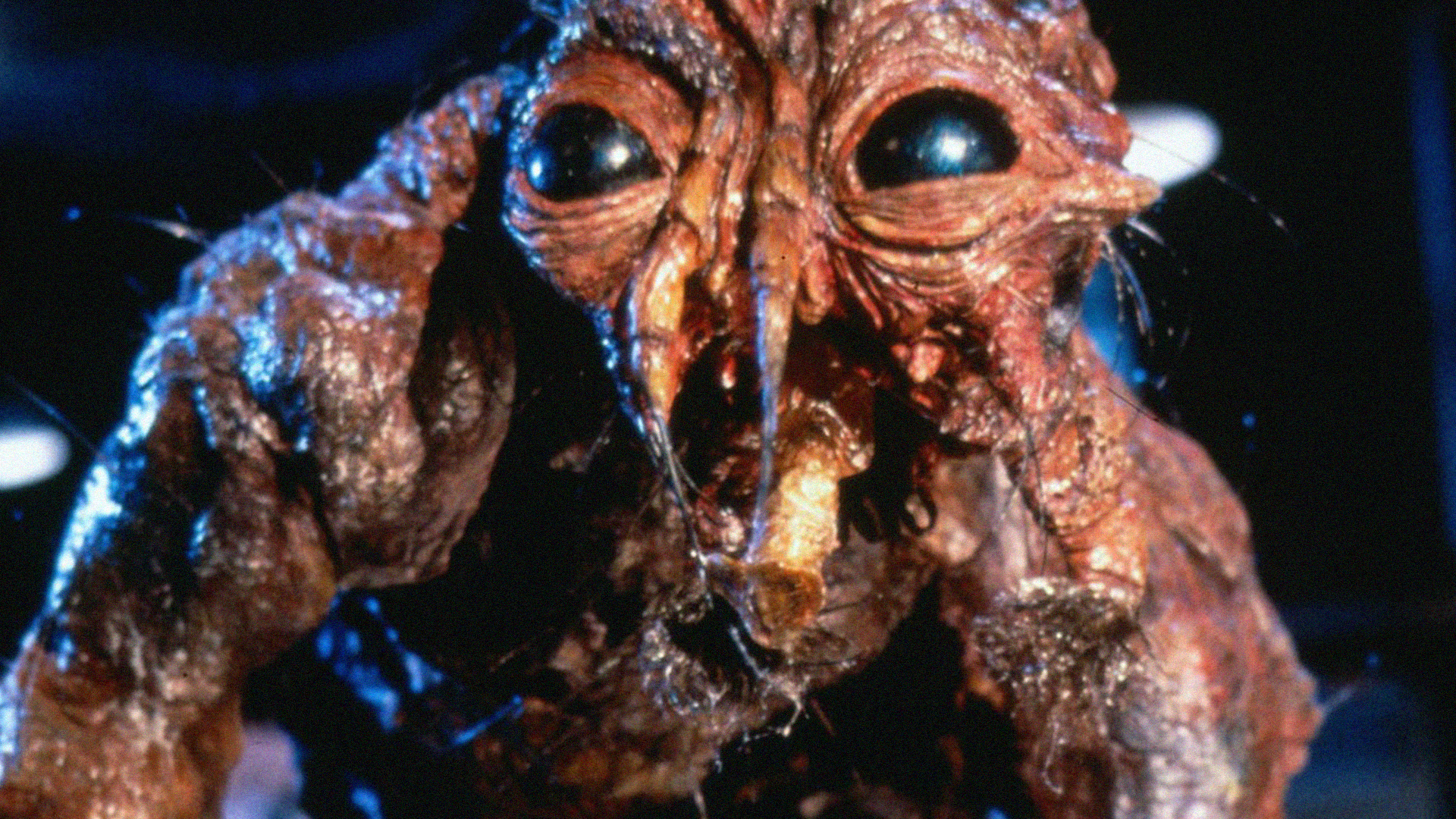
Films like An American Werewolf in London (1981) and The Fly (1986) showcase stunning transformations that remain unmatched in their gruesome detail. These sequences, built with intricate prosthetics and stop-motion wizardry, possess a weight and gravity that digital morphing often lacks.
Of course, CGI has its strengths. It allows filmmakers to craft larger-than-life horrors that would be impossible with practical methods alone. Films like It (2017) and The Conjuring series use digital effects to enhance supernatural entities, giving them an otherworldly presence. However, when overused, CGI risks pulling audiences out of the experience, making horror feel more like a video game cutscene than a terrifying reality.
Finding the Perfect Balance
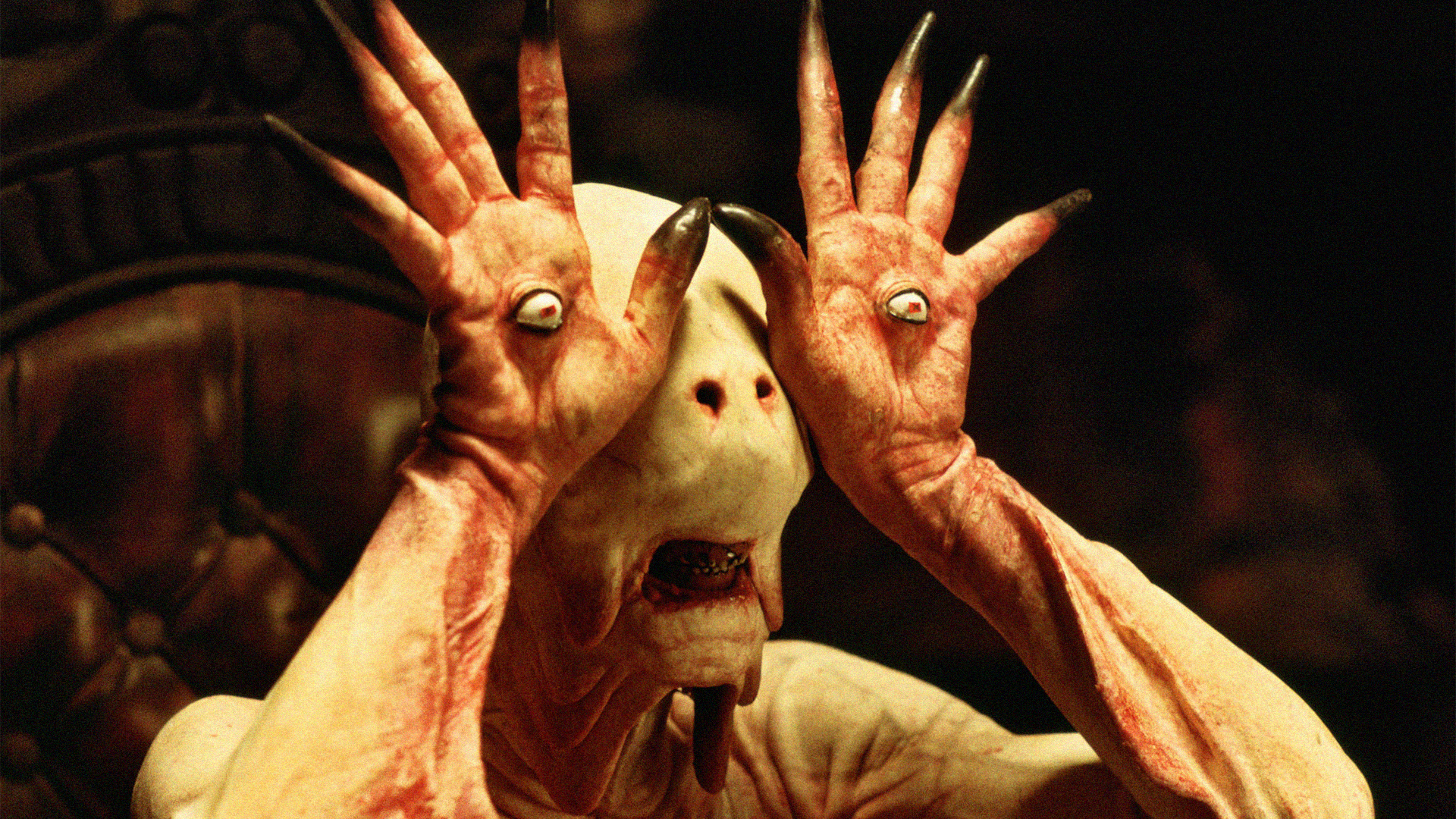
The best horror films don’t choose between practical effects and CGI—they combine them. Guillermo del Toro, a master of creature design, blends both techniques to create monsters that feel eerily alive. Pan’s Labyrinth (2006) and The Shape of Water (2017) use practical suits enhanced with subtle CGI tweaks, preserving a sense of physicality while expanding the creature’s expressiveness.
Similarly, The Exorcist: Believer (2023) relied heavily on prosthetic effects for its terrifying demonic makeovers, proving that modern horror still values the practical craft.
Which One Reigns Supreme?
At the end of the day, horror thrives on atmosphere, tension, and believability. While CGI allows for limitless possibilities, practical effects ground terror in reality, making it feel closer, more immediate, and ultimately, more terrifying.
So, what chills your blood more—the tactile horrors of practical FX or the limitless potential of CGI?


Leave a Reply