
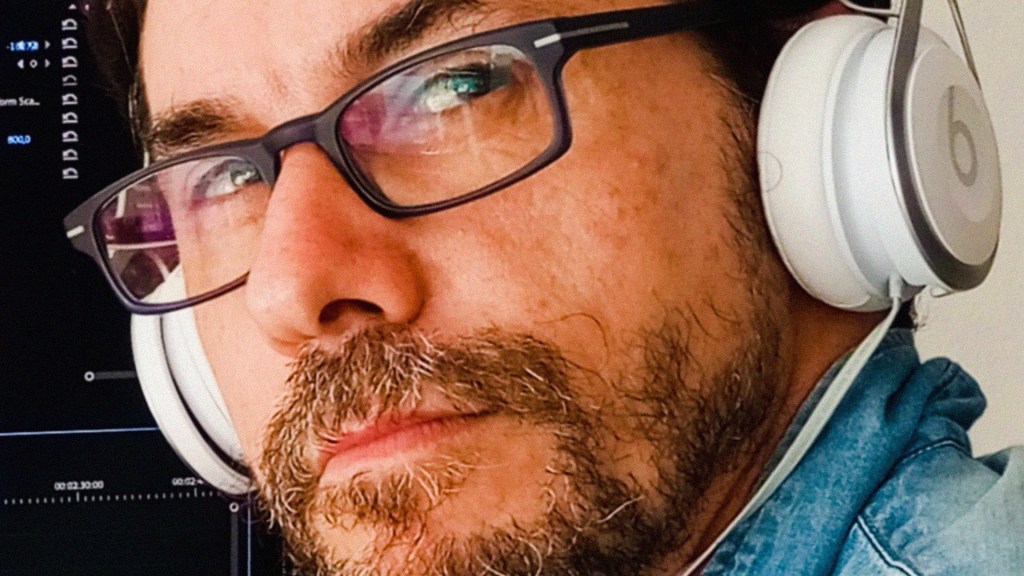
What happens when an everyday household object becomes the center of obsession, fear, and madness? The Washing Machine takes this unsettling premise and transforms it into a gripping short story-turned-screenplay, filled with tension and dark humor. Vincenzo Pandolfi, an award-winning writer, has crafted a tale where the mundane meets the macabre, earning recognition in Italy, the UK, and the USA—along with a prestigious Honorable Mention from our very own Sinister Horror Film Festival.
Beyond The Washing Machine, Pandolfi’s creative universe expands into even darker realms. His upcoming projects, TU(A)MORS and Car Cemetery, promise to push the boundaries of psychological and body horror, blending surrealism with visceral terror. In this exclusive interview, he takes us through the evolution of his work, the challenges of adapting stories for the screen, and what’s next for his unique vision of horror.
Prepare to dive into a mind where horror is not just a genre—it’s an obsession.
The Washing Machine began as a short story—what inspired you to adapt it into a screenplay, and what were the biggest challenges in the transition?
First, I want to greet your readers and thank you for the opportunity to present my work to the Mexican public. The Washing Machine was born as a very short story, only six pages long, and has always had a strong visual, almost comic-like component. From there, it was a short step to realizing its potential as a screenplay. Now, I’m working on a comic book version.
How did the core themes or messages evolve during the adaptation process?
The story evolved significantly in the transition from story to screenplay. The characters, no longer having a narrative voice to describe them from the outside, had to gain complexity through their gestures and expressions. Their words became sharper and more incisive.
What creative techniques did you use to preserve the essence of the original story while crafting it for the screen?
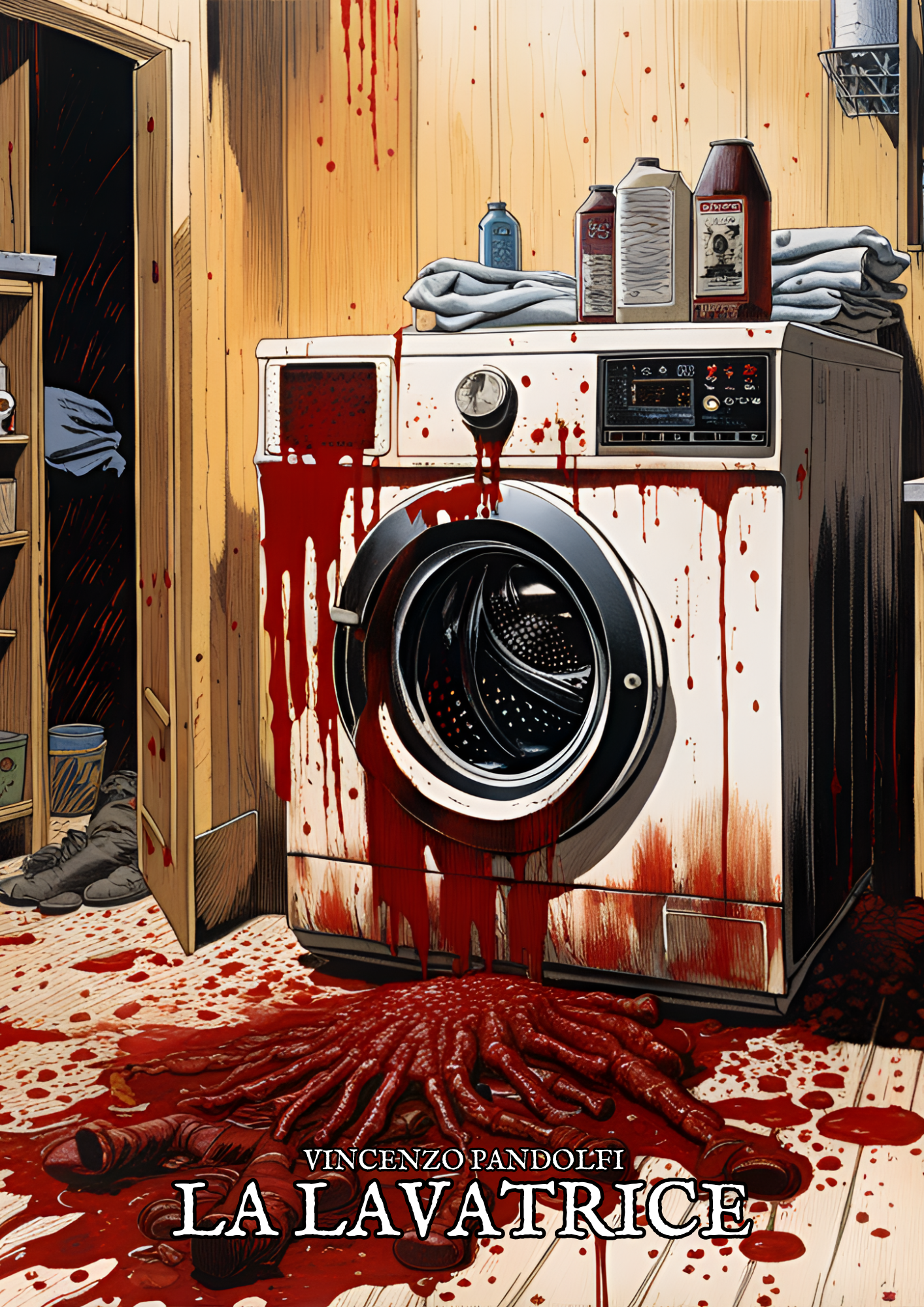
I believe that the fundamental aspect in each transition between different media is to preserve the profound spirit of the main characters. In this case, The Washing Machine revolves around a woman obsessed with her washing machine while struggling with two repair technicians. The narrative structure may change, but the character’s emotional journey remains intact.
Could you share a bit about TU(A)MORS and Car Cemetery? What are the central ideas driving these feature films, and how do they differ from The Washing Machine?
TU(A)MORS and Car Cemetery are two feature films I currently have in development.
TU(A)MORS is an obsessive nightmare, following an actor in crisis as he flees from a cursed script—imagine 8½ by Fellini, but reinterpreted through the lens of Clive Barker.
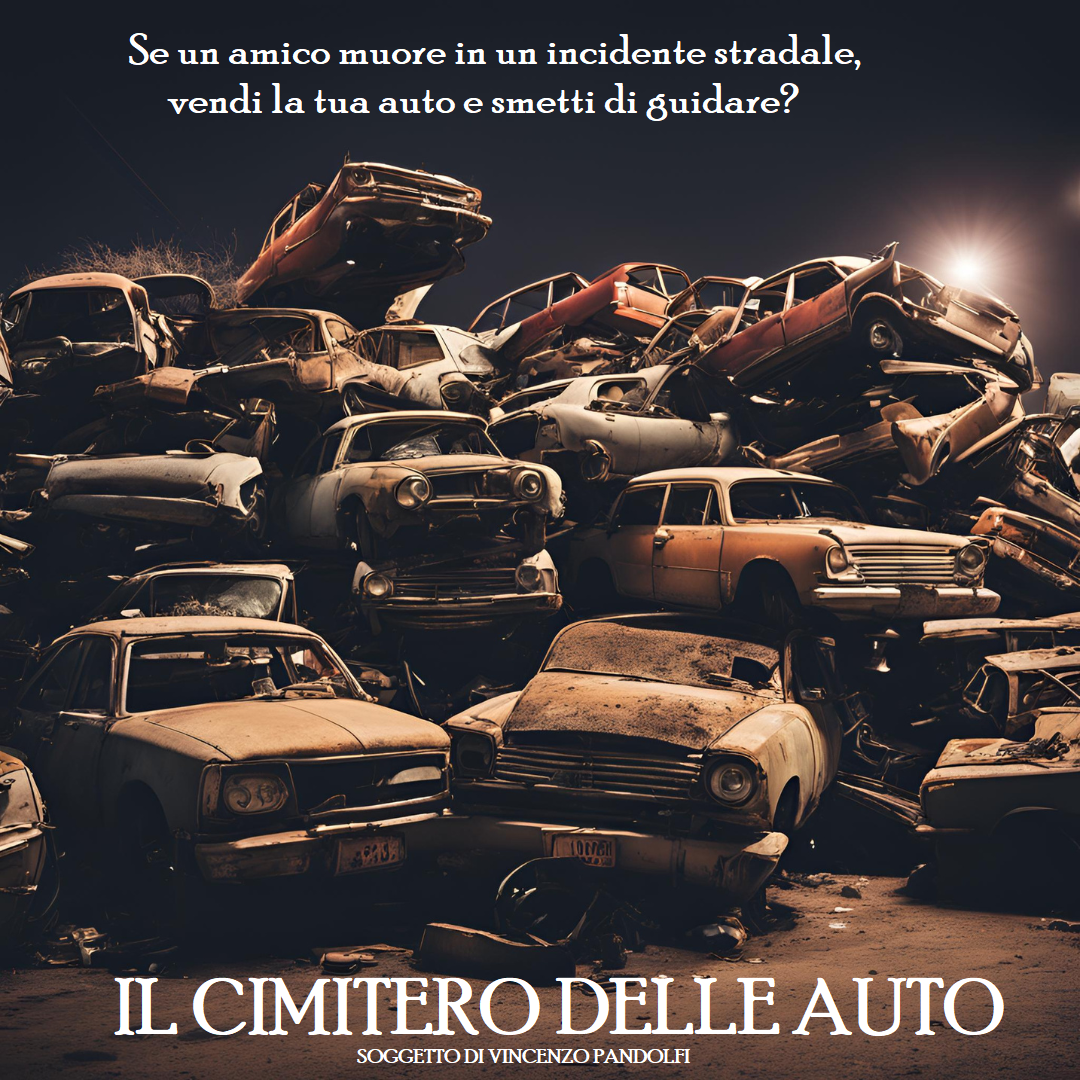
Car Cemetery is a descent into madness and fanaticism, following a cult of car crash worshipers. It’s a reimagining of Cronenberg’s Crash, but with the energy and aesthetic of 1980s American horror.
Writing for an international market can bring unique challenges and opportunities—what has your experience been like in crafting stories for a global audience?
The two screenplays are both designed for an international market, especially Anglo-Saxon audiences. However, their style, pacing, and core concepts are adaptable to different production contexts. I hope that, following the success of my previous feature film screenplay PRODIGIUM—which won awards across half of Europe—I can attract the attention of interested producers.
How has the reception of The Washing Machine impacted your approach to writing future projects?
The Washing Machine has achieved success beyond my expectations, winning awards in Italy, the UK, the USA, and, at the end of 2024, receiving your prestigious Honorable Mention!
This recognition could open the door for this short script to become a crazy, splatter-filled, and brutal short film in the future.
What are your aspirations as a writer moving forward, and what can audiences expect from you in the future?
In addition to the two screenplays I mentioned, I’m currently developing a dystopian science fiction TV series set in a world where AI has completely altered interpersonal relationships. A theme that today might seem futuristic but will soon become our everyday reality.


Leave a Reply