
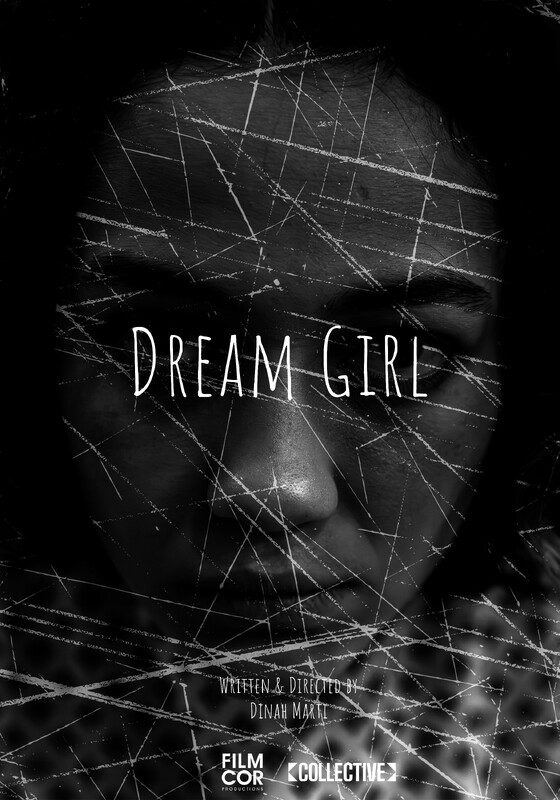
In Dream Girl, filmmaker Dinah Marti delves into the haunting aftermath of the pandemic, exploring the psychological toll it takes on a dedicated doctor haunted by a mysterious patient. From its origins as a TV series concept to its evolution as a gripping psychological horror short, Marti shares the creative journey behind the film, the challenges of capturing psychological depth in a limited runtime, and how the haunting specter of isolation continues to shape her storytelling.
Dream Girl blends psychological horror with the emotional weight of the pandemic. What inspired you to tell this story, and how did the concept develop?
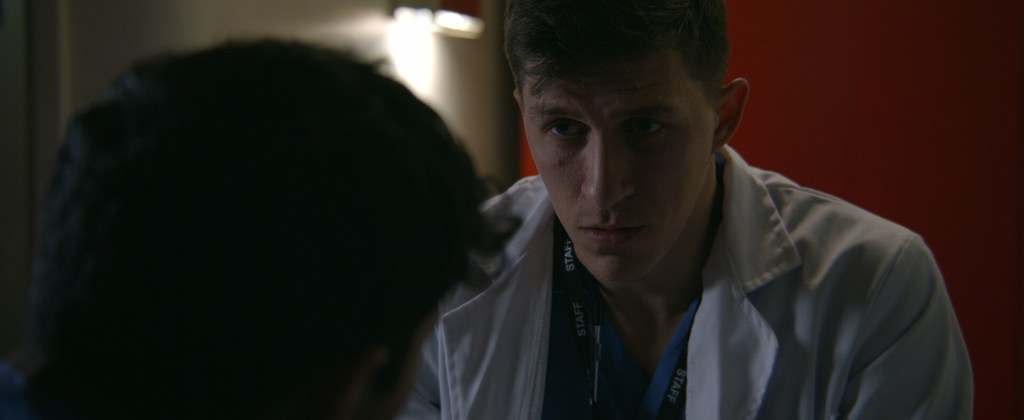
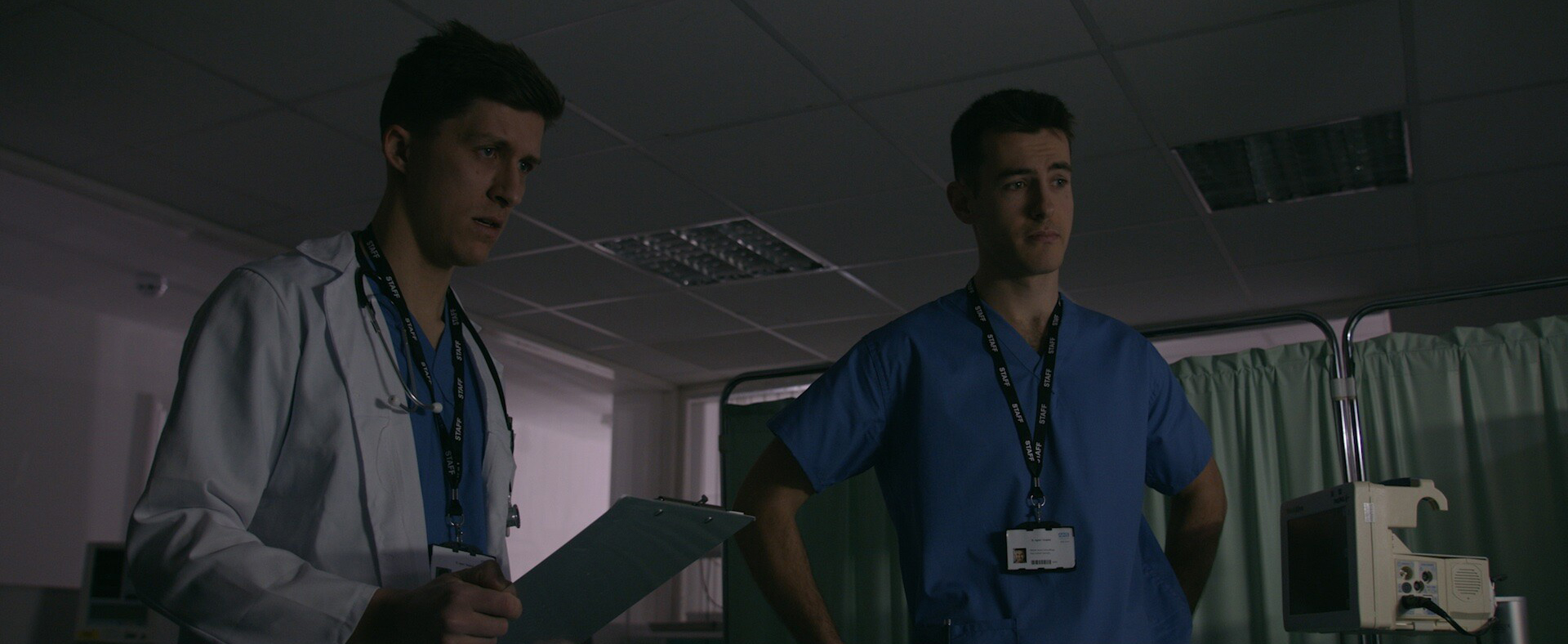
Interestingly, we almost had to work backwards to arrive at this. At first, we knew that we wanted the story to revolve around a doctor and a mysterious patient who haunts him. It was our DOP and co-writer Corey who weaved in the element of the pandemic when we talked about what exactly it is that drives Philipp to a “breaking point” – and how he’s even gotten there in the first place. Doctors are often so preoccupied with their work and saving others that they forget about themselves. Especially during the pandemic, when everyone felt isolated, that must have been even stronger for many. Philipp is one of the many who never was given the time and opportunity to just stand still.

You mentioned that the project originated as an idea for a TV series but evolved into something quite different. Could you share more about that creative transformation?
The first time that the idea for this was sparked was in 2014 when I saw “Maleficent” and thought about the song “Once Upon a Dream”. From this came the idea: “What if Sleeping Beauty meets Nightmare on Elm Street?” From this came the idea for an entire series that is in development that revolves around this concept. While “Dream Girl” still reflects elements of the original idea, it has very much become its own story, more playing with the idea of what overworking and post-pandemic trauma can create its very own horror story in one’s head/dreams.
Philipp Prince, the protagonist, is haunted by nightmares and the psychological toll of his work. What was your approach to portraying his descent into the blurred lines between reality and nightmare?
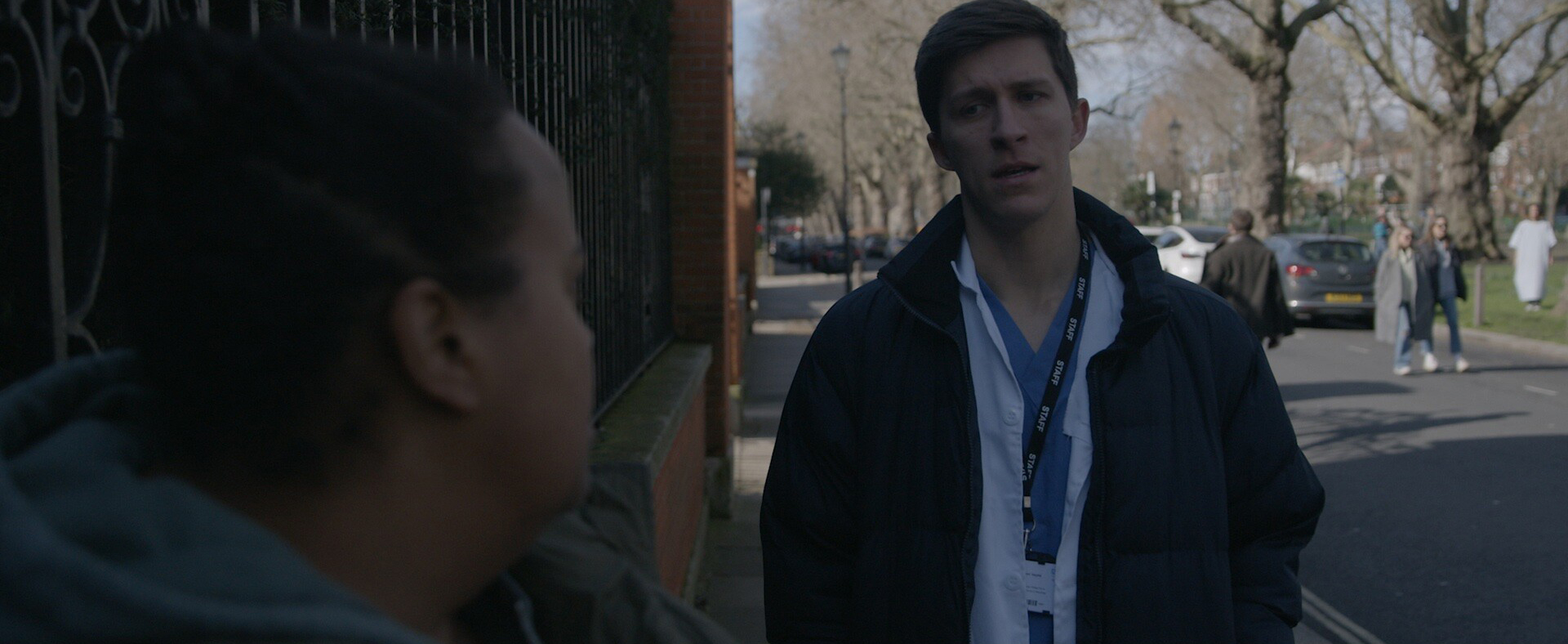
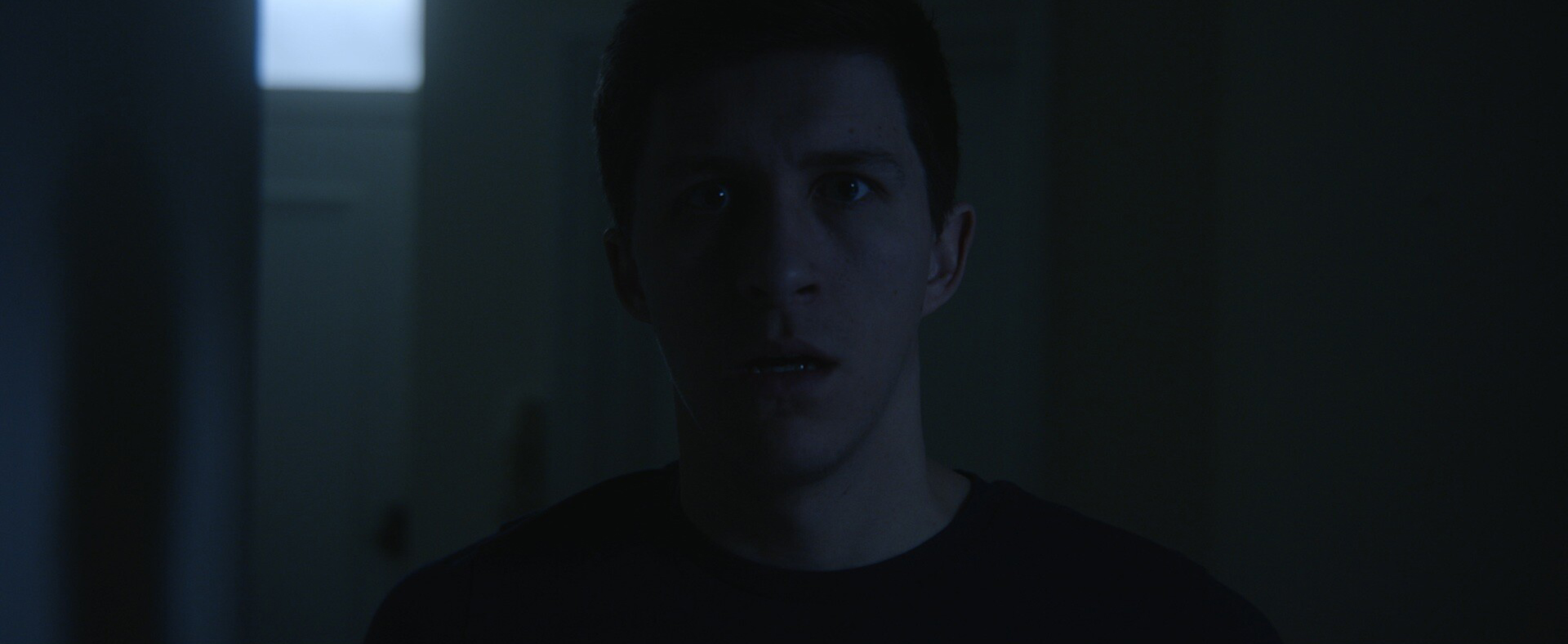
It is undeniable that there is a supernatural element present in “Dream Girl”, which especially shows in the end. We wanted to show Philipp’s descent by following him along. At first, we clearly think that all it is is dreams. It’s just a man with a bunch of scary nightmares. Due to his nightmares, he doesn’t sleep well. His job is very demanding and doesn’t give him a lot of opportunity to sleep anyway. As his nightmares continue, the question is: Is he micro-sleeping and that’s why he sees her? Is he hallucinating because of his trauma, because of the pressure at work, and because he’s exhausted? Is it the effects from the caffeine and all the other ways he tries to stay awake? We wonder along with him, worry along with him, and get scared along with him. The audience is almost an additional haunter in Philipp’s life.
The pandemic has influenced countless creative works. How did it shape the narrative or themes of Dream Girl?
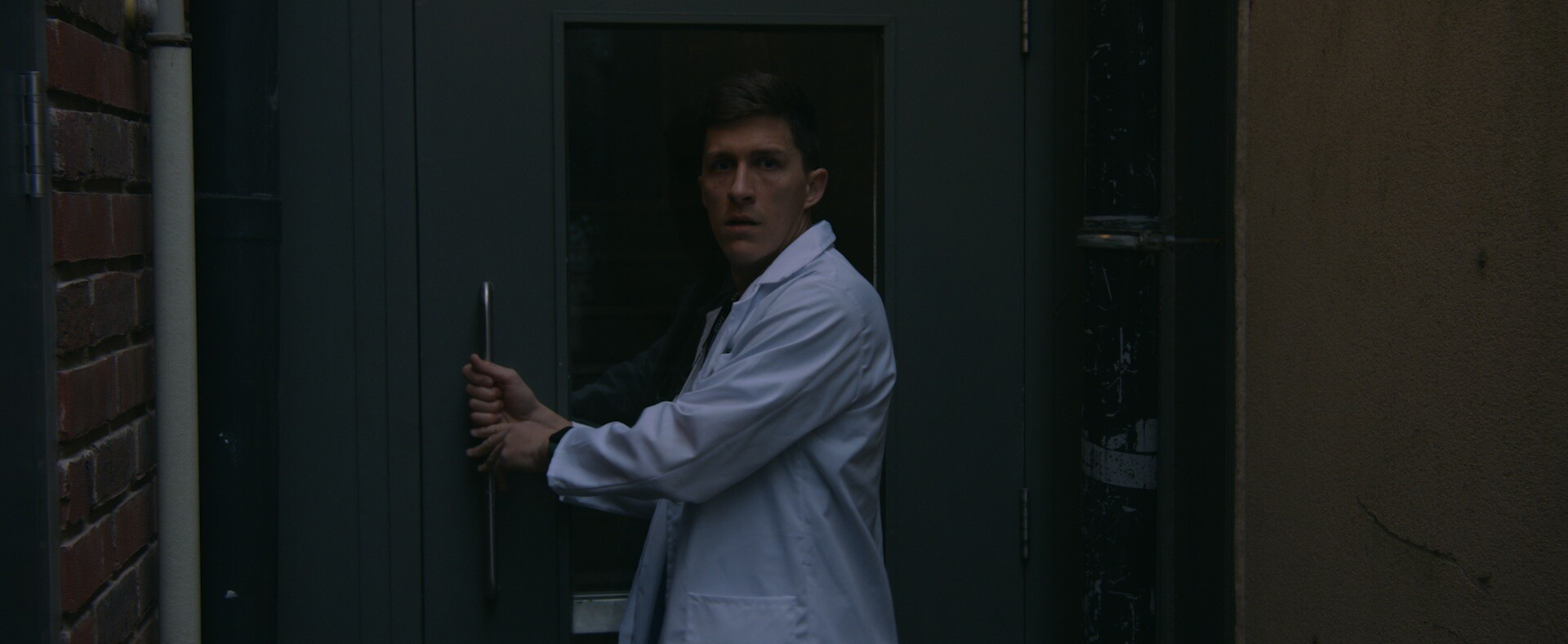
The biggest element from the pandemic that weaves into “Dream Girl” is this sense of loneliness and isolation, whilst still being under the pressure of having to keep going and keep finding purpose and meaning. Even when among people, Philipp feels a distance. He doesn’t know who to trust, how to tell people how he feels, and human touch is becoming something daunting and scary. The more time progresses, the more his job becomes associated with sadness and loss, no matter how hard he tries to fight against that. These are experiences many of us had during the pandemic, in some shape or form. It is also something we shouldn’t forget or disregard. Health care personnel did so much work during that difficult time – and continue to – without ever really being given a break.
What were some of the challenges you faced during the production, especially considering the psychological depth of the story?
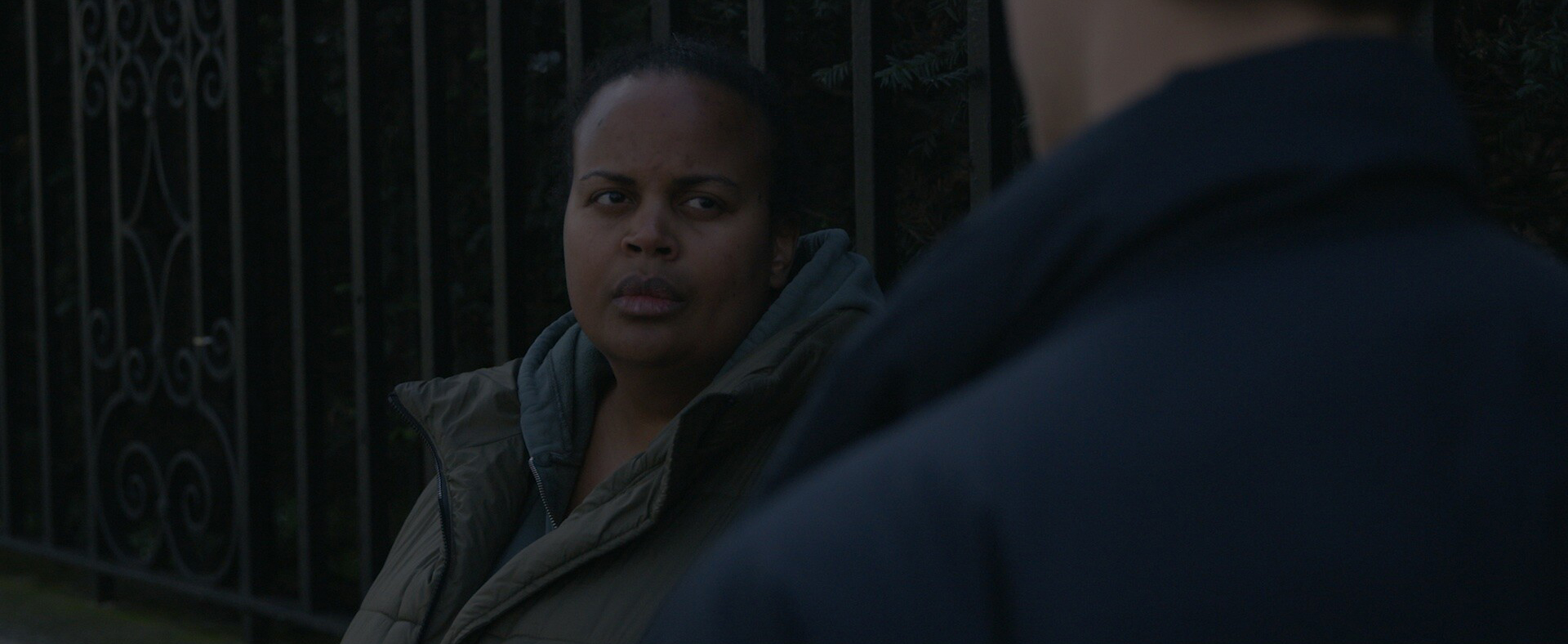
One of the challenges was to put as much story and background in as possible, while keeping it short and concise. This was a huge challenge for Albert Whitehead (the actor who played Philipp), and I think that Albie did a beautiful job of showing how much Philipp is carrying on his shoulders. In addition, it was also a challenge of how to present the “Dream Girl” – what does she look like? What should she sound like? How does she move? We did a lot of tests and discussed different approaches and voices with Jessie Gattward (the woman who breathed life into our lovely Dream Girl).
How does Dream Girl fit into your overall vision as a filmmaker, and do you see it tying back to the TV series you originally envisioned?
It definitely fits the tone and pacing that I appreciate as a filmmaker. I think, for future projects, I would like to explore darker and thrilling themes even more, and especially work on the visual elements that can come with that. Do I see it tie back to the TV series? Yes and no. Having worked on this project, I potentially see it as a feature film that takes place in the same universe, but I have also been checking how it could be tied back to fit into the series. One of the amazing things about such projects is that they truly change their shape all of the time!
Can you tell us about any upcoming projects or plans you have for expanding the story or exploring similar themes in future works?
I have scripts for multiple TV series and movies at the ready, whilst also planning the next short film project already, due to shoot in February. This project will revolve more around the psychological terror of living in the 2024s/early 2025, whereas another project, due to shoot in June/July will revolve more around the themes of life/death/the supernatural, combined with using a true crime case as inspiration. This project also ties in with a full feature idea.
Lastly, how can readers follow your work or reach out to learn more about your projects?
You can always find updates on my Instagram (@dinahmarti), and you can also contact me via dinah@beautifullysavageprodcutions.com for any inquiries. I am always excited to work on projects.


Leave a Reply