
THE ARCHIVE
COVER STORIES
In-depth profiles of filmmakers, writers, artists, and projects making an impact across contemporary horror.
MAGAZINE ARTICLES
Explore stories, interviews, essays, and perspectives on horror cinema, art, culture, and the people shaping the genre today.
PAST FESTIVAL EDITIONS
Revisit past editions of Sinister through Official Selections, nominees, winners, creators, and memorable festival moments.


-
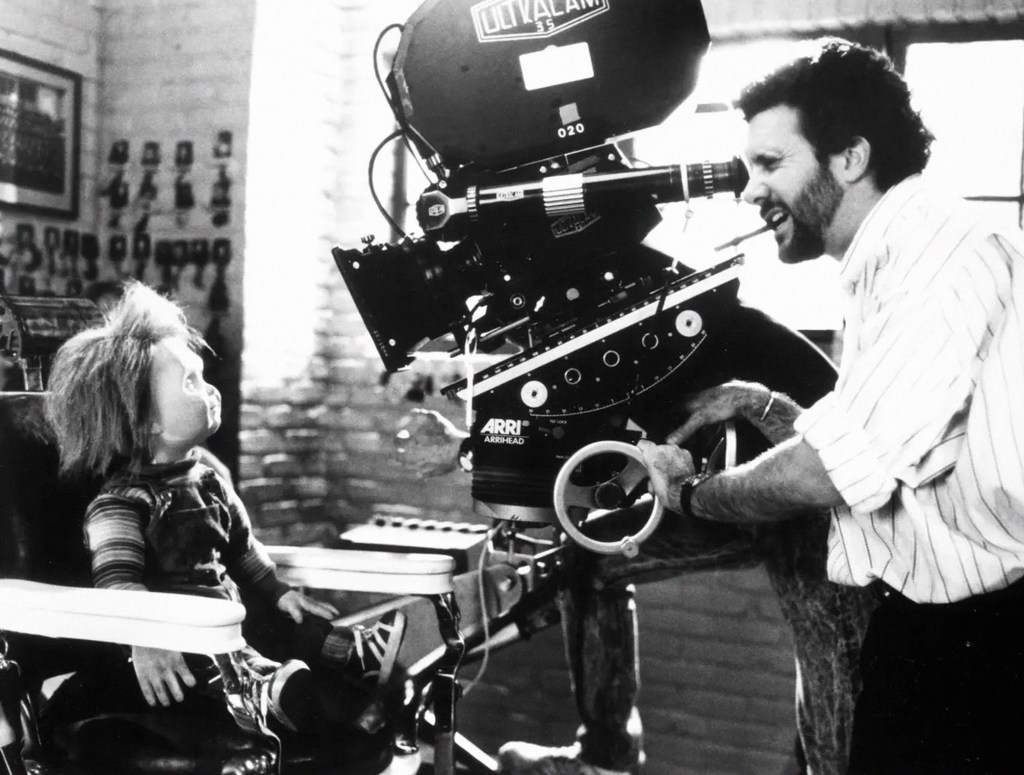
The Lens That Hunts: Camera Movement and Perspective in Horror
In horror, the camera is not just a passive observer. It is the predator. It stalks, reveals, disorients, and isolates. Every pan, every push-in, every locked frame has a psychological consequence. Mastering horror direction means understanding how the lens manipulates not just what is seen — but how it is felt.
-
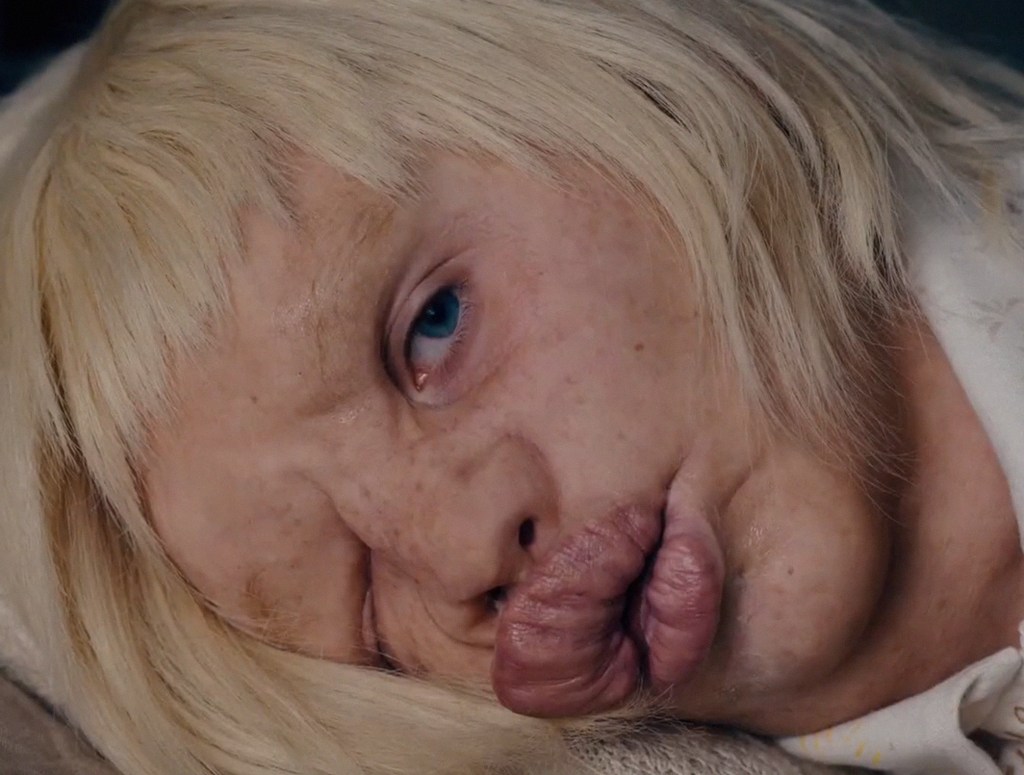
Writing Fear: Structuring Horror for Maximum Dread
In the landscape of genre screenwriting, horror stands apart. It is not defined by plot devices or special effects, but by its control of emotion through structure. A great horror script doesn’t simply tell a scary story — it manages an audience’s nervous system.
-
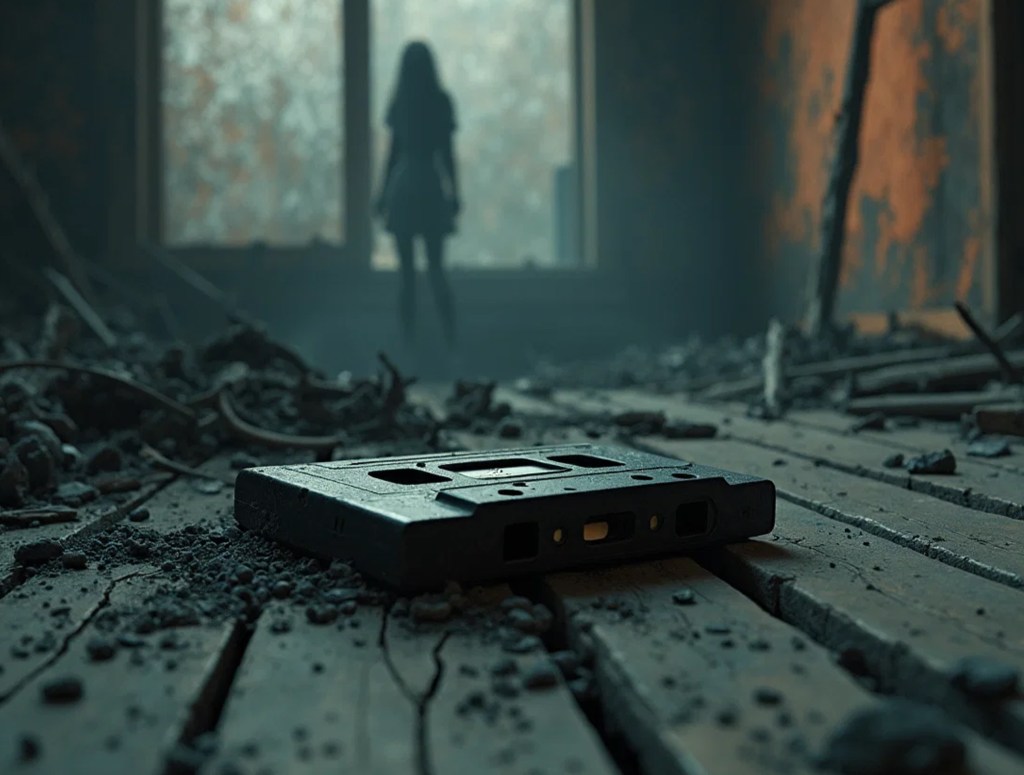
ECHOES FROM THE VOID: The Cabin Tape
The following is a complete transcription of the audio recovered from a handheld microcassette recorder found in a collapsed structure deep within the Ardenwald National Forest. The cabin no longer exists. No survivors were ever identified.
-

Hashima Island – The Concrete Coffin of the Sea
Off the coast of Nagasaki, a slab of concrete looms from the water like the wreckage of a drowned civilization. Locals call it Gunkanjima, or “Battleship Island,” for its fortress-like silhouette. But beneath the crumbling towers and rusted beams of Hashima Island lies a history far more haunting than any warship.
-
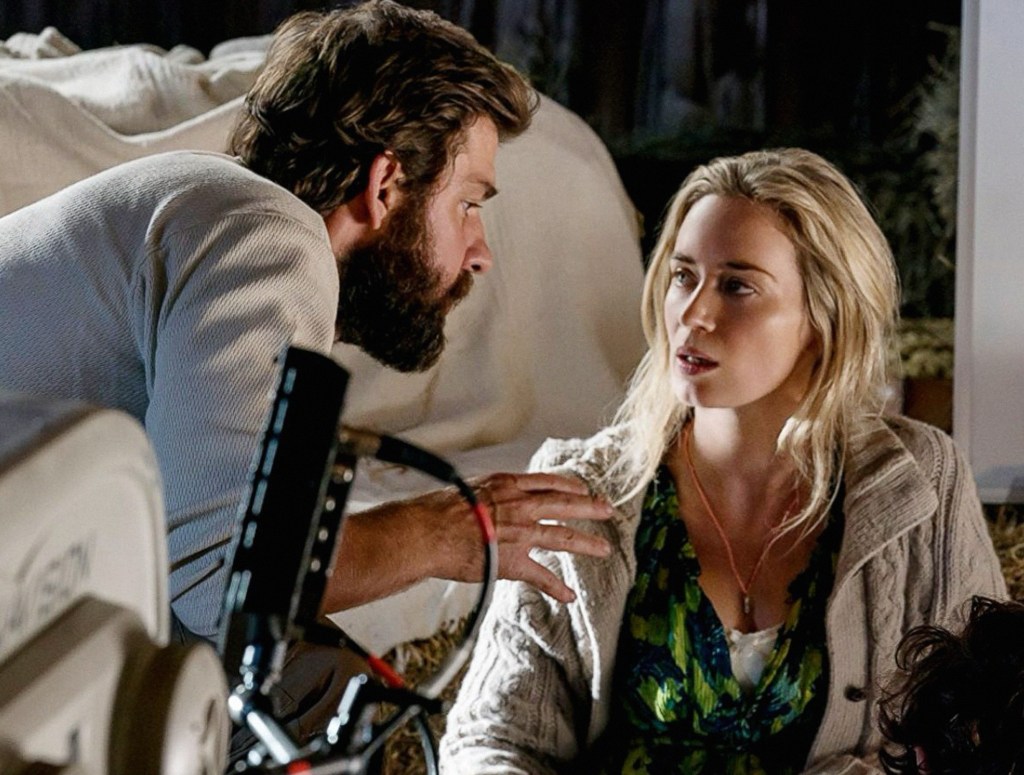
Screaming on Cue: Directing Horror Without Losing the Human Core
In horror, it’s easy to fall into the trap of performance extremes: the shriek too sharp, the sob too forced, the stare too vacant. But the most unsettling moments in horror aren’t always the loudest — they’re the ones that feel real.
Subscribe
Get the latest eerie content delivered right to your inbox.

