
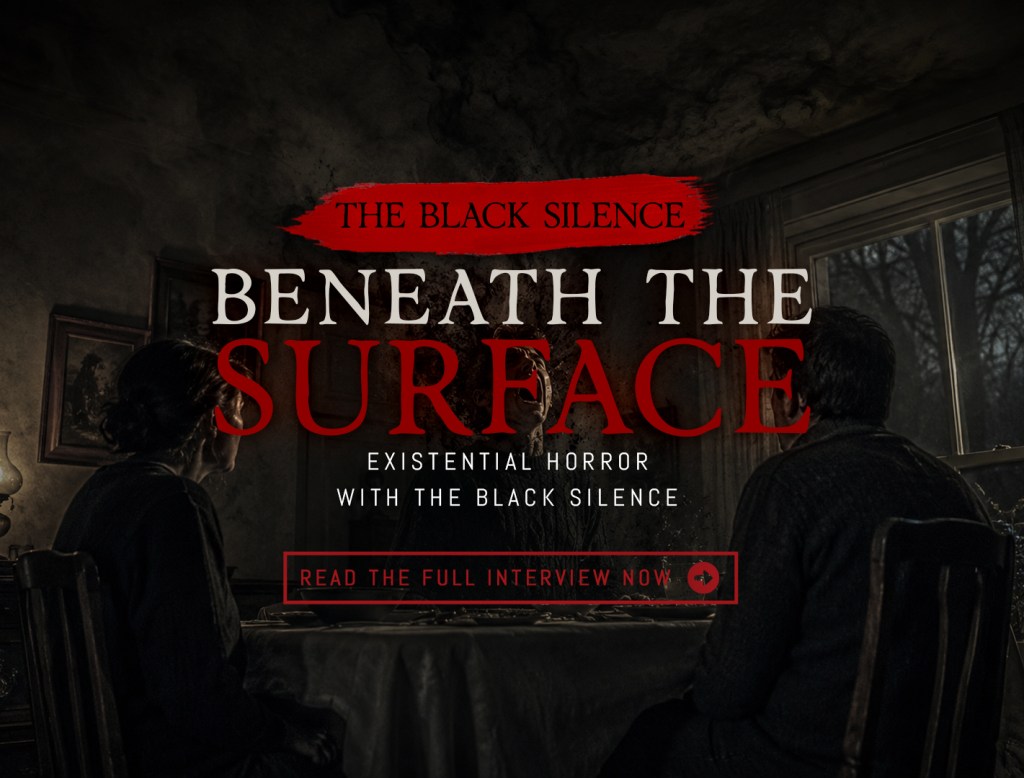
Horror often finds its greatest power not in monsters or violence, but in the unsettling truths that lie beneath everyday life. The Black Silence is an atmospheric and deeply unsettling descent into existential dread, drawing inspiration from the haunting literature of Hungarian writer Géza Csáth. The result is a film that explores the fragility of reality, the illusion of control, and the terrifying possibility that the world we know can suddenly become something unfamiliar.
Created by C.A. Cooper a filmmaker with a strong background in cinematography and visual storytelling, the film combines striking imagery, psychological tension, and an uncompromising artistic vision. Its distinctive approach to horror has earned recognition on the festival circuit, where audiences have embraced its willingness to venture into darker and more abstract territory.
In this interview with Sinister Magazine, we discuss the literary origins of The Black Silence, the creative decisions behind its unsettling atmosphere, the challenges of producing ambitious horror on a limited budget, and the artistic philosophy that continues to shape the filmmaker’s evolving voice within the genre.
The Black Silenceis a striking and evocative title that immediately suggests atmosphere and mystery. What was the original idea or moment of inspiration that led you to create this film?
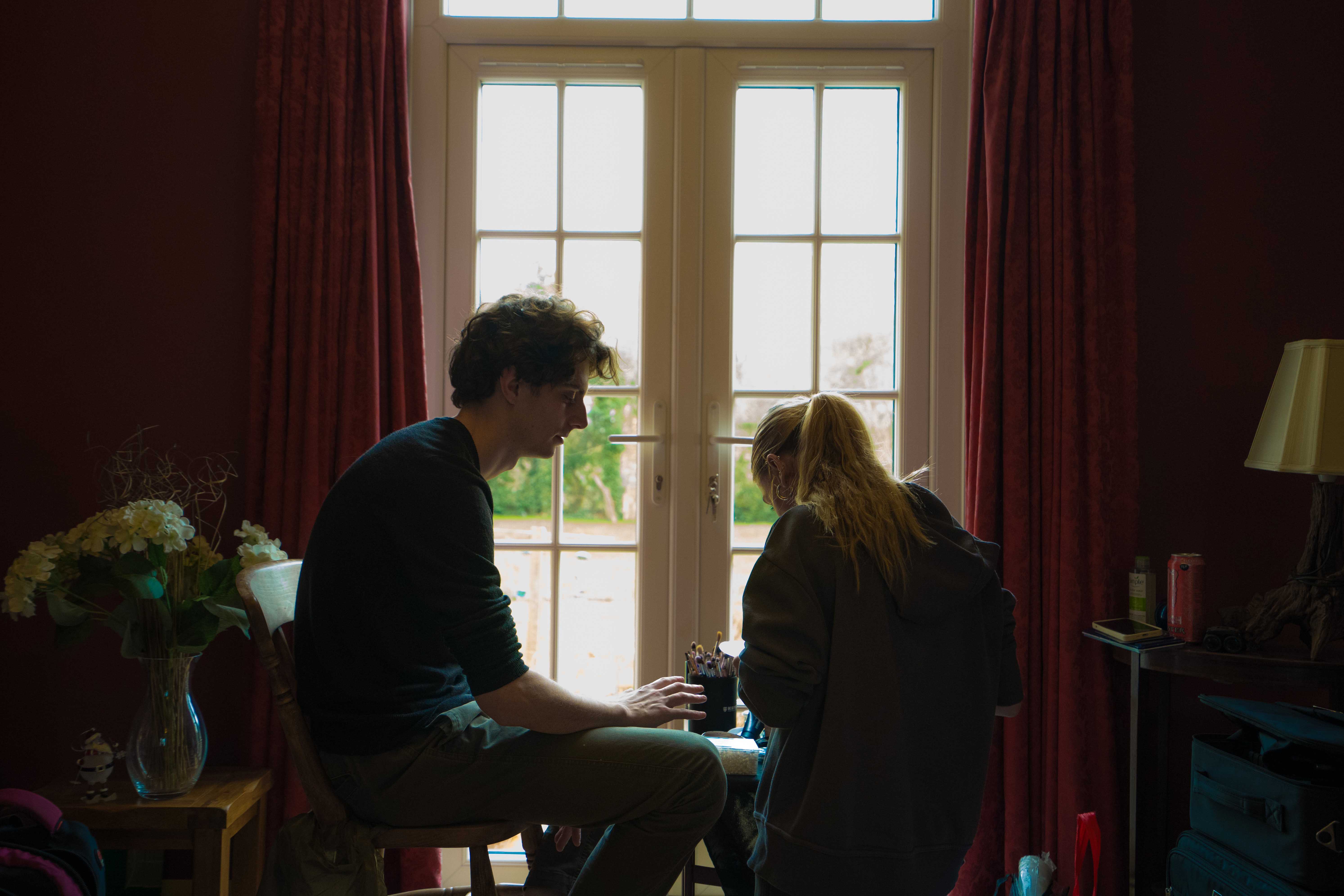
My girlfriend (at the time) was Hungarian and introduced me to the compelling literature of Géza Csáth. I ended up reading his entire anthology of short stories, then decided to adapt two of them into short films — The Magician’s Garden and The Black Silence. Both titles are direct translations of the original Hungarian titles.
I was initially drawn to The Black Silence by its ability to disturb on a deep, existential level. A reflection of the hidden fears we all share, the fear of losing control, of reality unraveling, of waking up one morning to find that the world we knew has changed beyond recognition.
Your work often explores the darker aspects of human nature and psychological tension. How does The Black Silence reflect your broader artistic vision as a filmmaker?
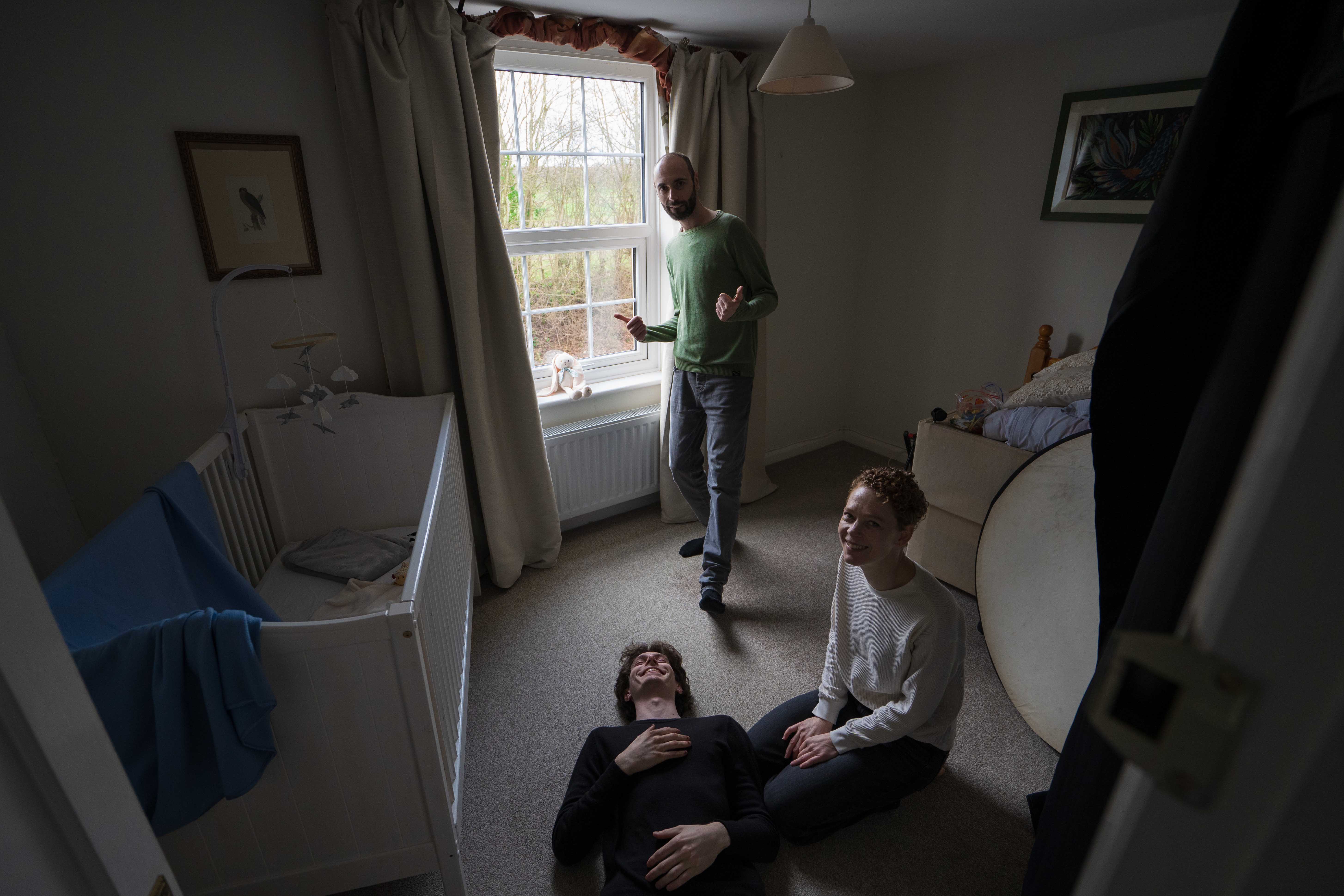
The Black Silence is set within the confines of a traditional nuclear family, and the film is an abstract examination of the fragility of domestic security and the illusion of control we maintain over our lives. We exist within a carefully constructed bubble of routine and safety, yet beneath the surface, we are always at the mercy of forces beyond our understanding, and The Black Silence itself embodies this unpredictable chaos; an unknowable and unstoppable force that can strike without warning.
The story forces its characters (and its audience) to confront an unsettling truth: no matter how much we cling to structure, tradition, and familiarity, we are all ultimately powerless against the vast and indifferent anarchy of nature. And this idea of “confronting unsettling truth” is something I often attempt to explore artistically in my broader work.
Atmosphere is a fundamental element in effective horror storytelling. What were some of the key creative decisions that helped shape the tone and visual language of the film?
This is difficult to answer, as it’s something that I tend to implement intuitively. I am a self-shooting director, so in my mind, I always have a very clear idea of how the film should look and feel, and I will frame and light accordingly, so that the vision in my mind is translated directly to the screen. I think I used a lot of wide-angle lenses and minimalist compositions, along with a cold, neutral color palette, to create a general feeling of unease.
I think the music came first (creatively speaking) and was inspired by the great Krzysztof Penderecki. Right from the outset, I envisaged this very aggressive, intense music that would kick in from the moment the brother transforms and then not relent until the very end of the film. I wanted the whole thing to feel like a nightmare world, and I think that was the creative driving force behind everything.
Having started your career in the camera department and cinematography, how has that background influenced the way you approach directing and visual storytelling?
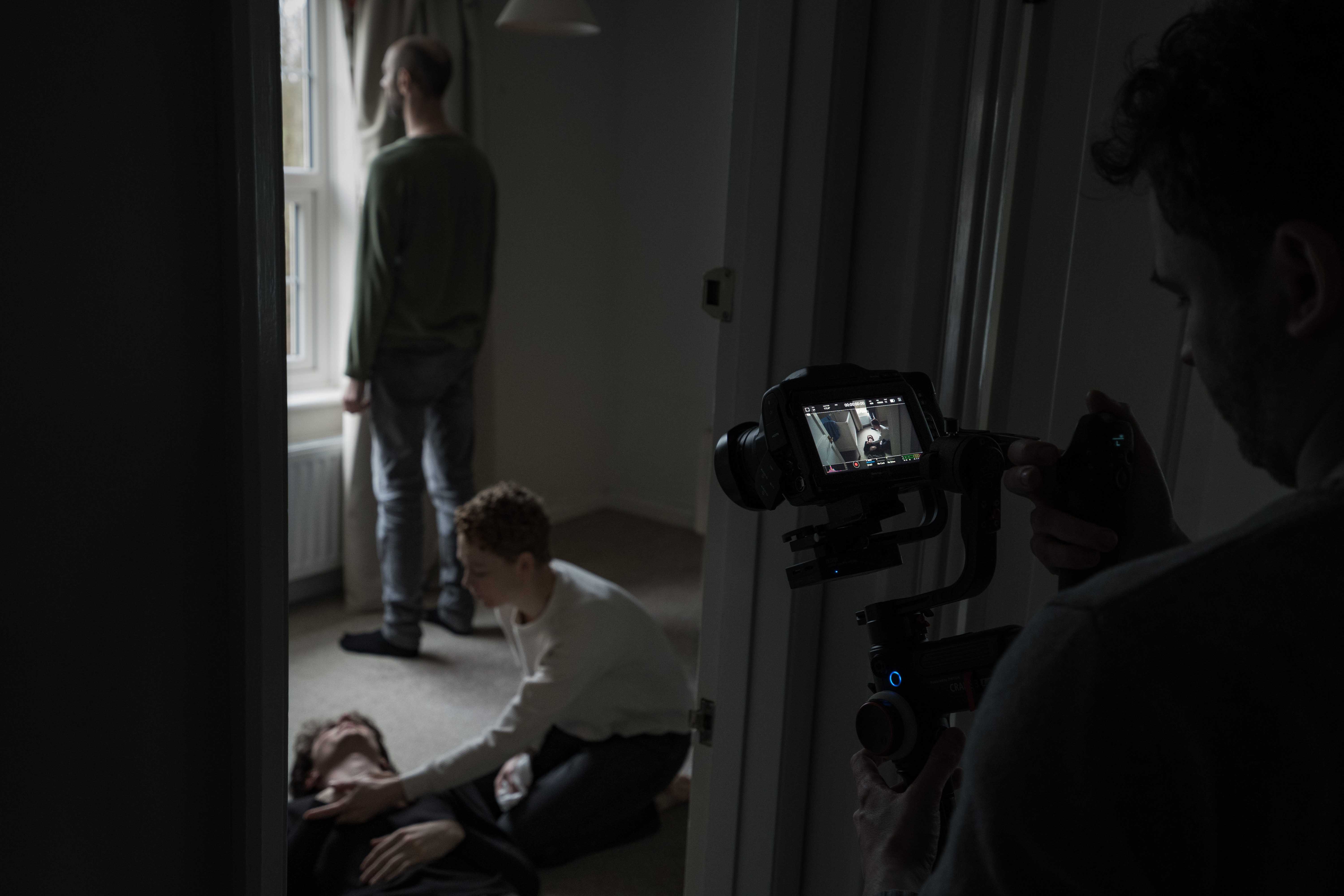
This led to me being a self-shooting director, where I often act as cinematographer when directing (especially on lower-budget short-form projects). I guess it’s resulted in me having a very specific idea of what I’m going for when it comes to shot design, composition, and lighting.
Your films have received strong recognition on the festival circuit. How has the reception from audiences and the horror community influenced the way you think about your work moving forward?
Thank you. I’m so pleased that the work has been well received and am very grateful for the recognition. Interestingly enough, with The Black Silence, I wasn’t sure how it would be received at festivals, as it’s quite a weird, abstract, and unconventional piece. But I really liked the original short story and just wanted to make the film purely for the fun of making it — and just thought, let’s see what happens with festivals; hopefully it will find its way to an audience. And we are very fortunate that it did.
So, I think moving forward, this reception and recognition at festivals has given me a confidence boost when it comes to tackling strange, challenging, and ambitious material — and has revealed that there is indeed an audience who enjoy watching these kinds of films. So, I will certainly be making more films like this!
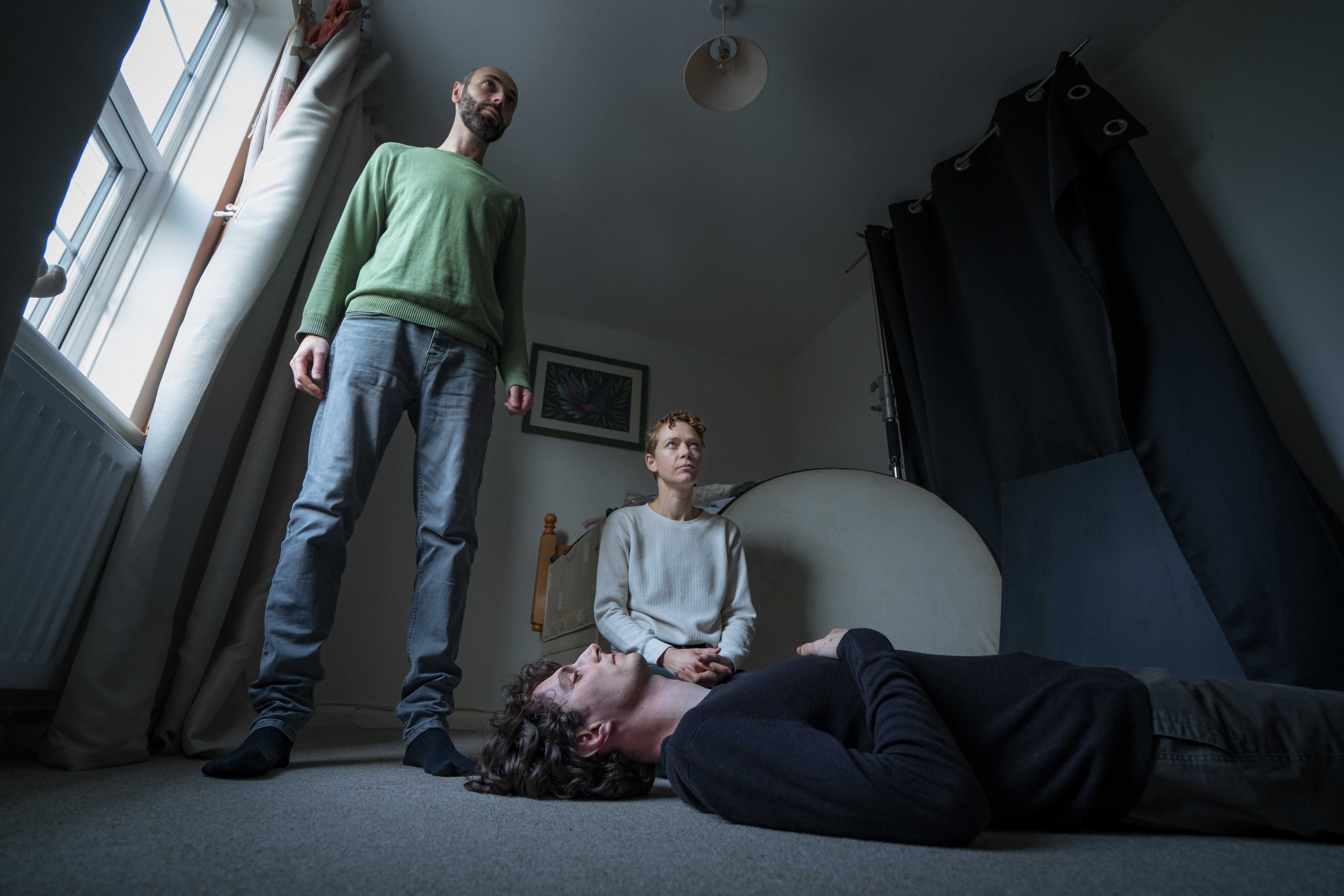
Every production presents its own creative and logistical challenges. What were some of the biggest challenges you faced while making The Black Silence, and how did you overcome them?
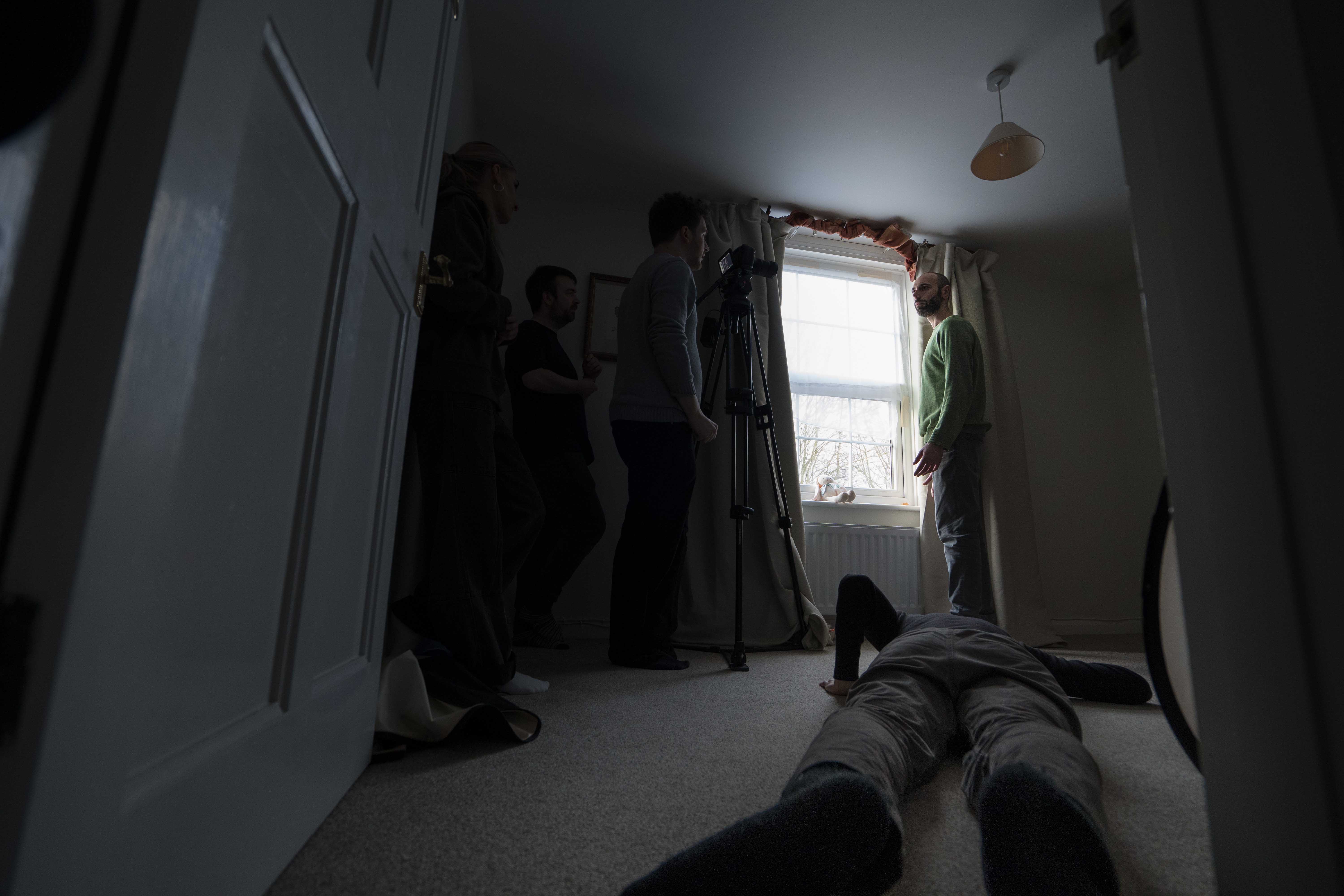
In retrospect, the film was a bit too ambitious for the budget we had (around $2,500). It was a two-day shoot, and we filmed primarily in an Airbnb in the countryside near Cambridge (UK).
I think the biggest challenge was the fact that on the second day there was a huge storm whilst we were filming the night scenes, which resulted in trees blowing over and blocking some of the roads leading to and from the shoot location. Whilst filming the interiors, the whole crew had to rush outside to hold onto the light stand to stop it from blowing over.
I was then left alone with the two actors inside, recording sound with one hand whilst operating the camera with the other. So it was a real struggle. But the strong winds blowing the trees and the actors’ hair really added to the overall atmosphere of the film.
Finally, looking ahead, how do you see your voice as a filmmaker continuing to evolve, particularly within the horror genre?
I actually feel like I’ve only recently begun truly finding my authentic voice as a filmmaker, despite having been making films since I was 12 years old (I’m now 36). Moving forward, I feel that my films are becoming deeper and more personal, but also less restrained, bolder, and more artistically ambitious.
Regarding horror specifically, right now I have a psychological horror film set on the London Underground (that I would describe as a cross between Taxi Driver and The Exorcist), which I’ve been having trouble getting off the ground in the UK due to its “shocking, horrific and risqué content.” But it’s a deeply personal project for me, which I am extremely passionate about and am fighting to get made — and I firmly believe there is a strong audience for it.
EPILOGUE
With The Black Silence, C.A. Cooper demonstrates how horror can become a vehicle for exploring the deepest anxieties of the human experience. By combining literary inspiration, unsettling atmosphere, and existential dread, the film challenges audiences to confront uncomfortable truths about control, reality, and our place within an unpredictable world.
As new projects continue to push toward bolder and more ambitious territory, The Black Silence stands as a compelling example of how independent horror can transform intimate fears into powerful cinematic experiences.
Stay tuned to Sinister Magazine for more exclusive interviews, filmmaker spotlights, and discoveries from the world of independent horror cinema.
 sinisterfilmfest.com
Leave a comment