
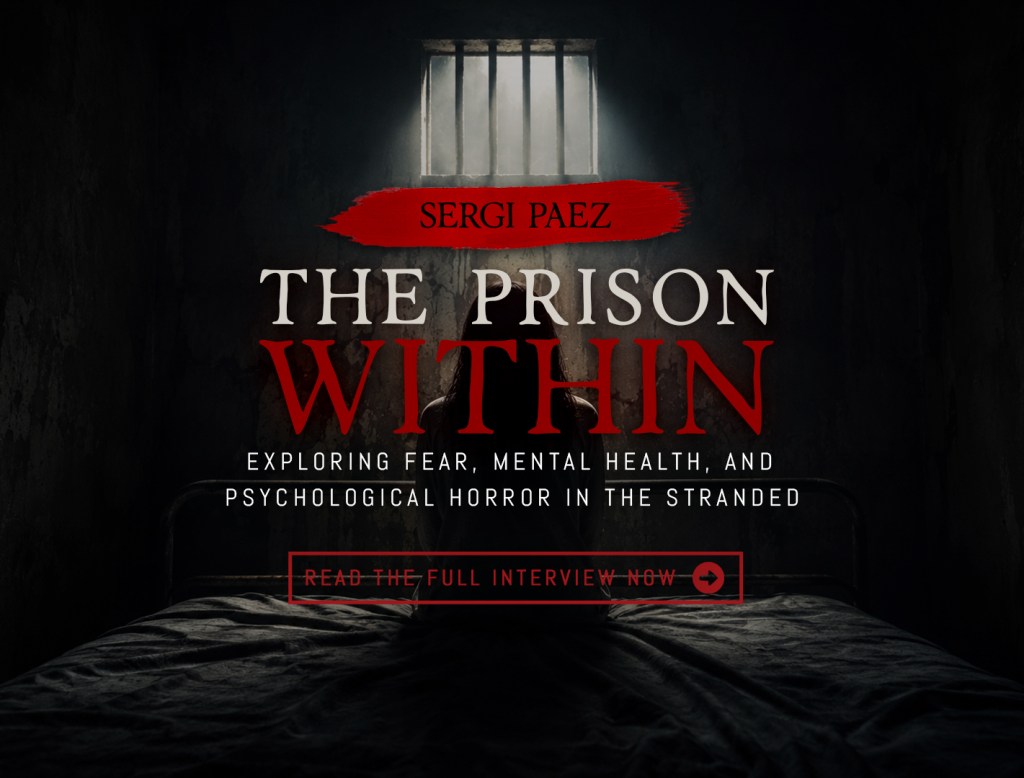
Psychological horror has long served as one of cinema’s most powerful tools for exploring the hidden fears that shape our lives. In The Stranded, director Sergi Páez crafts a deeply personal and unsettling story about mental health, self-imposed limitations, and the courage required to confront the unknown.
Drawing from his own experiences, Páez uses horror not merely as a vehicle for fear, but as a means of examining the emotional and psychological barriers that can prevent us from moving forward. Through striking imagery, an intimate character study, and a powerful central performance by Claudia Trujillo, The Stranded invites audiences to confront the monsters that exist both around us and within us.
In this interview with Sinister Magazine, Sergi Páez discusses the personal inspirations behind the film, the role of psychological horror as a form of healing, and why stories about fear, resilience, and survival remain more relevant than ever.
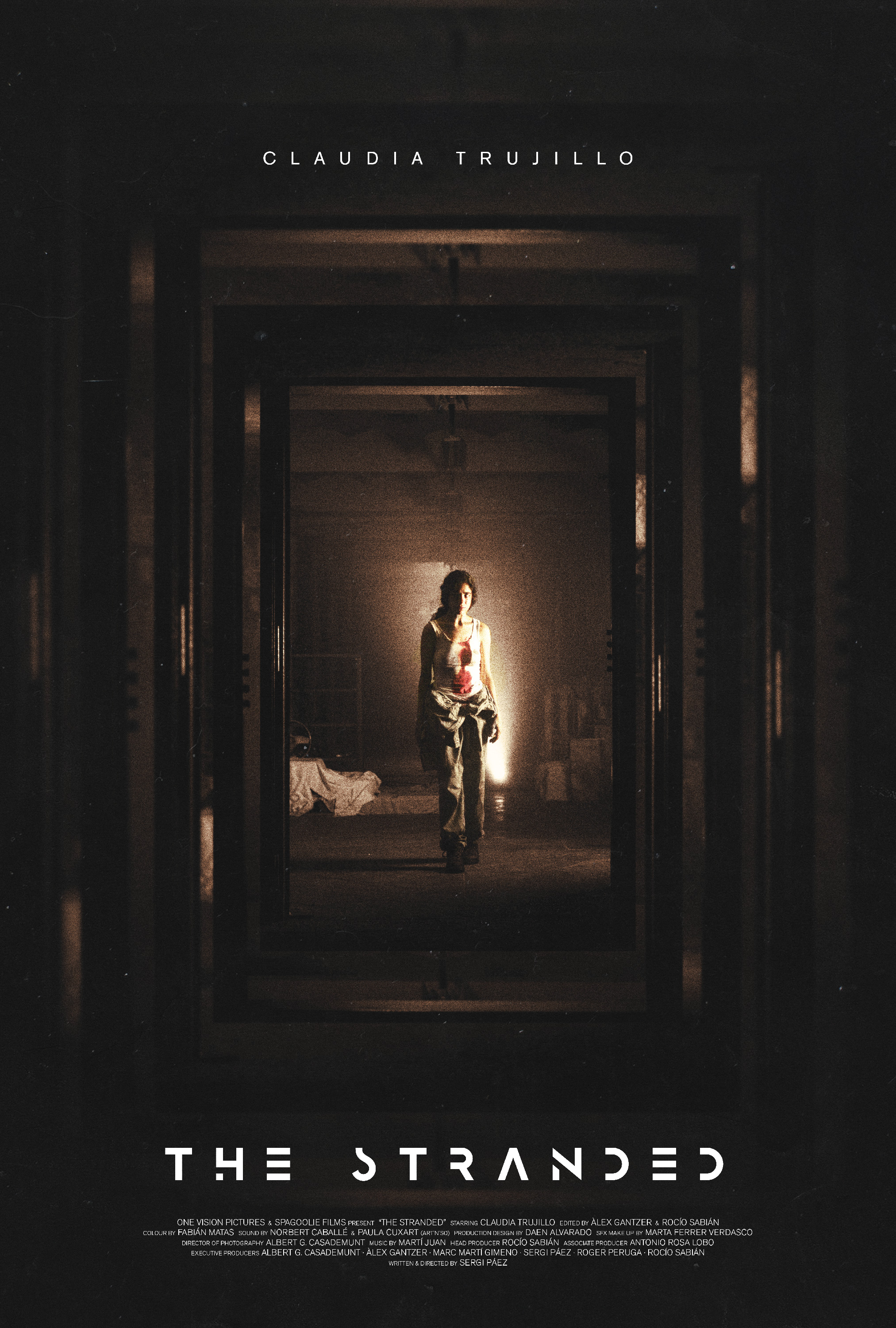
The Stranded explores psychological horror through themes connected to mental health and the fear of fear itself. What initially inspired you to tell this particular story?
Personal experience is always the main inspiration for telling good stories. Having worked in the industry for a decade and spent eight years as a teacher, I’ve found that the fear of fear itself is a common cause of many issues in life, from procrastination — when we perceive something as too difficult to do or say — to avoiding facing the results, whether loss or success, as both can be overwhelming and sometimes we would rather stay where we are and not even try.
In our story, the main character, played by Claudia Trujillo, is afraid to face the consequences of leaving a prison from which she has the key, literally. I have been in therapy for seventeen years, and what I have learnt is that, although professional and social support are essential, only we have the power to free ourselves from our self-imposed prisons.
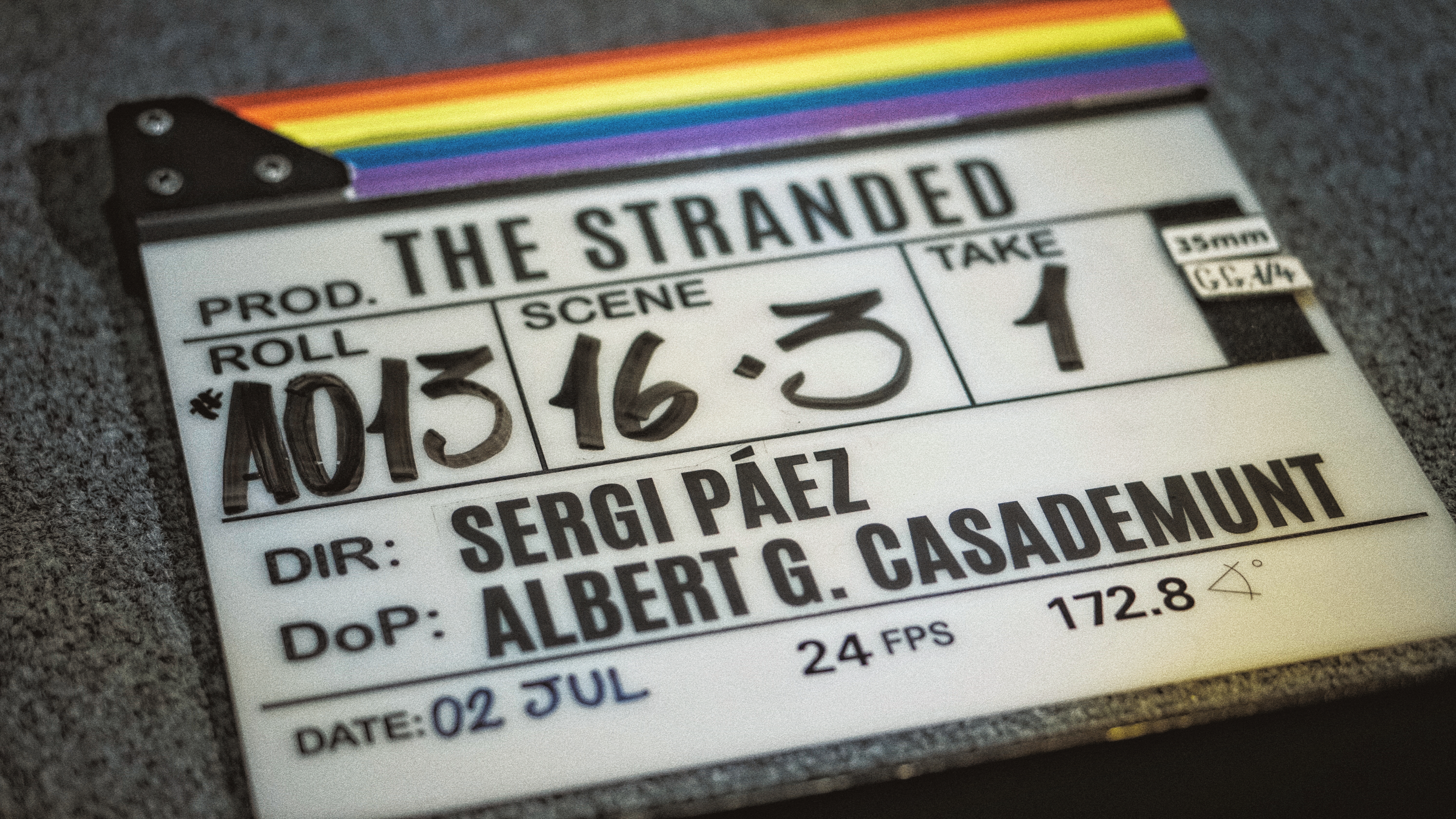
Psychological horror often relies more on emotional tension and inner conflict than on traditional scares. What elements did you focus on to create that sense of unease for the audience?
Horror is not defined by what the audience feels, but by what the characters experience. It is a subgenre of the fantastic, as defined by Tzvetan Todorov, as the line “between the uncanny and the unknown”. In our short film, the main character fears both; she knows she must follow a dark path to free herself, and believes there is a monster lurking within it.
Whether or not that is true, the fact remains that we fear what we don’t understand: the monsters under the bed and the uncertainty of tomorrow. The audience’s journey is the same as the character’s: facing her fears in order to discover what lies ahead.
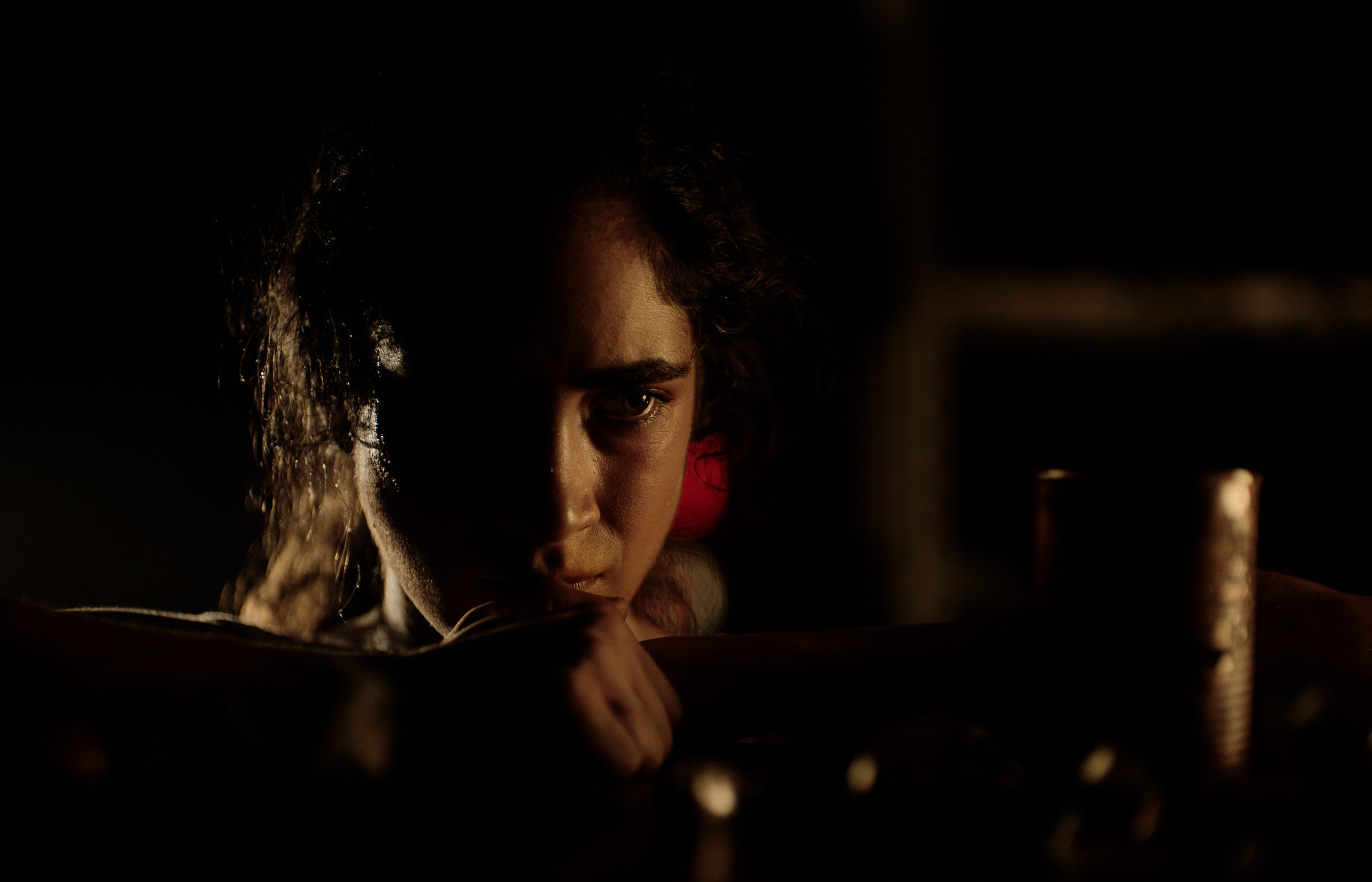
Horror has the unique ability to explore complex psychological and emotional experiences. In what ways did you hope The Stranded would resonate with audiences beyond the immediate horror elements?
Some people have told us how the story resonates with them; it feels both vaguely familiar and unfamiliar. I hope that, when people see this short film, they will be able to look within themselves, identify what they are afraid to do or say, and find the courage to face it.
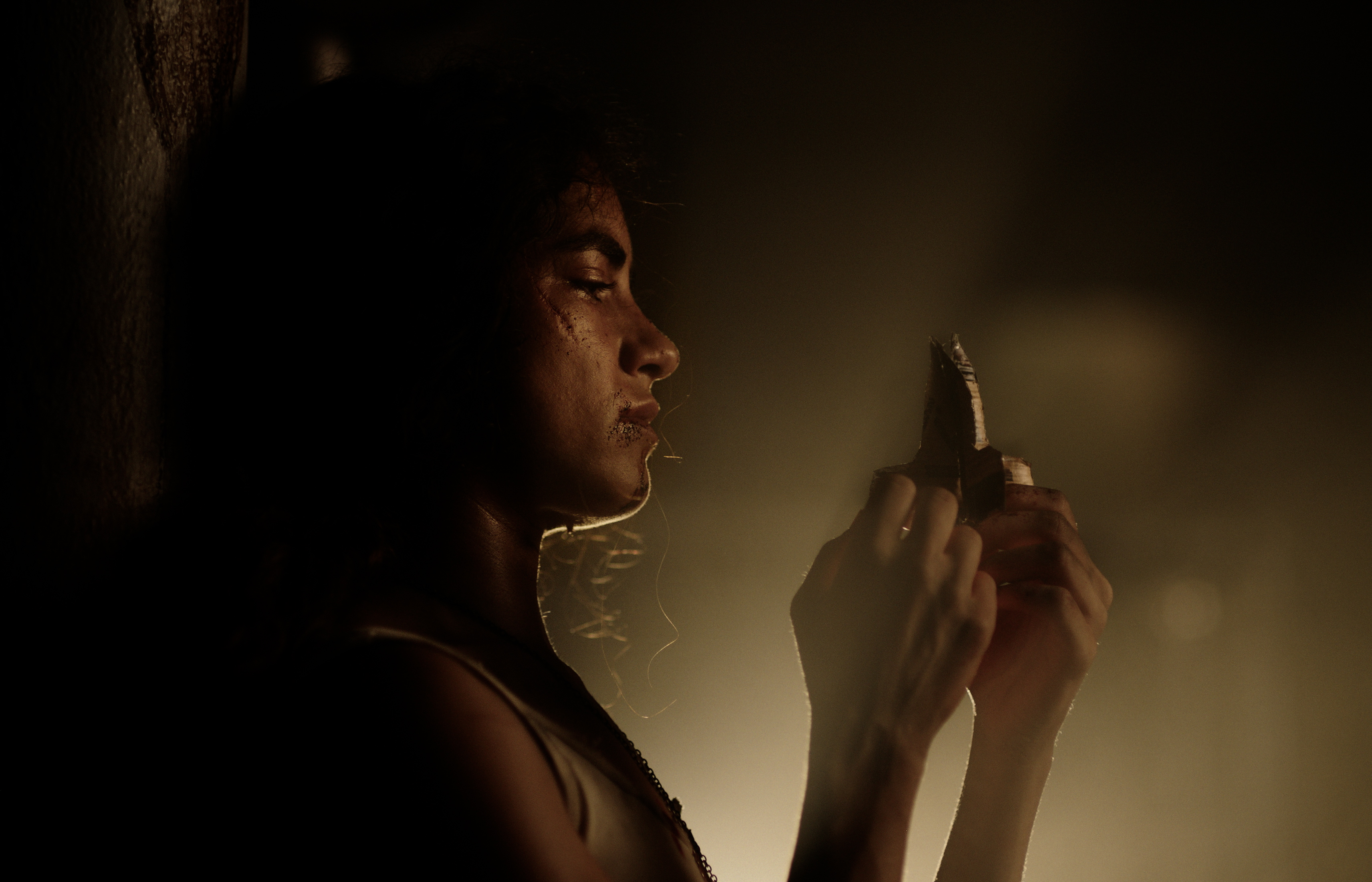
The film places significant emphasis on its central character. How did you approach building the psychological depth of the protagonist throughout the story?
Claudia Trujillo’s performance plays a key role in conveying the emotional intensity of the film. What made her the right choice for the role, and how did you collaborate with her to bring the character to life?
I’ve been friends with Claudia since we met at the Sitges Film Festival in 2019. She won the ‘Best Promising Actress’ award, and we formed an immediate bond. Fear is a constant presence in the careers of filmmakers and actors, and sometimes taking a step forward can be extremely difficult.
We sat down and discussed how we could depict the concept of a mental prison, translating those feelings into images and exploring how they manifest in real life. As someone who has been diagnosed with schizophrenia, I helped Claudia understand the images I wanted to show the world. She grasped them completely and took them to another level.
Her experience working on horror short films and dramas for TV and film made her the perfect choice for the role. She was completely committed to the character: she ate a whole can of beans on the ground in a deleted scene and received an electric shock without breaking character in another. She is the soul of the whole film.
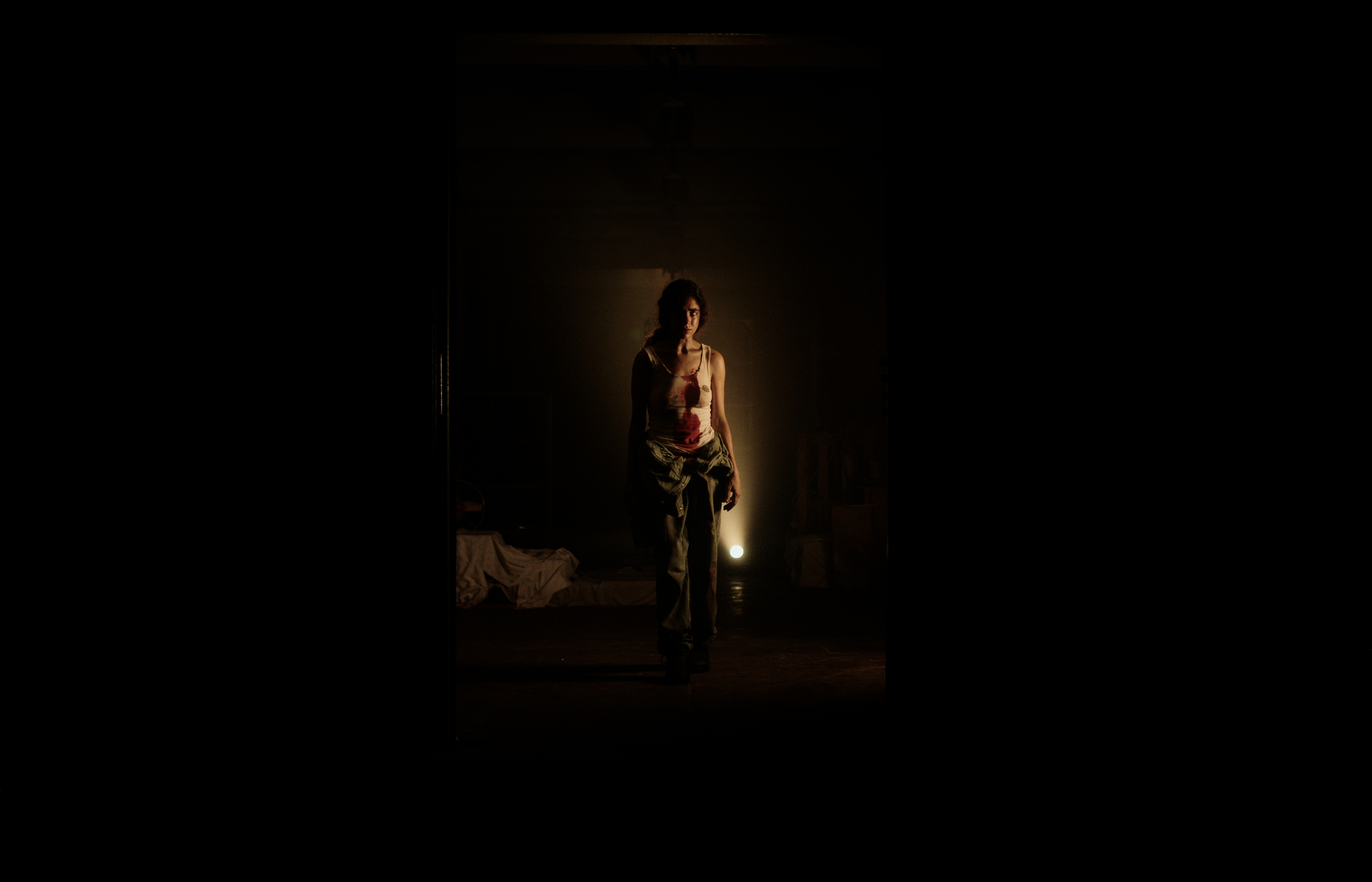
Psychological horror has long been one of the most powerful forms of storytelling within the genre. Why do you think it remains so important to preserve and continue developing this style of horror cinema?
It is key to helping people cope. Storytelling is the oldest method of sharing and teaching, drawing on both real experiences and fantastic metaphors. Sharing terrifying stories about people who have overcome psychological issues can heal the world. Horror heals.
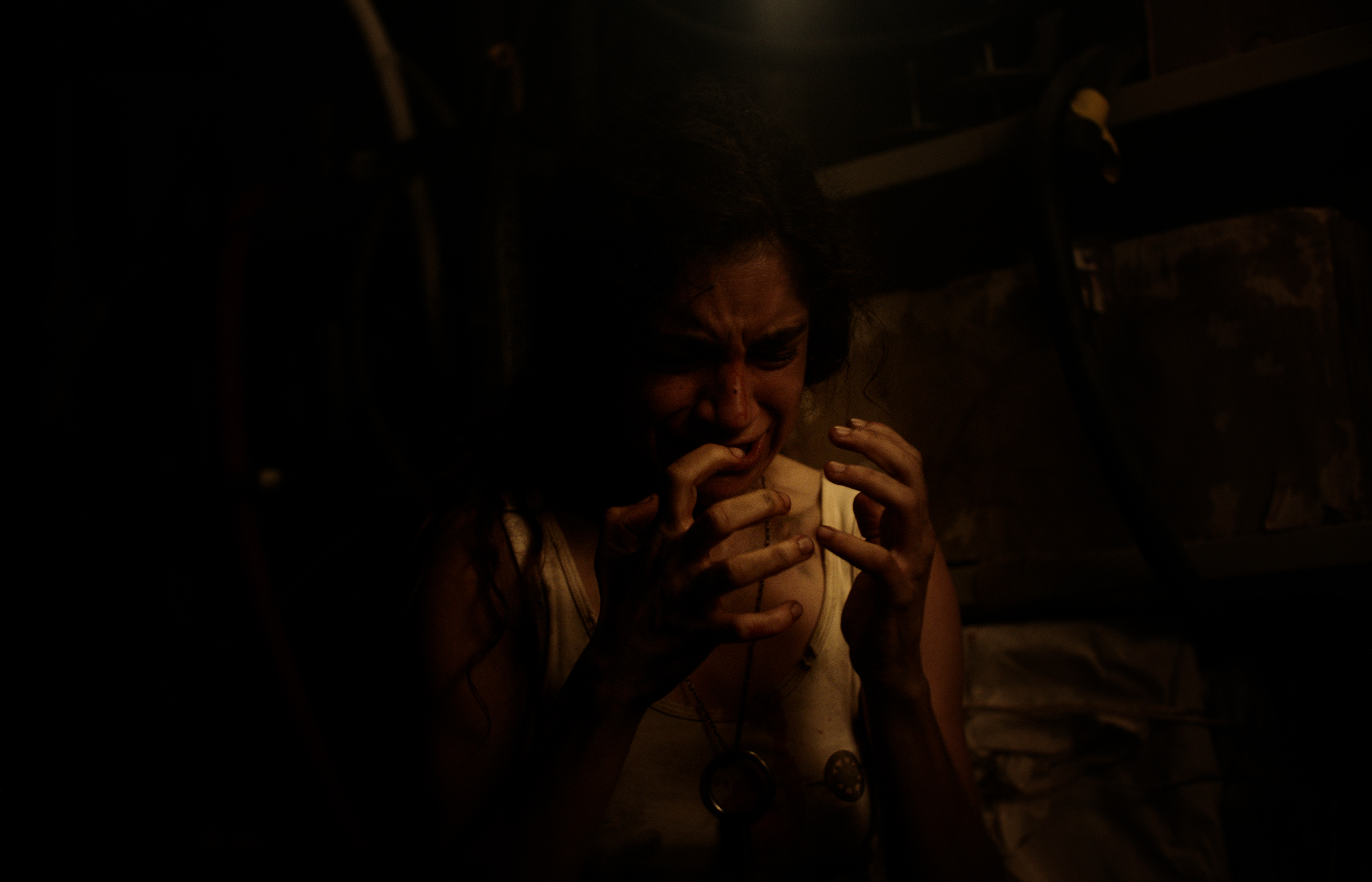
Finally, after completing The Stranded, how do you see your creative exploration of psychological horror evolving in future projects?
There are many other mental health issues that can be transformed into stories of survival and resilience. Body horror and the impact of toxic social situations are both more relevant today than ever before.
My day-to-day life centres around what we believe is there when it’s not, so these three topics are what I’m currently trying to write about.
EPILOGUE
With The Stranded, Sergi Páez demonstrates how psychological horror can move beyond fear and become a powerful exploration of resilience, self-discovery, and the invisible barriers we create for ourselves. By confronting themes of mental health through the language of genre cinema, the film offers an experience that is both unsettling and deeply human.
As he continues to explore new stories rooted in psychological conflict, body horror, and the complexities of modern life, Páez remains committed to using horror as a tool for reflection, empathy, and healing.
Follow Sinister Magazine for more exclusive filmmaker interviews, in-depth conversations, and the latest discoveries from the world of independent horror cinema.
 sinisterfilmfest.com
Leave a comment