
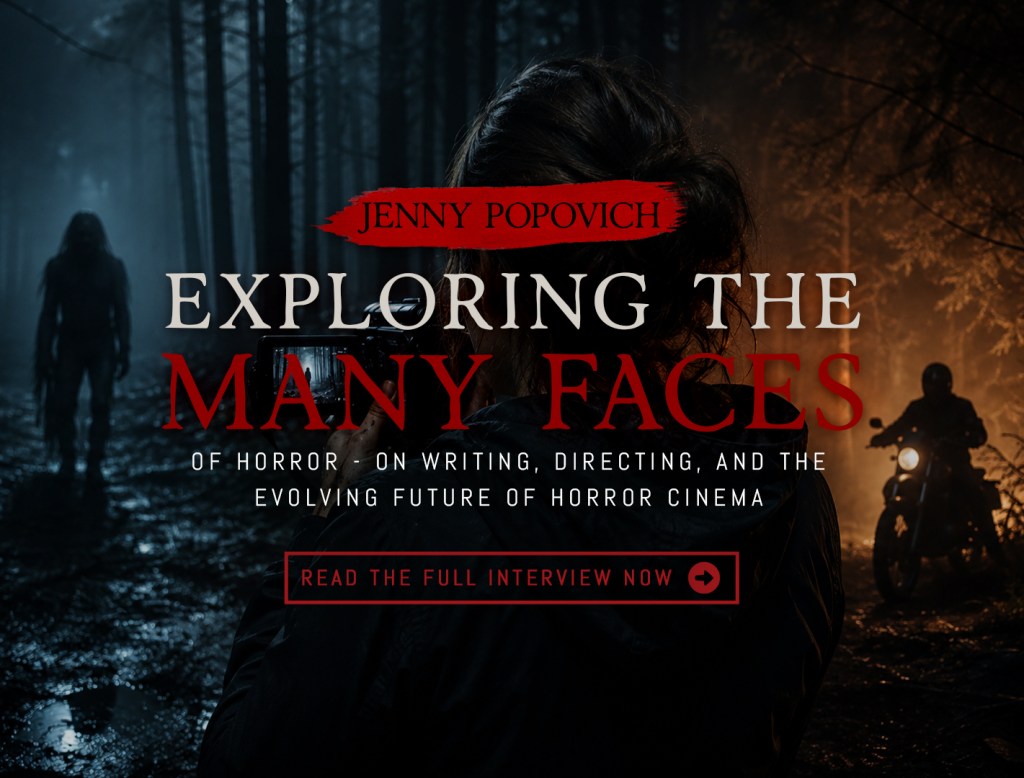
Horror has always evolved alongside the fears of its time, adapting ancient legends and anxieties into new forms for new audiences. For filmmaker and screenwriter Jenny Popovich, that evolution is at the heart of her creative work. Drawing inspiration from folklore, psychological unease, and contemporary concerns surrounding technology, Popovich explores horror from multiple angles—ranging from visceral slasher thrills to quiet, unsettling psychological dread.
With projects such as Head(less) and Not There, she demonstrates a fascination with both the spectacle of traditional horror and the lingering power of ambiguity. In this conversation with Sinister Magazine, Popovich discusses folklore in the digital age, the challenges of writing psychological horror, and how she envisions the genre continuing to transform in an increasingly interconnected world.
You mentioned that you are currently developing two horror films that approach the genre from completely different directions. What initially drew you to exploring these two extremes of horror — the aggressive, visceral slasher and the quiet psychological disturbance — within your work as a writer and emerging director?
Growing up, I was drawn to horror films that were bold and in-your-face. I still love that kind of horror because it’s a lot of fun and can be incredibly entertaining for an audience. But sometimes that style doesn’t always stick with you. The audience forgets about it a few hours after watching. Psychological horror, on the other hand, tends to linger. I also think psychological horror asks more of the audience because it requires them to piece things together themselves, almost like solving a mystery. Head(less) is definitely more fun, more direct, and relies on exposition, while Not There is the opposite. I wanted to write something where the audience slowly tries to figure out what’s happening rather than being handed all the information. Both were challenging pieces to write, but Not There was even more challenging because I did not want to rely on an explanation of what is happening in the piece.
Your screenplay Head(less) combines elements of folklore, urban legend, and found-footage aesthetics. What fascinates you about the way folklore evolves in the modern media landscape, and how does that idea shape the narrative and visual approach you envision for the film?
Folklore has always fascinated me because there is always some truth to these stories. What interests me is how folklore evolves alongside technology. Stories that once spread through word of mouth now travel through videos, forums, and social media, which almost creates a new form of modern folklore and a new audience.
Using a found-footage style makes the legend feel more real. The main character is also trying to use AI to complete her dissertation, but of course it goes awry. Combining the found-footage approach with her AI experiment grounds the narrative in the modern world, making it feel more immediate. It’s a warning about relying solely on AI to do your work, a modern form of folklore, since many traditional folklore stories are themselves cautionary tales. The visual approach in this piece is meant to feel like it could be evidence of something that happened, rather than relying on the safety net of a traditional narrative.
Slasher films have historically thrived on spectacle, tension, and memorable antagonists. When writing Head(less), how do you balance honoring those classic genre elements while still bringing something contemporary and personal to the story?
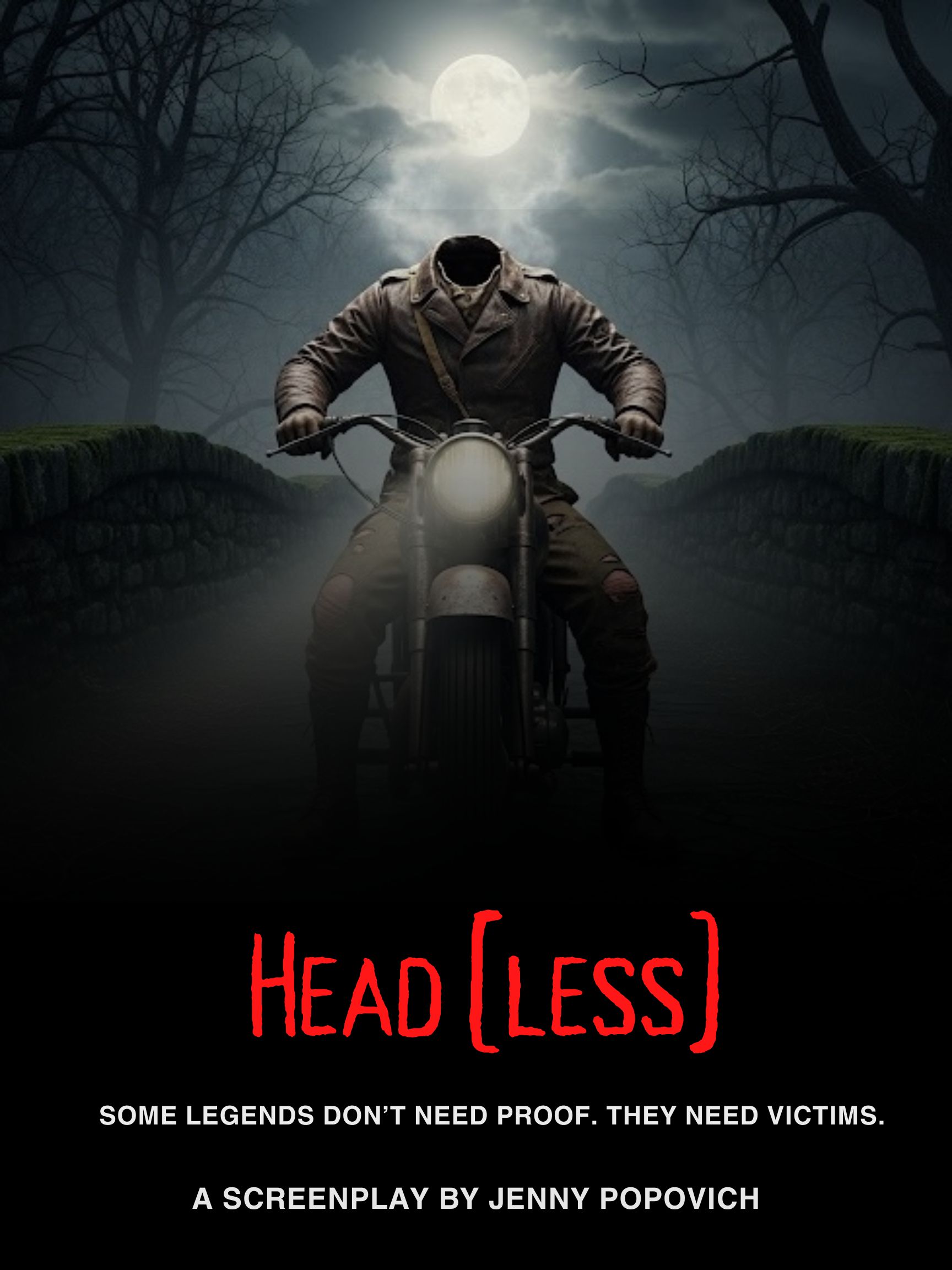
The headless motorcyclist in Head(less) functions like classic slasher icons such as Michael Myers or Jason, but with a twist. The headless motorcyclist’s weapon isn’t a knife or machete, but something unexpected. Often in slasher films, the antagonist’s weapon is tangible, but I wanted to explore the idea of a weapon we cannot see, something like a force of nature. Being sucked into a black hole is an irrational fear of mine, and I thought it would be interesting for the antagonist to claim his victims like this. This approach lets the film honor the tension and spectacle of classic slashers while bringing a contemporary and unique approach to killing victims.
In contrast, Not There seems to rely on subtle disruptions of reality rather than explicit horror. What kinds of everyday disturbances or psychological cues do you believe are most effective at creating a sense of unease in this quieter style of horror storytelling?
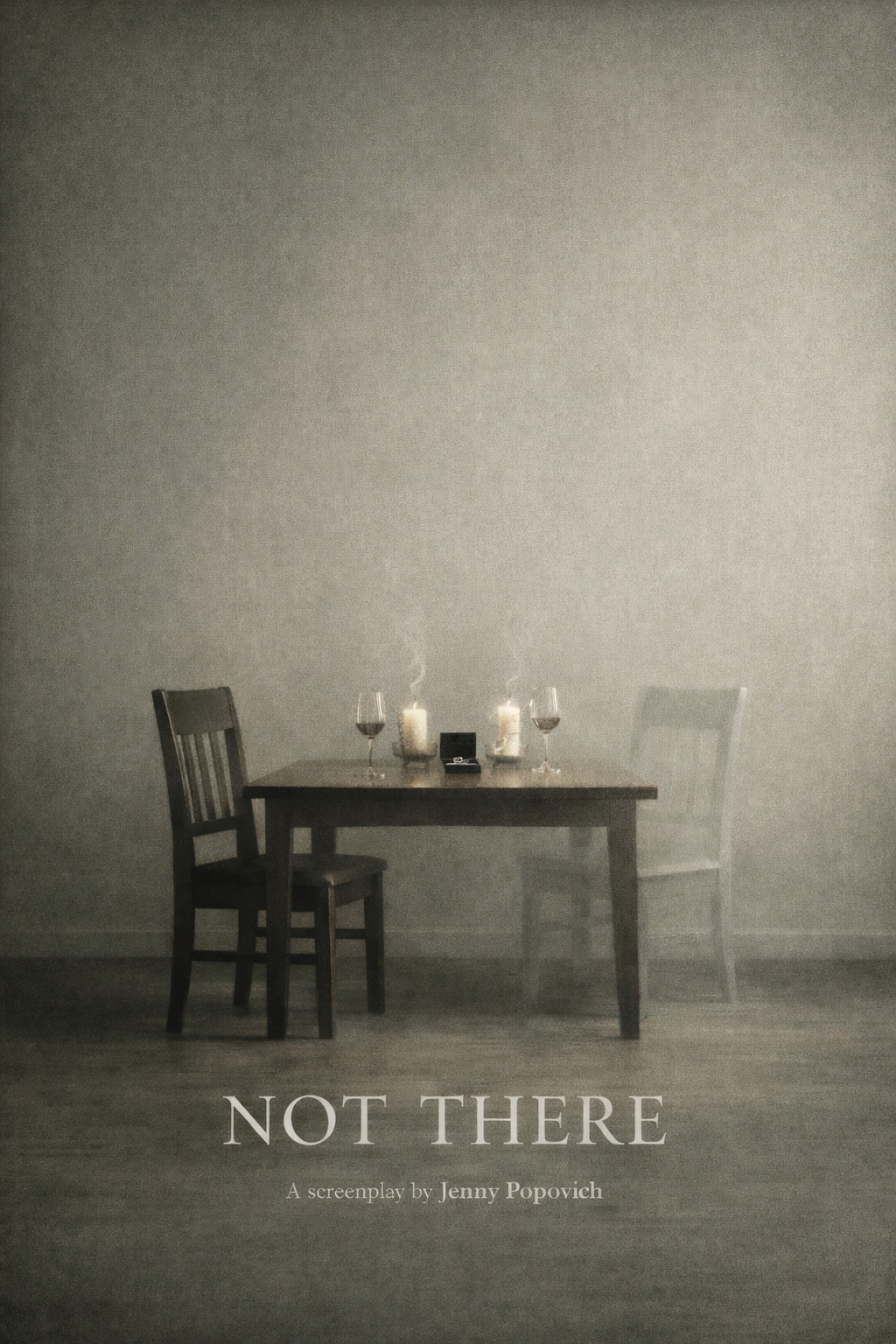
The everyday disturbances that create a sense of unease are moments when things seem almost normal, but somewhat off. For instance, when a character notices that something small has changed, like an object being in a different spot than usual, it can be unsettling for the audience. Experiences such as déjà vu or uncertainty about memory create tension because not being able to trust one’s memory makes one not in control of the situation. That loss of control is often what makes horror frightening. When a character realizes they no longer fully understand what is happening to them, they are left in a state of uncertainty about their future, which creates suspense and fear.
Many filmmakers tend to gravitate toward one particular tone or subgenre within horror. What motivates your interest in exploring such different tonal territories, and how do these projects reflect the broader creative identity you are developing as a filmmaker?
I tend to gravitate toward films with fast pacing, expansive storytelling, and clear answers for the audience. For this project, however, I chose to explore a different tonal territory because I wanted to challenge myself by creating a slow-burn piece that allows the audience to discover and uncover the story.
As I’ve gotten older, the types of films I enjoy have changed. I find myself enjoying more slow-burn films, even though they are more difficult to create while still keeping an audience engaged. I plan on shooting this film, and I’m genuinely excited about it. I enjoy the challenge of working with different genres and tones in filmmaking. I believe that as I continue to grow as a filmmaker, the types of stories I will want to tell will change and adapt.
However, I believe one aspect of my creative identity that will never fade is the emotional depth and heart that I bring to most of my films. This aspect of my films reflects who I am and will always be present in the stories I choose to tell.
As you move from writing into directing, how do you imagine translating these two very different approaches to horror into visual language, atmosphere, and pacing on screen?
If Head(less) were made into a film, it would have a fast-paced performance style, long monologues about folklore, and would mostly use handheld camera movement to make it feel like a found-footage film. Many found-footage films today have a cinematic look, but I would want Head(less) to feel like an authentic found-footage film. The more a found-footage film feels and looks like real found footage, the more frightening it is. The visual style would have minimal lighting setups and no polished editing. However, the sound design would need to be crafted to create the feeling that the characters are deep in the woods and are being hunted by an unstoppable force.
Not There, on the other hand, will be classically designed visually. It will feature a mix of color temperatures and will not use handheld camera movement. The camera language would rely on slow dolly push-ins, push-outs, and possibly some tracking, though most of the shots will remain static. The sound design will need to be crafted in a way that creates uneasiness but remains restrained. In terms of editing, the pacing will be slow, allowing a sense of dread to build and giving the audience time to feel that something is wrong.
Finally, horror has always been a genre that reflects cultural anxieties and evolving storytelling methods. From your perspective, how do you see the genre continuing to transform, especially in an era where folklore, media, and digital storytelling constantly intersect?
I think folklore, media, and digital storytelling will converge more because horror often reflects the fears of its time. Right now, AI is creating anxiety in our culture, especially in film, because many people worry it could replace jobs and become too powerful. Traditional folklore relies on archetypes like ghosts, curses, and monsters, and while those will continue to evolve in digital spaces, I think AI could become a new kind of “evil” that horror explores.
Horror is also becoming more immersive and immediate, often using formats people use every day, like phones and cameras, which can blur the line between fiction and reality. Folklore functions as a cautionary tale, and I don’t think that will ever disappear. Instead, it will become more modern as filmmakers continue experimenting with new storytelling methods.
EPILOGUE
From ancient folklore to artificial intelligence, Jenny Popovich’s work demonstrates how horror continues to reinvent itself while remaining rooted in timeless human fears. Whether exploring the explosive energy of a modern slasher or the lingering uncertainty of psychological horror, her stories seek to challenge audiences and leave a lasting emotional impact.
To follow Jenny Popovich’s future projects and creative journey, stay connected through her official channels and keep an eye on Sinister Magazine for more conversations with the filmmakers shaping the future of horror.
 sinisterfilmfest.com
Leave a comment